Reviewed by the HyaluFlow Health Editorial Team | Published: June 17, 2026 | Last Updated: August 25, 2026
Scalp buildup can happen when oil, dead skin cells, styling products, and dry shampoo accumulate between washes. While cleaning the scalp can improve comfort and remove residue, there is no good evidence that a “scalp detox” directly increases hair growth or reverses hair loss.
- Scalp buildup can include excess oil, dead skin, product residue, and dry shampoo.
- Regular shampoo and water can remove most everyday scalp and product buildup.
- Salicylic acid can help loosen scales and treat some scalp conditions, but it is not a proven hair-growth treatment.
- Over-exfoliating can irritate the scalp and make dryness or flaking worse.
- Persistent itching, redness, heavy scaling, or hair loss may require a dermatologist’s evaluation.
What Causes Scalp Buildup?
Scalp buildup is not usually a single substance blocking a follicle. Oil, dead skin, styling products, dry shampoo, and environmental debris can collect on the scalp, particularly when cleansing is infrequent.
The American Academy of Dermatology recommends applying shampoo mainly to the scalp because this helps wash away built-up products, dead skin, and excess oil without unnecessarily drying the hair lengths. American Academy of Dermatology: Tips for Healthy Hair
Can Scalp Buildup Cause Hair Loss?
Ordinary product buildup is not established as a direct cause of permanent hair loss or follicle miniaturization. Hair thinning has many possible causes, including hereditary hair loss, inflammatory scalp disorders, hormonal changes, medications, and nutritional problems.
However, leaving dry shampoo or other products on the scalp for prolonged periods can contribute to irritation, breakage, or shedding in some people. Regular washing with shampoo and water remains important for scalp hygiene. American Academy of Dermatology: Dry Shampoo Tips
How to Remove Scalp Buildup
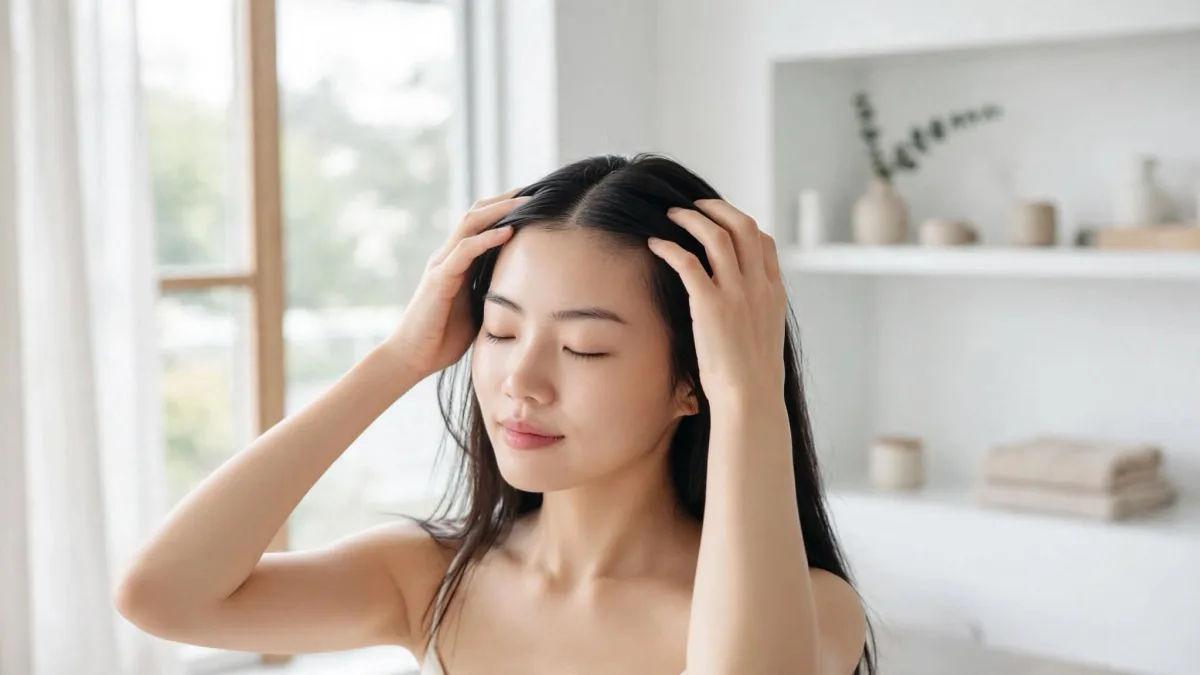
Start with a shampoo appropriate for your scalp and hair type. Massage the cleanser gently into the scalp with your fingertips, rinse thoroughly, and avoid aggressive scratching with nails or abrasive tools.
If you regularly use gels, sprays, oils, or dry shampoo, occasional use of a clarifying shampoo may help remove stubborn residue. How often you need it depends on your products, scalp oiliness, hair texture, and how frequently you wash.
Does Salicylic Acid Help Scalp Buildup?
Salicylic acid is a keratolytic ingredient that helps loosen and remove excess scale from the skin. It is commonly included in products designed for dandruff and other flaky scalp conditions.
Clinical research has found salicylic-acid-containing shampoos can improve symptoms of dandruff and seborrheic dermatitis, but these results should not be interpreted as proof that salicylic acid stimulates hair growth. Randomized Clinical Trial of Salicylic Acid Shampoo for Dandruff
The American Academy of Dermatology also lists salicylic acid among active ingredients that may help treat dandruff. American Academy of Dermatology: How to Treat Dandruff
What the Science Says About “Scalp Detox”
“Scalp detox” is mainly a beauty and marketing term rather than a recognized medical treatment. There is no established detox process that removes toxins from hair follicles or reliably increases hair density.
What does have evidence is treating specific scalp problems. For example, a 2025 study found improvement in dandruff, itching, redness, and greasiness among people with seborrheic dermatitis using a salicylic-acid-containing treatment, although this was treatment of a scalp condition rather than proof of increased hair growth. Journal of Cosmetic Dermatology: Salicylic Acid and Seborrheic Dermatitis
Common Myths About Scalp Detox
Myth: Buildup suffocates the follicles. Hair follicles are living structures within the skin, and ordinary styling residue does not literally suffocate them. Persistent inflammation or a scalp disorder is a different issue.
Myth: Scrubbing harder cleans the scalp better. Not necessarily. Aggressive scratching or abrasive scrubs can irritate the scalp and damage fragile hair.
Myth: A scalp detox will make hair grow faster. There is no strong clinical evidence that detox treatments directly increase hair-growth speed. Cleaning the scalp is useful for hygiene and managing certain conditions, not a guaranteed hair-growth treatment.
Who Should Pay Attention?
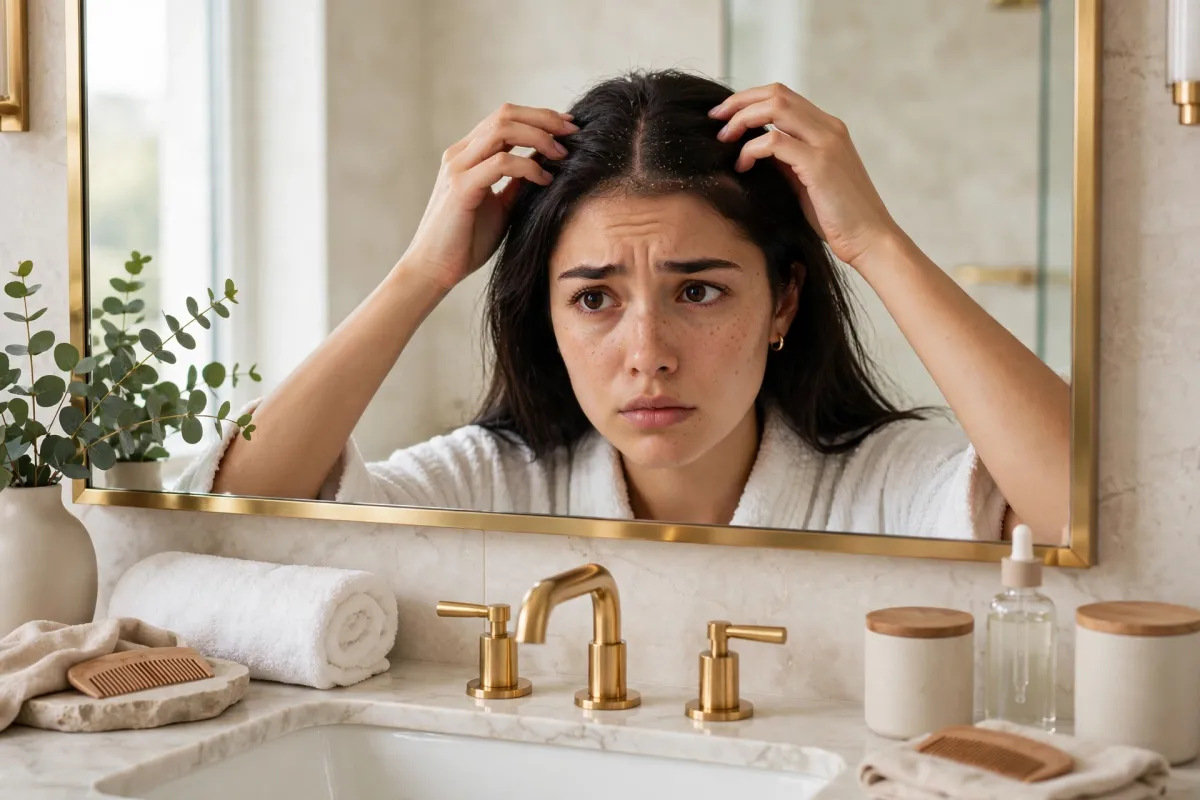
Consider professional advice if scalp buildup is accompanied by persistent itching, burning, redness, thick scales, sores, or noticeable hair shedding. These symptoms can occur with conditions such as dandruff, seborrheic dermatitis, psoriasis, eczema, or other scalp disorders.
If regular cleansing does not improve persistent flaking or irritation, a dermatologist can identify the underlying condition and recommend an appropriate treatment. American Academy of Dermatology: Dry Scalp Conditions
Evidence Strength Summary
- Strong: Regular cleansing removes oil, dead skin, and product residue from the scalp.
- Moderate: Salicylic acid can help remove scale and manage certain flaky scalp conditions.
- Limited: “Scalp detox” treatments directly increasing hair growth or reversing hair loss.
Bottom Line
A clean scalp can support healthy hair care, but scalp buildup is not a proven cause of follicle miniaturization. Use gentle, regular cleansing and consider clarifying or medicated products when they fit your specific scalp needs.
Skip aggressive scrubbing and detox claims that promise dramatic hair growth. If buildup comes with persistent inflammation, scaling, or hair loss, treating the underlying scalp condition is more important than simply exfoliating more often.