Reviewed by the HyaluFlow Health Editorial Team | Published: May 28, 2026 | Last Updated: August 20, 2026
Your hair routine starts before shampoo reaches your strands. A clean, comfortable scalp can support healthier hair care, but expensive oils, scrubs, and serums are not automatically better.
Quick Answer:
Yes, good scalp care can help maintain a healthy scalp environment and reduce problems such as excess oil, dandruff, irritation, and product buildup. However, scalp care alone cannot treat every cause of thinning or hair loss.
The American Academy of Dermatology recommends gentle scalp and hair care because damaged hair is more vulnerable to breakage. American Academy of Dermatology, Everyday Scalp Care
Key Takeaways
- Cleanse your scalp according to its oiliness and buildup.
- Scalp exfoliation may help selected scalp conditions but is not mandatory.
- Rosemary oil has limited clinical evidence for androgenetic hair loss.
- Topical caffeine is promising but still needs stronger research.
- Biotin is unlikely to help healthy people without deficiency.
- Persistent thinning or shedding deserves a medical evaluation.
1. Start With the Right Scalp Cleanser
There is no need to avoid every sulfate or chase a luxury shampoo. The better goal is effective cleansing without excessive irritation or mechanical damage.
Dermatologists recommend choosing a gentle shampoo and conditioning the hair after washing to reduce breakage. American Academy of Dermatology, Hair Loss: Tips for Managing
2. Control Scalp Buildup Without Over-Exfoliating
Oil, dead skin cells, styling products, and flakes can accumulate on the scalp. If you have dandruff or another scalp condition, an appropriate medicated shampoo may be more useful than repeatedly scrubbing the scalp.
Over-exfoliation can irritate the scalp, so salicylic acid or other exfoliating ingredients should be used according to the product directions and your scalp's needs.
3. Can Rosemary Oil Help Hair Growth?
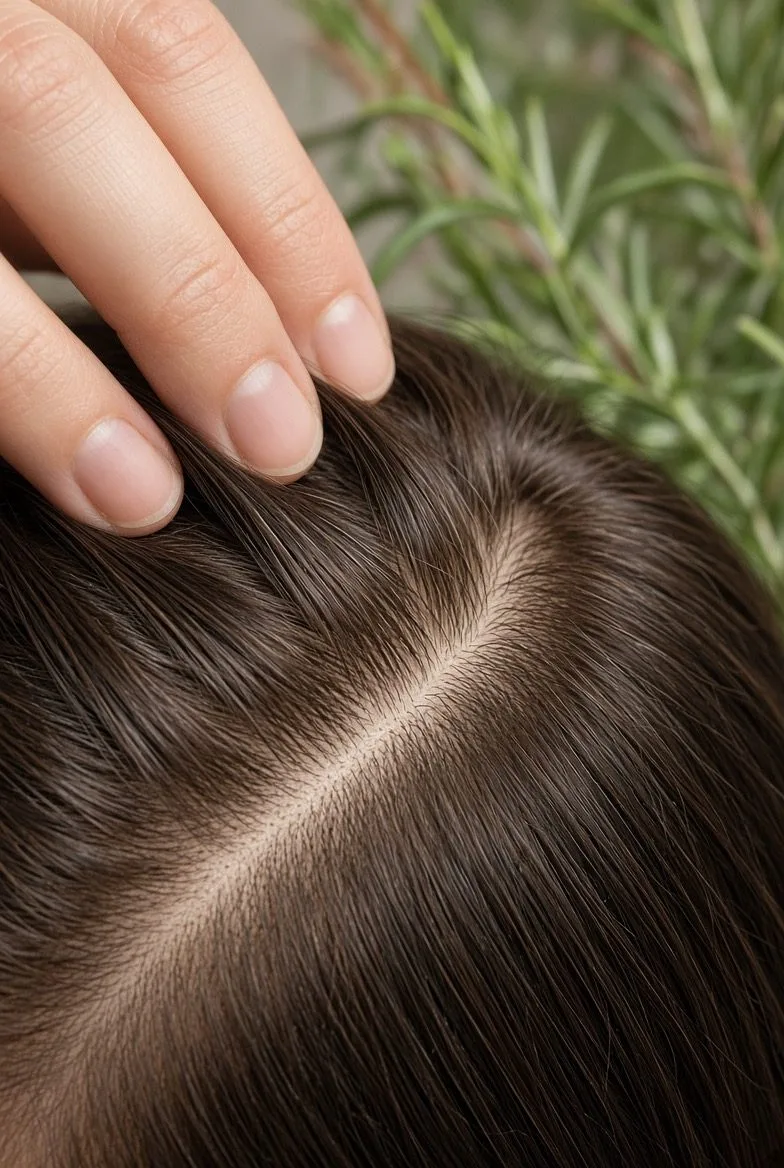
Rosemary oil is one of the more interesting botanical ingredients for hair loss, but the evidence is still limited. In a randomized six-month trial involving people with androgenetic alopecia, rosemary oil and 2% minoxidil both showed increased hair counts at six months, with no significant difference between groups.
That single study does not prove rosemary oil is equivalent to established hair-loss treatment for everyone. Panahi et al., Skinmed, 2015
4. What About Caffeine and Scalp Serums?
Topical caffeine is another popular ingredient in hair-growth products. A 2025 systematic review identified nine human clinical trials, but most had low or very low-quality evidence and important design limitations.
Caffeine may be worth researching further, but today's evidence does not justify promising guaranteed regrowth from an over-the-counter serum. Szendzielorz & Spiewak, Healthcare, 2025
5. Does Scalp Massage Make Hair Thicker?
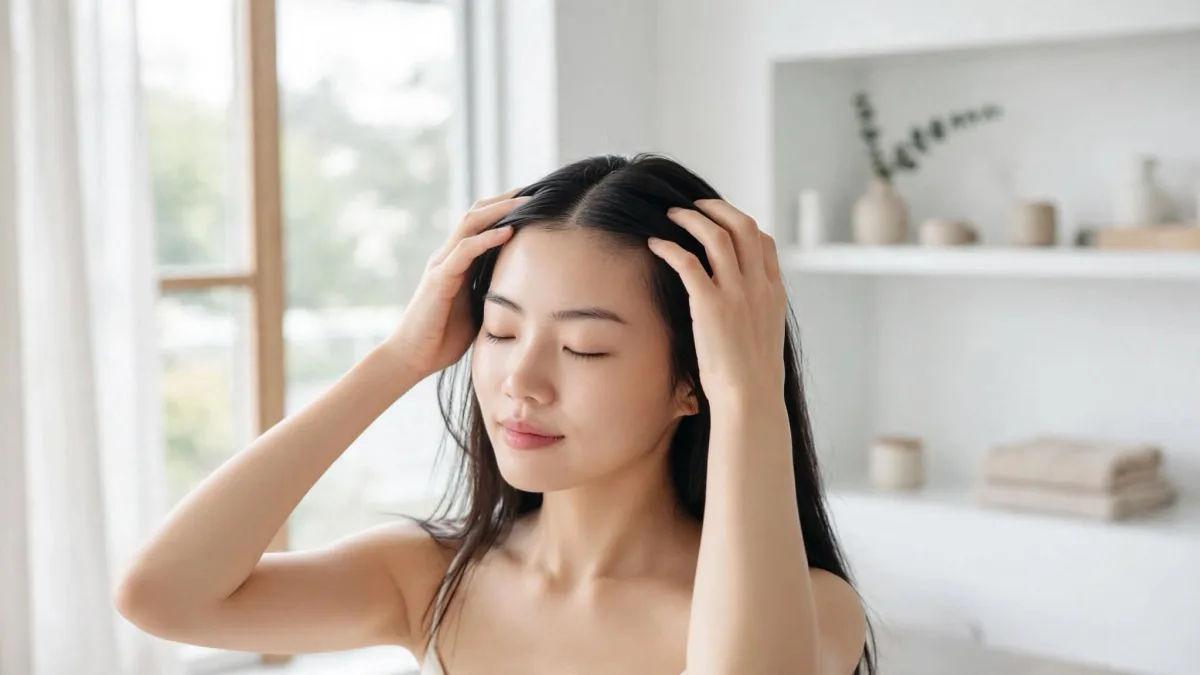
Scalp massage has some intriguing early evidence. In a small study, nine men performed standardized scalp massage for four minutes daily for 24 weeks, and average hair thickness increased, although the study was small and did not establish that massage prevents hair loss.
Think of massage as a low-risk grooming habit rather than a proven hair-regrowth treatment. Koyama et al., Eplasty, 2016
6. Skip the Biotin Hype
Biotin is frequently marketed for thicker hair, but supplementation is not a universal solution. A review found insufficient evidence that biotin improves hair growth in healthy people without deficiency.
If hair loss is developing, finding the underlying cause is more useful than automatically taking supplements. The American Academy of Dermatology also warns that excessive amounts of certain nutrients can actually contribute to hair loss. Patel et al., Skin Appendage Disorders, 2017
Common Myths About Scalp Care
- Myth: A dirty scalp makes hair stop growing. Scalp hygiene matters, but hair loss has many possible causes.
- Myth: More scalp oil means healthier roots. Excess oil can contribute to an uncomfortable or flaky scalp.
- Myth: Every scalp needs weekly exfoliation. There is no universal requirement for scalp scrubs.
- Myth: Natural ingredients are automatically safer. Essential oils can still irritate sensitive skin or trigger reactions.
Who Should Pay Attention?
If you notice persistent shedding, a widening part, receding hairline, bald patches, scalp pain, or sudden thinning, do not rely on cosmetic scalp treatments alone.
Hair loss has many causes, including hereditary hair loss and inflammatory or medical conditions. Early evaluation can improve the chances of identifying an effective treatment. American Academy of Dermatology, Hair Loss Overview
Evidence Strength Summary
Evidence strength: Moderate for gentle scalp and hair care; limited for rosemary oil and scalp massage; low to very low for topical caffeine; insufficient for routine biotin supplementation in healthy people.
Bottom Line
Scalp care deserves a place in a smart hair routine, but it should not become a complicated ritual. Cleanse appropriately, avoid unnecessary irritation, treat scalp conditions, and be skeptical of products promising guaranteed growth.
If hair is genuinely thinning or shedding, focus less on luxury routines and more on identifying the cause. Good scalp care can support healthy-looking hair, but it is not a substitute for evidence-based treatment when hair loss is occurring.