Reviewed by the HyaluFlow Health Editorial Team | Published: June 17, 2026 | Last Updated: August 23, 2026
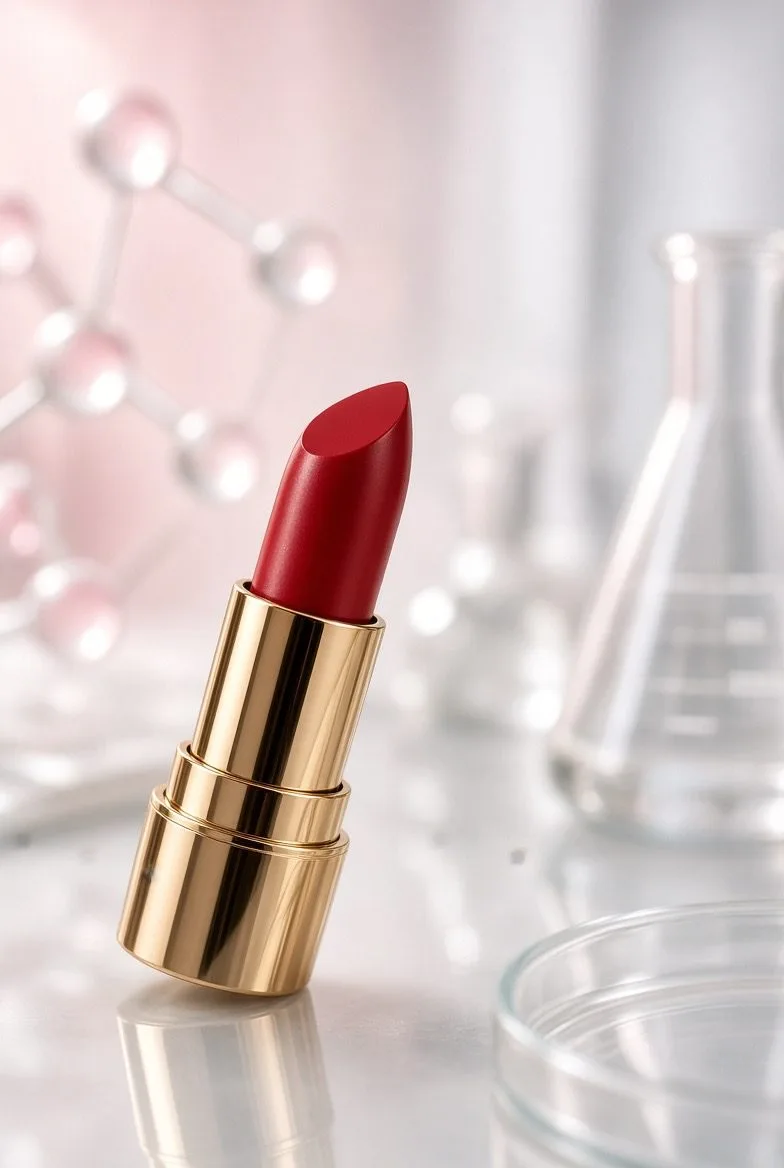
Lipstick is different from many cosmetics because it is applied directly to the lips and can be unintentionally swallowed during normal use. That makes ingredient quality and contamination worth understanding, but it does not mean conventional lipstick is automatically toxic.
Quick Answer: The biggest evidence-based concern is contamination with heavy metals such as lead, rather than a long list of inherently “toxic” lipstick ingredients. In the U.S., cosmetic color additives are regulated by the FDA, while manufacturers remain responsible for product safety.
Key Takeaways:
- Lead can occur as an impurity in cosmetic ingredients, including lip products.
- FDA surveys found lead in tested lipsticks, generally at low concentrations.
- Not every synthetic color or preservative is dangerous.
- Reading the ingredient label and buying from reputable manufacturers is more useful than relying on “chemical-free” marketing.
Why Lipstick Exposure Is Different
Because lipstick sits on the lips, some product can enter the mouth through licking, eating, drinking, or routine lip contact. The FDA specifically considers swallowing when assessing exposure to lead from cosmetic lip products.
FDA: Limiting Lead in Lipstick and Other Cosmetics reports that FDA assessed lead exposure from lip products primarily through incidental ingestion rather than skin absorption.
Lead in Lipstick: What to Know
Lead is a well-established neurotoxic metal, but its presence in lipstick is usually discussed as an impurity rather than an intentionally added cosmetic ingredient.
In FDA testing of hundreds of cosmetic products, more than 99% contained less than 10 parts per million of lead. FDA concluded that incidental exposure at or below its recommended 10 ppm level in cosmetic lip products would not pose a health risk under the assessed conditions.
FDA: Supporting Document for Recommended Maximum Lead Level in Cosmetic Lip Products explains the scientific basis for the agency's 10 ppm recommended maximum for lead as an impurity.
What About Heavy Metals?
Lead is not the only metal researchers monitor in cosmetics. FDA has also surveyed cosmetics for arsenic, cadmium, chromium, cobalt, mercury, and nickel.
These substances can occur as impurities in raw materials or pigments. However, detecting a substance does not automatically mean a cosmetic creates a meaningful health risk; concentration, exposure, absorption, and frequency all matter.
FDA: Testing Cosmetics for Arsenic, Cadmium, Chromium, Cobalt, Lead, Mercury, and Nickel describes FDA's testing and regulatory approach to these potential contaminants.
Are FD&C and D&C Colors Dangerous?
FD&C and D&C names identify regulated cosmetic color additives. Their presence on a lipstick label does not mean the product contains an unsafe “coal-tar chemical.”
FDA explains that most cosmetic color additives must be approved for their intended use, and some synthetic colors require batch certification for composition and purity.
FDA: Color Additives and Cosmetics Fact Sheet explains how approved and certified cosmetic colors are regulated in the United States.
Should You Avoid Parabens?
Parabens such as methylparaben, propylparaben, butylparaben, and ethylparaben are preservatives used to help prevent microbial growth. Their presence does not by itself prove that a lipstick is unsafe.
Claims that parabens in ordinary cosmetics are definitively harmful to human health go beyond what current FDA information establishes. If you prefer paraben-free products, check the ingredient list rather than assuming “natural” means safer.
FDA: Parabens in Cosmetics explains why parabens are used and what FDA says about their safety in cosmetics.
Common Myths About “Toxic” Lipstick
Myth: Every conventional lipstick contains dangerous toxins.
Fact: Cosmetic safety depends on the specific formulation, concentration, contamination level, and expected exposure.
Myth: All synthetic colors are unsafe.
Fact: FDA-approved cosmetic color additives can be legally used for their approved purposes when regulatory requirements are met.
Myth: “Natural” automatically means safer.
Fact: Natural ingredients can also cause irritation, allergy, or contamination. Ingredient transparency matters more than marketing language.
Who Should Pay Attention?
People who use lipstick frequently, apply multiple lip products throughout the day, or experience persistent lip irritation should pay closer attention to product ingredients and sourcing.
If a lipstick repeatedly causes burning, swelling, itching, cracking, or a rash, stop using it and consider discussing the reaction with a dermatologist. FDA also recommends paying attention to known cosmetic allergens and reading ingredient labels.
What the Science Says
The strongest evidence supports a cautious, not alarmist, approach. Lead contamination in cosmetics is a legitimate issue that regulators monitor, but available FDA testing does not support the idea that ordinary lipstick use universally exposes consumers to dangerous levels of toxic metals.
Cosmetics are also not generally required to receive FDA premarket approval, although color additives are an important exception. Manufacturers are legally responsible for ensuring their products are safe under customary conditions of use.
FDA: Cosmetic Products and Ingredients explains the U.S. regulatory framework for cosmetic safety and color additives.
Evidence Strength Summary
- Strong: Lead is toxic, and FDA monitors lead as a potential cosmetic contaminant.
- Strong: Cosmetic color additives in the U.S. are subject to specific FDA requirements.
- Moderate: Individual cosmetic formulations can vary in ingredients and contaminant levels.
- Insufficient for blanket claims: “Conventional lipstick is toxic” or “all synthetic colors are dangerous.”
Bottom Line
You do not need to panic about every lipstick ingredient. The smarter approach is to choose reputable products, check the ingredient list, avoid products that repeatedly irritate your lips, and be skeptical of fear-based “toxin-free” marketing.
For U.S. consumers, FDA information provides a better foundation for lipstick safety decisions than viral ingredient lists that treat every chemical name as a health threat.