Does Walking After Meals Lower Blood Sugar?
A short walk after eating can reduce the rise in blood sugar that follows a meal. Research suggests that moving soon after eating may be particularly useful for limiting post-meal glucose spikes.
High-performance luxury training systems and scientific weight loss frameworks.
A short walk after eating can reduce the rise in blood sugar that follows a meal. Research suggests that moving soon after eating may be particularly useful for limiting post-meal glucose spikes.
Peptides are widely promoted for muscle growth and recovery, but human evidence remains limited for many popular compounds. Creatine monohydrate has substantially stronger evidence for improving strength, training performance, and lean mass when paired with resistance training.
Recovery is not wasted time. Planned rest, sleep, and lower-intensity training help manage training stress and may support better performance, especially when exercise volume or intensity increases.
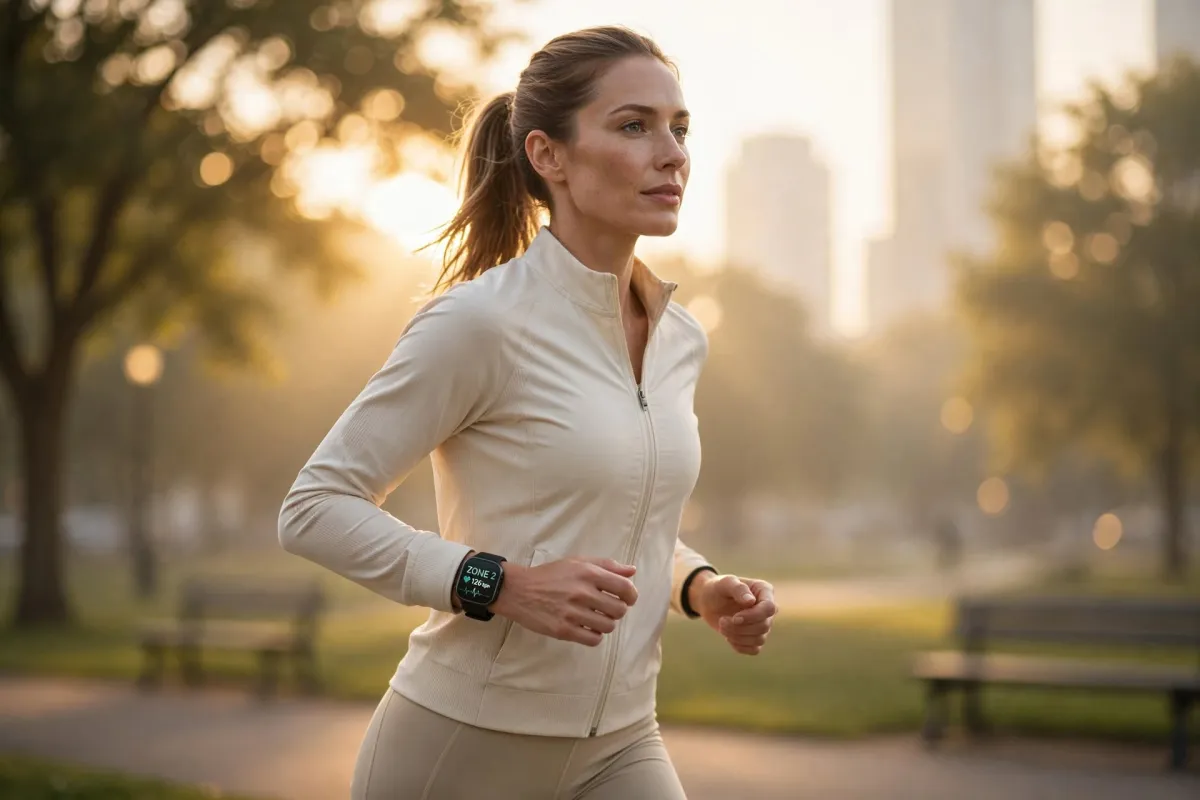
Zone 2 cardio is steady, moderate-intensity aerobic exercise that can improve endurance and cardiovascular fitness. Learn how to estimate your heart-rate range, use the talk test, and train effectively without falling for exaggerated fitness claims.
Muscle soreness that peaks two days after exercise is usually delayed onset muscle soreness (DOMS), especially after unfamiliar or eccentric training. Learn why DOMS happens, why lactic acid is not the cause, and what actually supports recovery.
Sweat does not detox your skin, but exercise can affect skin hydration, pH, oil, and acne risk. Learn how to protect your skin before, during, and after workouts.