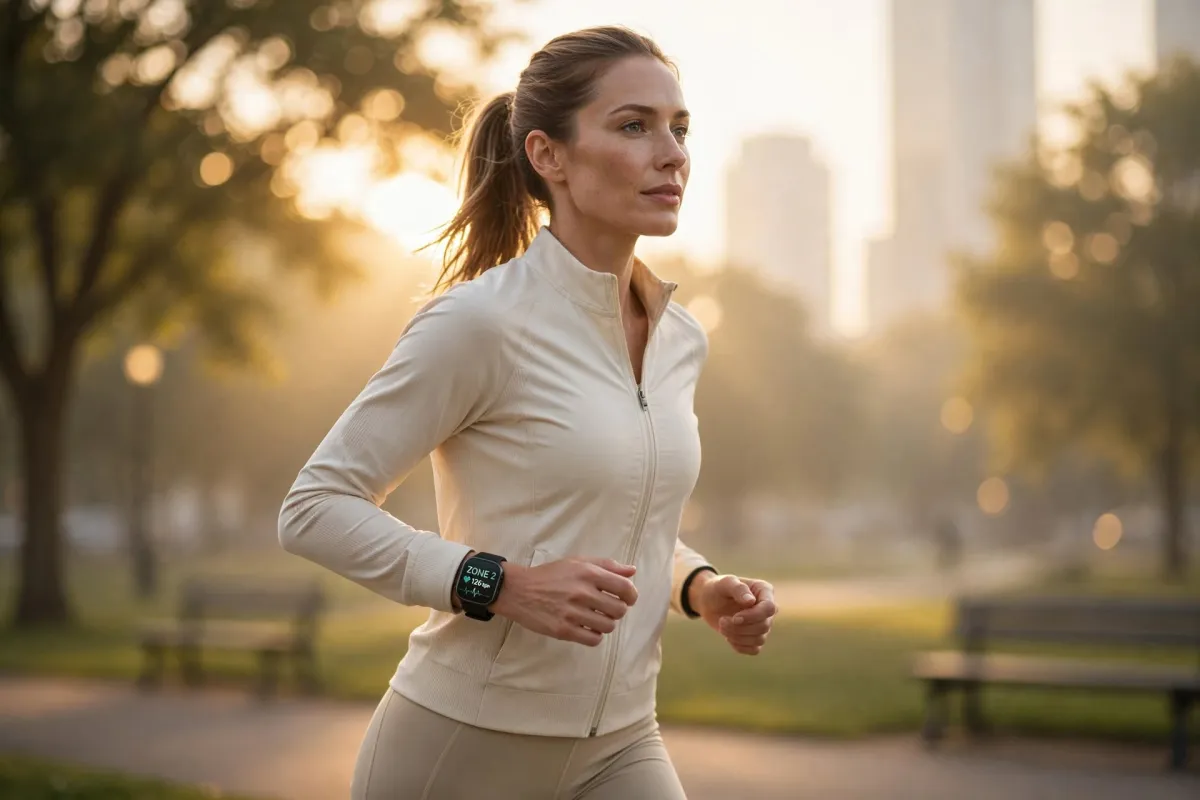

How Many Miles Is 10,000 Steps?
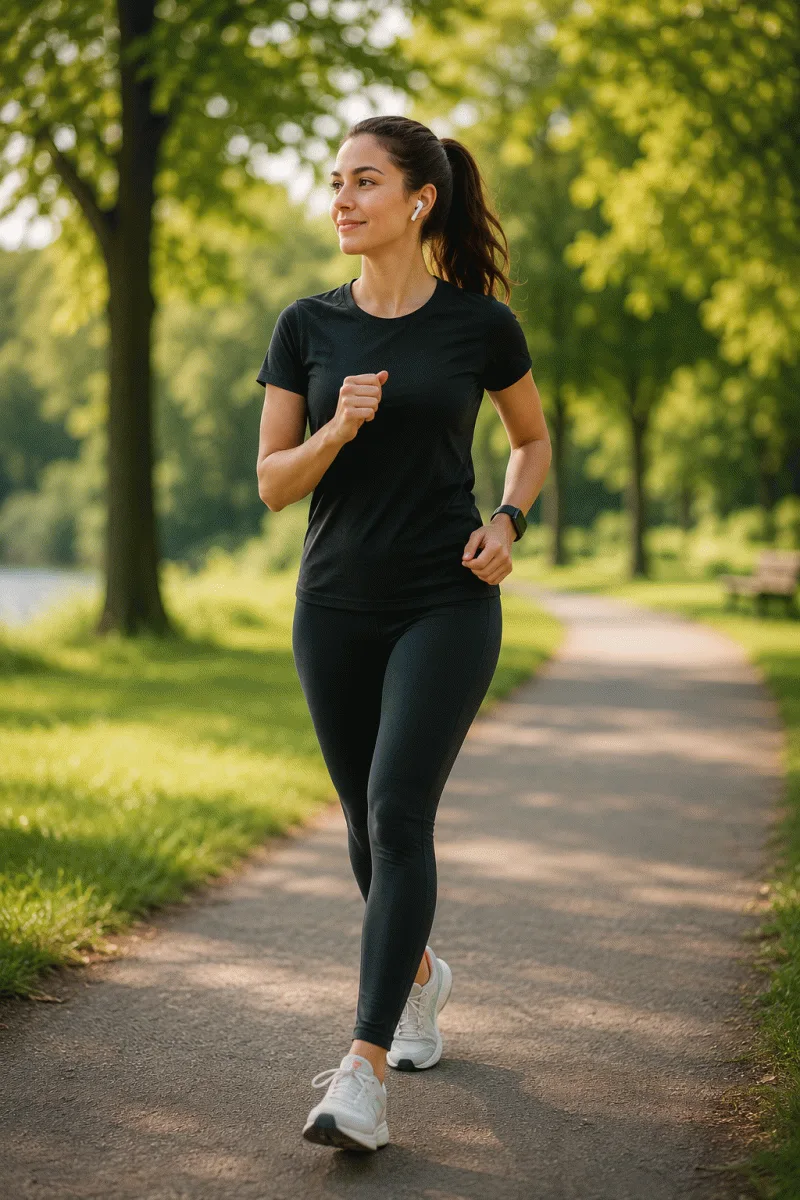
How many miles is 10,000 steps? For most people, 10,000 steps is roughly 4 to 5 miles, although the exact distance depends on stride length, height, walking pace, and other individual factors.
Senior Health & Fitness Content Writer
Waseem Akbar is a health and fitness writer with 7 years of professional experience creating evidence-based content on wellness, nutrition, exercise, weight management, preventive healthcare, and healthy living. He specializes in translating complex medical and fitness topics into clear, engaging, and practical articles that help readers make informed lifestyle choices.
How many miles is 10,000 steps? For most people, 10,000 steps is roughly 4 to 5 miles, although the exact distance depends on stride length, height, walking pace, and other individual factors.
Walking yoga combines mindful walking, yoga breathing, and gentle stretching into one low-impact workout. Research suggests it may help reduce stress, improve mood, support balance, and encourage long-term exercise adherence.
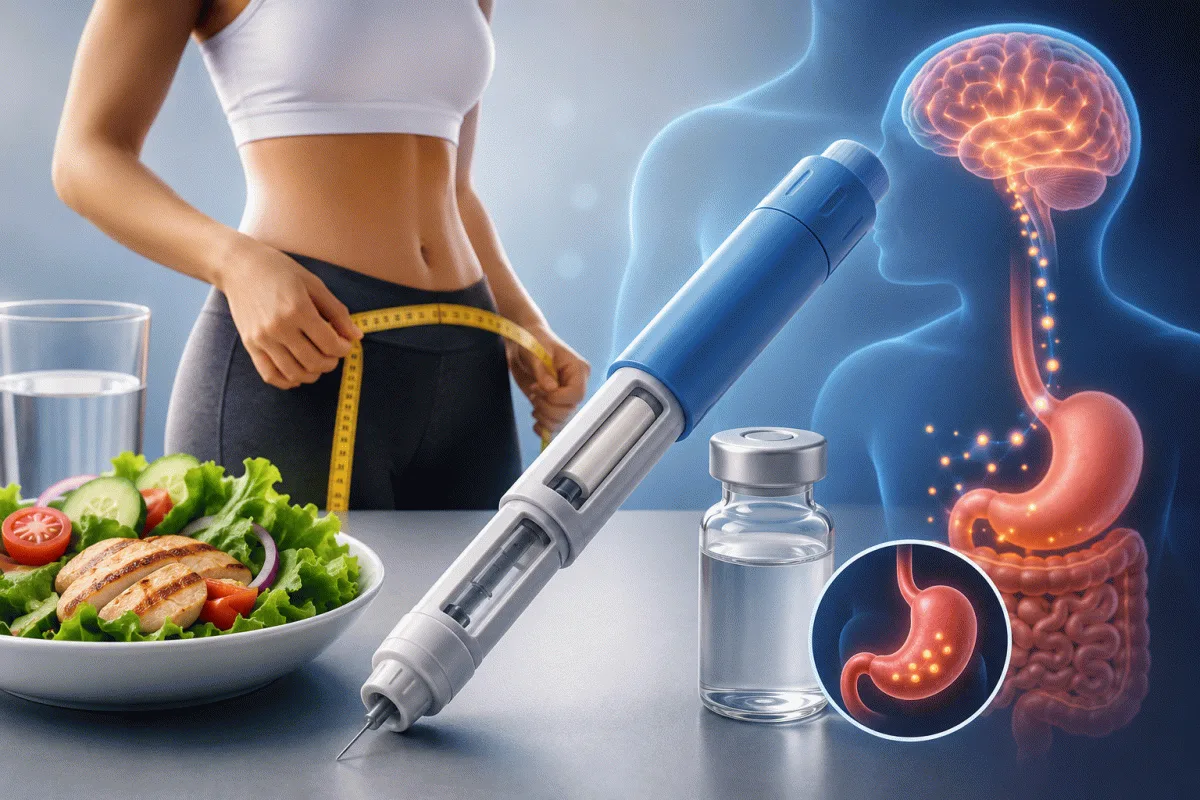
A new 60-week clinical trial found that semaglutide continued reducing calorie intake by 24% to 30% after one year, helping explain why long-term weight loss remains effective even when early appetite suppression becomes less noticeable.
Research shows that regular exercise can significantly reduce anxiety and depression symptoms. Here’s how much exercise works best, which types are most effective, and what recent studies recommend.
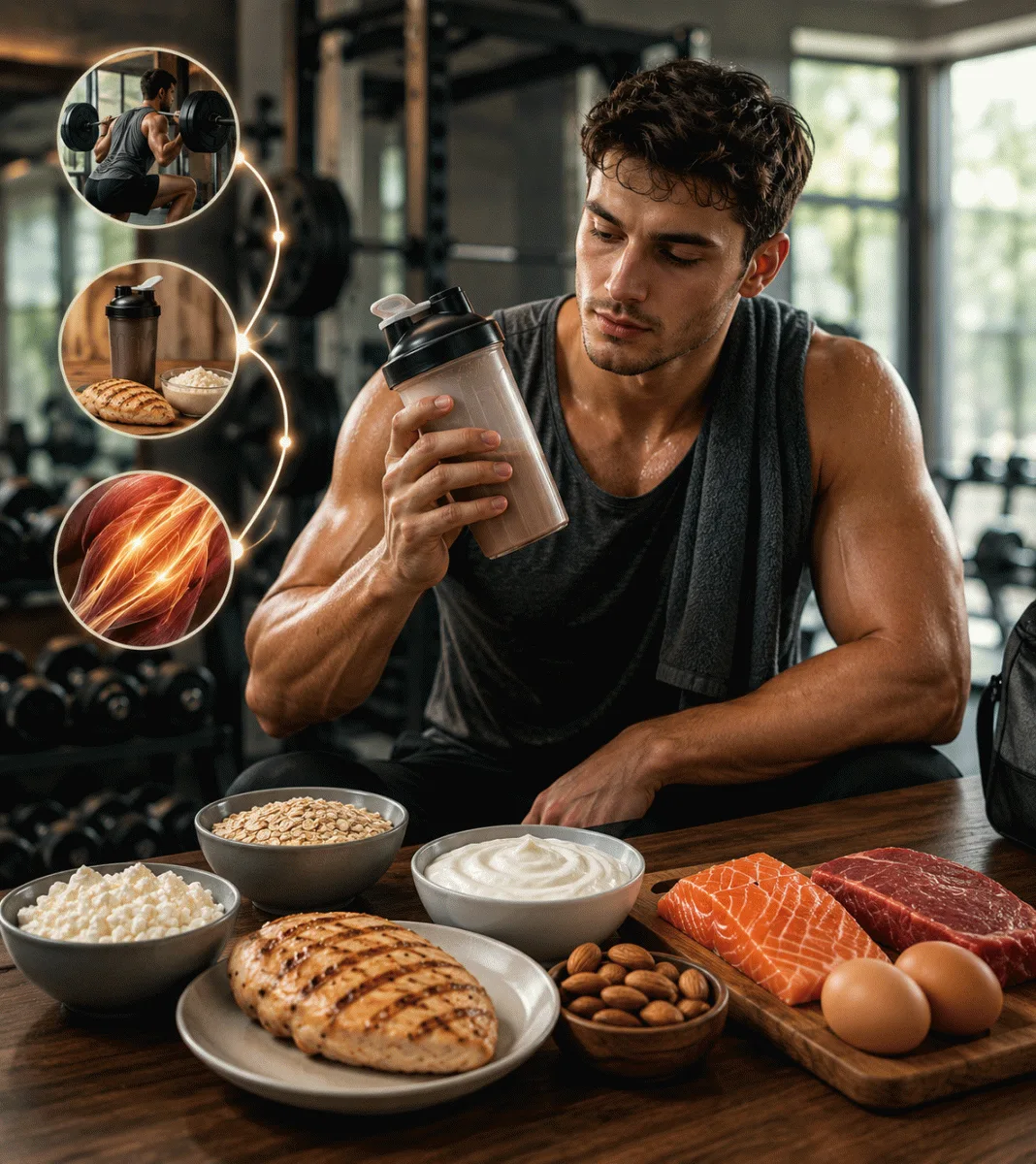
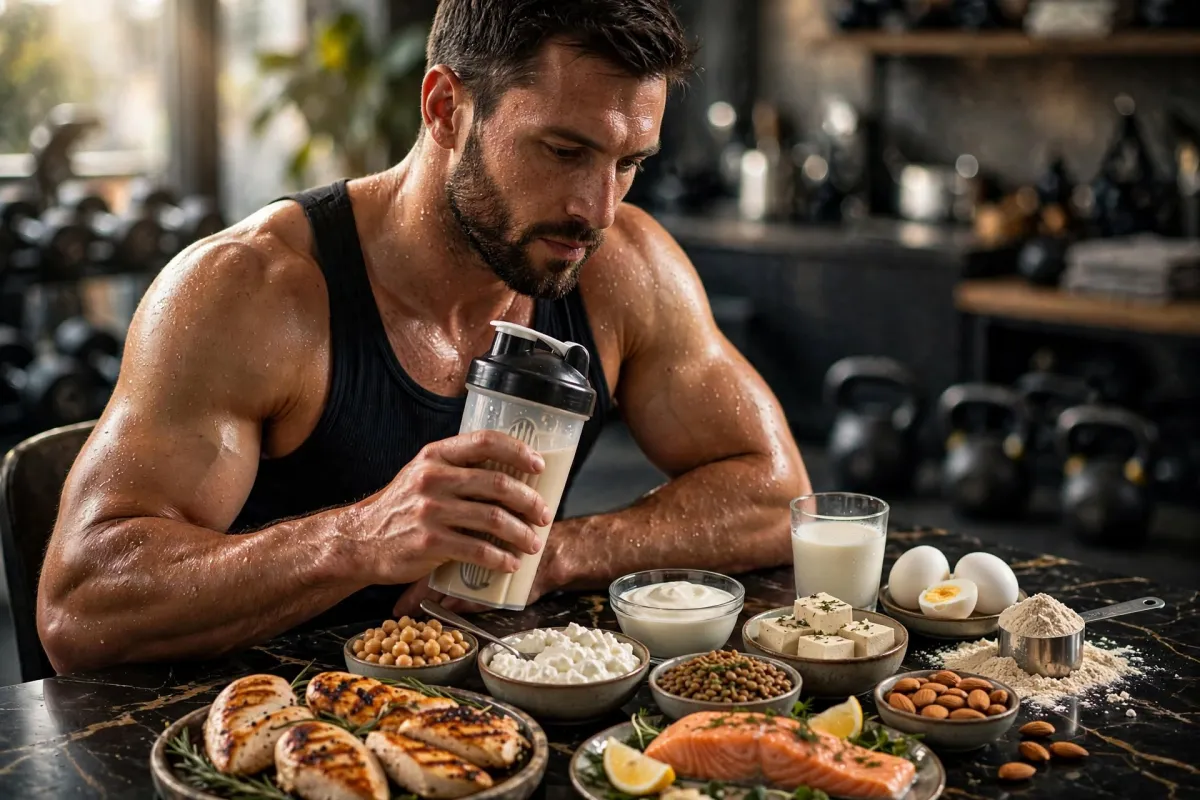
Learn whether protein timing truly affects muscle growth, what the latest research says about the anabolic window, and how to optimize protein intake for better strength and recovery.
Japanese walking is a science-backed interval walking method that may improve fitness, blood pressure, and leg strength more than regular walking. Here’s how it works, who it’s best for, and what to know before you begin.
Rapid vs. gradual weight loss remains one of the most debated topics in weight management. Recent randomized clinical trials suggest that long-term weight loss success depends less on how quickly you lose weight and more on maintenance support, adequate protein, resistance training, and sustainable lifestyle habits.
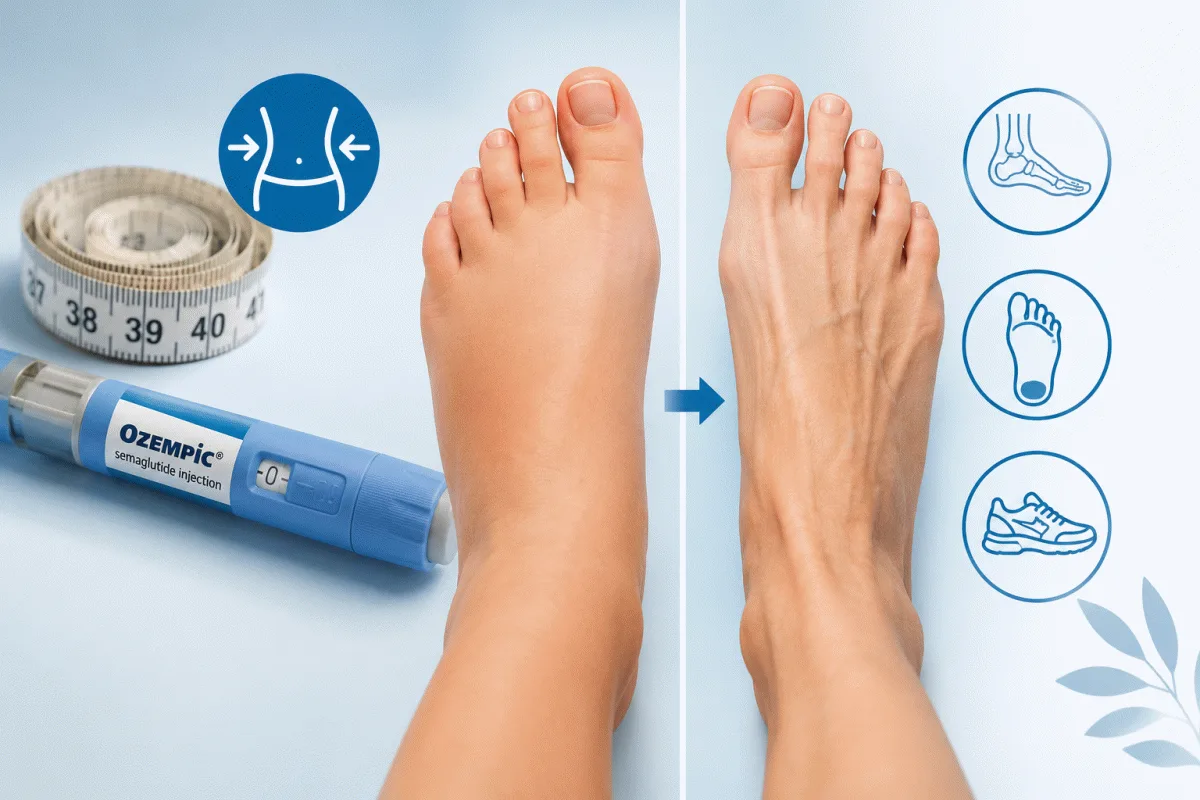
Ozempic feet is an informal term for foot changes that may occur after rapid weight loss with GLP-1 medications such as Ozempic®, Wegovy®, Mounjaro®, and Zepbound®. Learn the causes, symptoms, risk factors, prevention strategies, treatment options, and what current medical research says about protecting your foot health during weight loss.
A 30-year Harvard study reveals the strength training sweet spot: 90–120 minutes of weekly resistance training may reduce the risk of early death, heart disease, and neurological decline while supporting healthy aging.
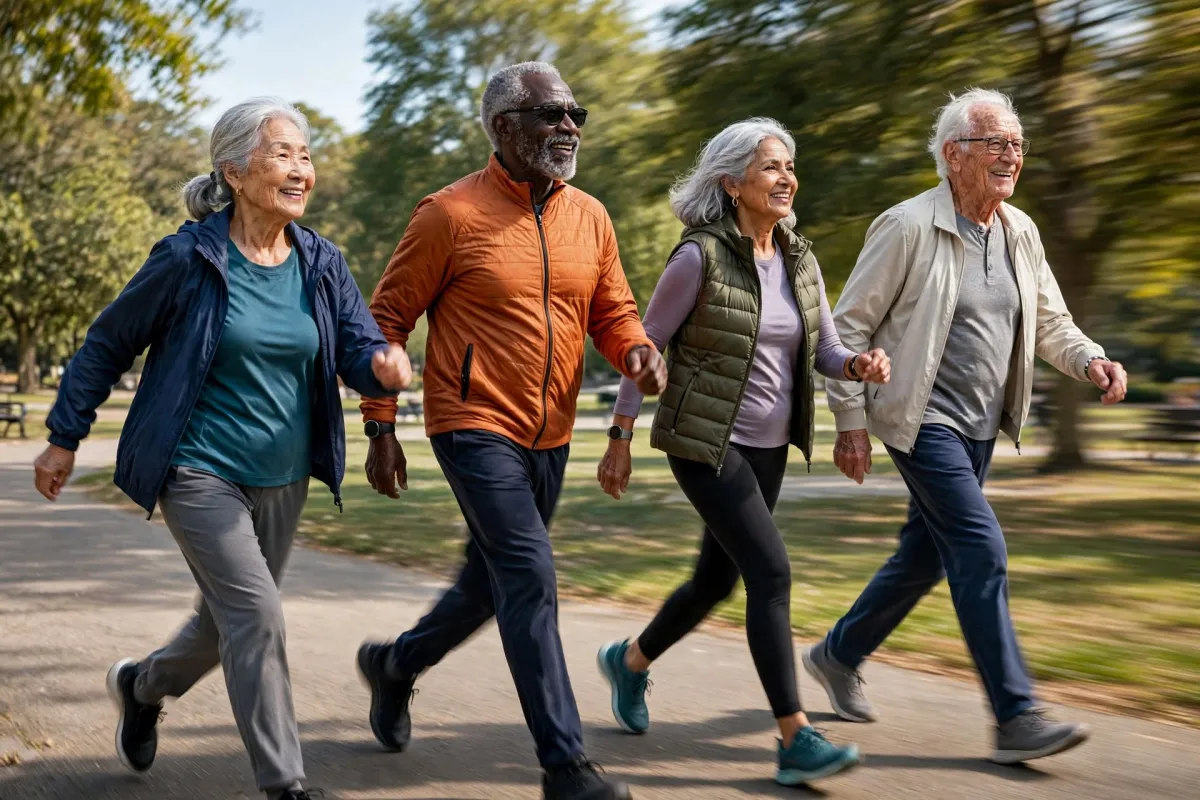
A 2025 Lancet Public Health review found substantial health benefits around 7,000 daily steps compared with very low activity. Here is what the evidence actually says about step goals, older adults, and walking.
Scientists have identified the brain circuit that triggers growth hormone release during deep sleep, offering new insight into how sleep supports muscle repair, fat metabolism, and brain function. Although the neural circuit was mapped in mice, decades of human research confirm that deep, non-REM sleep is essential for physical recovery, metabolic health, and cognitive performance.
Wondering how much protein you need to build muscle? Learn the evidence-based daily protein intake, optimal meal timing, best protein sources, and what research says about maximizing muscle growth.
A large 2026 Neurology study of nearly 4,000 adults aged 80+ found that exceptionally fast walkers—called “super movers”—had about a 50% lower risk of cognitive decline than their peers. While faster walking doesn’t necessarily prevent dementia, gait speed may serve as a simple, powerful indicator of healthy brain aging.
A major 2026 study involving more than 117,000 women found that performing at least two hours of strength training each week was associated with a 44% lower risk of heart attack and a 20% lower risk of major cardiovascular disease. While the research does not prove cause and effect, it adds to growing evidence that resistance training—especially when combined with aerobic exercise—can play an important role in protecting women’s heart health.
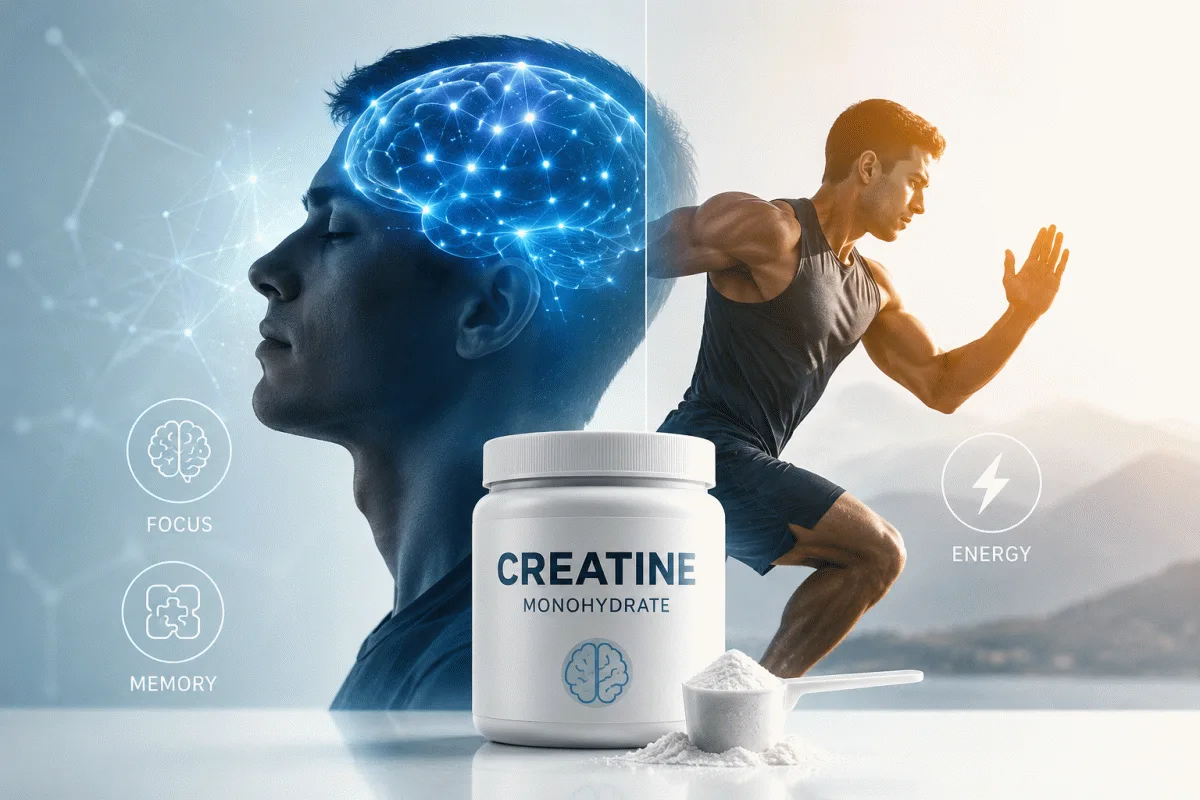
Creatine is widely known for improving exercise performance, but can it also support memory, focus, and overall brain health? Here’s what current scientific research reveals about creatine’s cognitive benefits, who may benefit most, and whether it’s worth considering beyond the gym.
Exercise remains important during semaglutide treatment, particularly for preserving muscle and supporting long-term health. Learn how resistance training, daily movement, and adequate protein can complement medication.
A short walk after eating can reduce the rise in blood sugar that follows a meal. Research suggests that moving soon after eating may be particularly useful for limiting post-meal glucose spikes.
Orthosomnia describes excessive preoccupation with getting “perfect” sleep, often driven by sleep-tracker data. Learn how wearable sleep scores can increase sleep anxiety and how to use tracking without letting numbers control your night.
Box breathing may reduce short-term anxiety and physiological stress by slowing and structuring your breathing. Here’s what the research actually shows, what the 4-second holds do, and how to practice it safely.
Walking can support weight loss, but relying on steps alone often produces smaller and less predictable results than combining movement with nutrition and sustainable habits. Here’s what the evidence says about walking, calorie balance, NEAT, step goals, and long-term weight management.
Skinification is bringing skincare ingredients into scalp and hair products, but not every trendy active has proven hair benefits. Learn what scalp science supports and which claims remain unproven.
Glass hair looks ultra-smooth and reflective, but shine does not automatically mean healthy hair. The finish can come from smoother cuticles, conditioning products, gloss treatments, or heat styling, and some methods carry a real risk of hair damage.
Skinimalism can simplify your routine, but cutting products without understanding your skin’s needs can backfire. Here’s the evidence-based minimum routine and when targeted treatments still make sense.
Peptides are widely promoted for muscle growth and recovery, but human evidence remains limited for many popular compounds. Creatine monohydrate has substantially stronger evidence for improving strength, training performance, and lean mass when paired with resistance training.
AI skin analysis can identify some visible skin features from photographs, but a selfie is not a medical diagnosis. Learn what AI skin scanners can assess, where accuracy breaks down, and when dermatologist care matters.
Your skin has a natural circadian rhythm, but skincare timing is not as important as using proven ingredients consistently. Learn which products make the most sense in the morning versus at night for skin protection, hydration, and healthy aging.
Recovery is not wasted time. Planned rest, sleep, and lower-intensity training help manage training stress and may support better performance, especially when exercise volume or intensity increases.
Your scalp has a complex community of bacteria and fungi that helps maintain scalp health. Research links microbiome changes with dandruff and other scalp conditions, but the direct effect on hair growth is still being studied.
“Cortisol face” is a social-media term, not a medical diagnosis. Chronic psychological stress can affect skin barrier function, inflammation, collagen-related processes, and visible aging, but facial puffiness cannot automatically be blamed on cortisol.
Neck skin has distinct structural and biomechanical characteristics that can make wrinkles, laxity, and photoaging more noticeable. A simple routine focused on sunscreen, moisturization, and carefully introduced retinoids can help improve its appearance.
The skin microbiome is a living community of bacteria, fungi, viruses, and other microorganisms that interacts with the skin barrier and immune system. Learn what current research says about microbiome-friendly skincare, dysbiosis, prebiotics, probiotics, and postbiotics.
Hyaluronic acid can improve skin hydration, but it does not create water. Learn how molecular weight, formulation, application, and moisturizers affect how well hyaluronic acid hydrates your skin.
Skin cycling is a four-night skincare schedule that separates exfoliation and retinoid use with recovery nights. Learn how it works, who may benefit, and what the science actually supports.
Zone 2 cardio is steady, moderate-intensity aerobic exercise that helps build endurance and improve cardiovascular fitness. Learn how to estimate your Zone 2 heart rate, use the talk test to find the right intensity, and choose activities such as brisk walking, cycling, or jogging. This beginner-friendly guide explains how to get started, how long to train, and what the evidence actually says about the benefits of Zone 2 cardio.
Muscle soreness that peaks two days after exercise is usually delayed onset muscle soreness (DOMS), especially after unfamiliar or eccentric training. Learn why DOMS happens, why lactic acid is not the cause, and what actually supports recovery.
Sweat does not detox your skin, but exercise can affect skin hydration, pH, oil, and acne risk. Learn how to protect your skin before, during, and after workouts.