Reviewed by the HyaluFlow Health Editorial Team | Published: August 30, 2026 | Last Updated: August 30, 2026
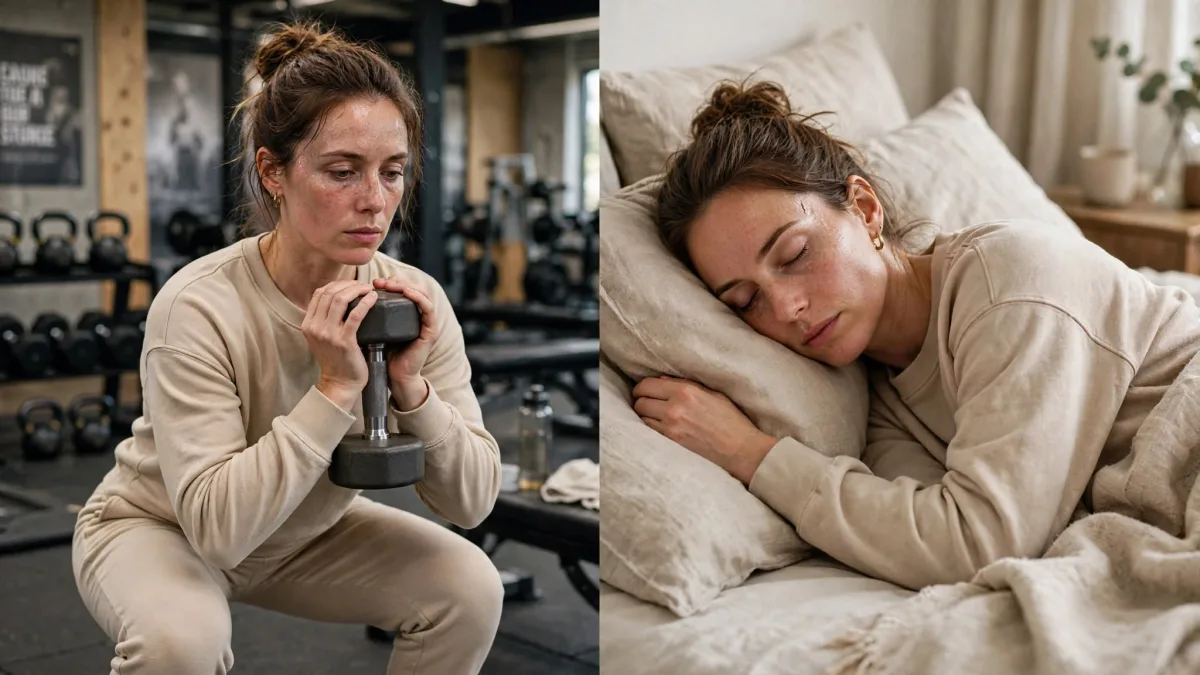
After a night without sleep, your brain can feel slower and less reliable. A McGill University study suggests that a 20-minute workout or a 90-minute nap may help protect memory after sleep loss.
Quick Answer
In a controlled study, 20 minutes of moderate-to-vigorous cycling or a 90-minute nap helped young adults perform better on a memory test after 30 hours awake. Both produced similar benefits, but appeared to work through different brain processes.
The findings were published in Proceedings of the National Academy of Sciences.
Key Takeaways
- A short aerobic workout may temporarily protect memory after acute sleep deprivation.
- A 90-minute nap produced a similar benefit in this study.
- Exercise and sleep appeared to support memory through different neural pathways.
- Neither replaces adequate nighttime sleep.
- Severe sleepiness can make driving and other safety-sensitive tasks dangerous.
What Did the Study Find?
McGill researchers studied 54 young adults ages 18 to 35 who stayed awake for 30 consecutive hours. Participants were assigned to 20 minutes of cycling, a 90-minute nap, or a control condition.
Memory performance was better after both interventions. The average image-memory hit rate was 0.46 in the control group, versus 0.56 after exercise and 0.57 after napping—roughly a 21% and 23% advantage.
McGill University's study report details the laboratory findings.
Why Might Exercise Help?
Brain recordings suggested exercise helped participants use remaining resources more efficiently when forming new memories after sleep loss.
Why Did the Nap Help?
Napping appeared to work differently. The researchers reported that sleep helped restore a brain state more favorable for taking in and remembering new information.
Can Exercise Replace Sleep?
No. The study measured a specific aspect of episodic memory after acute sleep deprivation. It did not show that exercise restores every function affected by sleep loss, including alertness, judgment, mood, physical recovery, or long-term health.
Adults should regularly get at least seven hours of sleep for optimal health, according to the American Academy of Sleep Medicine and Sleep Research Society.
What Should You Do After a Sleepless Night?
If you can sleep, prioritize sleep. If you can safely nap, allow enough time to wake fully before driving, operating equipment, or making high-stakes decisions.
If a nap is impossible and you are fit to exercise, a brief moderate aerobic session may be reasonable. Do not use exercise to push through extreme sleepiness or replace recovery night after night.
Common Myths About Sleep Deprivation
Myth: A workout fixes an all-nighter
False. The study suggests a possible short-term memory benefit, not full recovery from sleep deprivation.
Myth: A 90-minute nap is always better
Not necessarily. The study tested one specific nap duration in a controlled setting, and longer naps can leave some people temporarily groggy.
Myth: Coffee makes you safe to drive
Caffeine may increase alertness, but severe sleepiness can still impair driving. CDC/NIOSH guidance on driver fatigue notes that fatigue can slow reactions and impair decisions.
Who Should Pay Attention?
The findings are most directly relevant to young adults facing occasional acute sleep loss. They should not automatically be applied to older adults, people with sleep disorders, or people who routinely sleep too little.
If poor sleep is frequent, address the cause. Persistent insomnia, loud snoring, breathing pauses, or significant daytime sleepiness deserves medical attention.
Evidence Strength Summary
- 20-minute aerobic exercise: Promising early evidence from one controlled study.
- 90-minute nap: Promising evidence within the same study.
- Replacing sleep with exercise: Not supported.
- Chronic sleep deprivation: Not established.
Bottom Line
A 2026 McGill study found that 20 minutes of moderate-to-vigorous cycling or a 90-minute nap produced similar memory benefits after 30 hours without sleep. The interventions appeared to support memory through different neural mechanisms.
The takeaway is not that exercise beats sleep. When acute sleep loss happens, a brief workout or nap may offer limited cognitive protection, while adequate sleep remains the foundation.