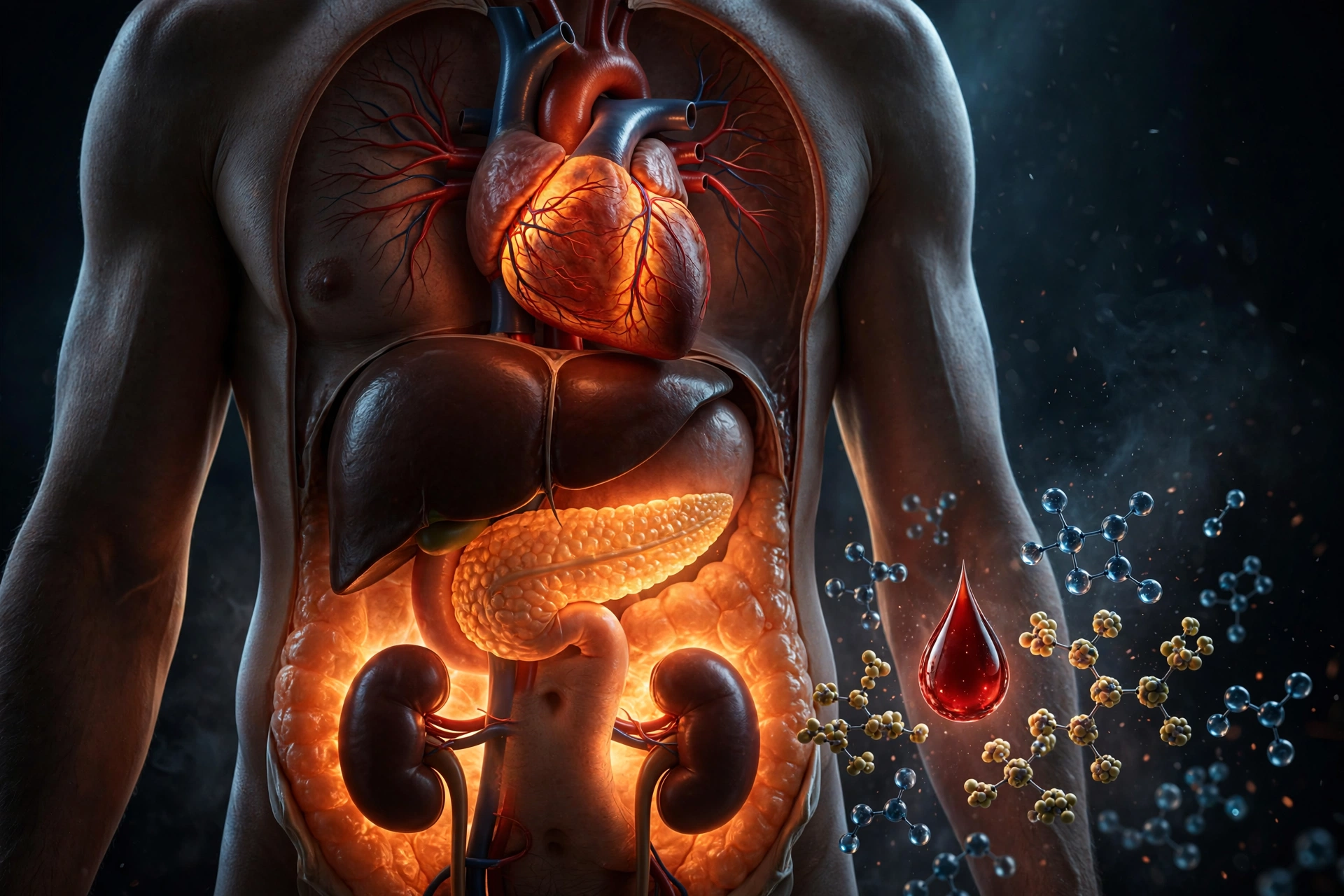
One hot afternoon can change everything. Heat stroke isn't just feeling overheated or dehydrated—it is a medical emergency that can rapidly damage the brain, heart, kidneys, and other vital organs if body temperature rises too high. Every year, extreme heat causes thousands of preventable illnesses and deaths worldwide, especially during prolonged heat waves.[1,2]
The good news is that most cases of heat stroke can be prevented. Staying hydrated, avoiding excessive heat exposure, recognizing early warning signs, and acting quickly when symptoms appear can dramatically reduce your risk. Whether you're exercising outdoors, working in the sun, traveling, or simply coping with unusually hot weather, understanding how your body responds to heat can help keep you and your family safe.
- Heat stroke is a life-threatening medical emergency requiring immediate treatment.
- Hydration, shade, cooling, and limiting heat exposure are the most effective preventive measures.
- Heat exhaustion can progress to heat stroke if not treated promptly.
- Older adults, young children, outdoor workers, athletes, and people with chronic illnesses face a higher risk.
- Early recognition and rapid cooling can significantly improve outcomes.
What Is Heat Stroke?
Heat stroke is the most severe form of heat-related illness. It develops when the body's natural cooling system becomes overwhelmed and core body temperature rises above 40°C (104°F). Normally, sweating and increased blood flow to the skin help release excess heat. During extreme temperatures, prolonged physical activity, or high humidity, these cooling mechanisms may fail, allowing dangerous internal temperatures to develop.[1,2]
Without rapid treatment, heat stroke can damage the brain, heart, kidneys, muscles, and liver. It may also lead to seizures, multiple organ failure, permanent neurological injury, or death. Because of these serious complications, heat stroke should always be treated as a medical emergency rather than a condition that can be managed at home.[1–3]
Heat Stroke vs. Heat Exhaustion
Heat exhaustion is often confused with heat stroke, but the two conditions differ significantly in severity. Recognizing the difference can help you seek treatment before a medical emergency develops.
| Heat Exhaustion | Heat Stroke |
|---|---|
| Heavy sweating | Core temperature above 40°C (104°F) |
| Cool, pale, or clammy skin | Hot skin that may be dry or sweaty |
| Weakness and fatigue | Confusion or altered mental status |
| Dizziness | Loss of consciousness |
| Nausea or vomiting | Seizures may occur |
| Usually improves with cooling and fluids | Requires immediate emergency medical treatment |
What the Science Says: Heat exhaustion is a warning sign that the body's cooling system is struggling. Without prompt cooling and hydration, it can progress to heat stroke, particularly during prolonged heat exposure or intense physical activity.[1–3]
Early Warning Signs and Symptoms of Heat Stroke
Recognizing symptoms early can save lives. Heat stroke often develops quickly, but warning signs may appear before the condition becomes critical.
- Core body temperature above 40°C (104°F)
- Confusion, irritability, or unusual behavior
- Difficulty speaking or walking
- Severe headache
- Dizziness or fainting
- Rapid heartbeat
- Nausea or vomiting
- Hot, flushed skin that may be dry or sweaty
- Rapid breathing
- Seizures or loss of consciousness in severe cases
If someone develops confusion, collapses, loses consciousness, or has a body temperature above 40°C (104°F), call emergency medical services immediately. While waiting for help, begin cooling the person using cool water, wet towels, fans, or ice packs placed on the neck, armpits, and groin if available.[1–3]
Why Heat Stroke Happens
Your body constantly works to maintain a stable internal temperature of around 37°C (98.6°F). During hot weather or physical activity, blood vessels near the skin widen and sweat evaporates to remove excess heat. However, when temperatures are extremely high, humidity limits sweat evaporation, or fluid losses become excessive, these cooling mechanisms become less effective.[1–4]
As body temperature continues to rise, proteins begin to break down, cells become damaged, and inflammation spreads throughout the body. Without rapid cooling, heat stroke can impair brain function, injure vital organs, disrupt blood clotting, and become life-threatening within a short period.[1–4]
10 Science-Backed Ways to Prevent Heat Stroke
1. Stay Hydrated Throughout the Day
Hydration is one of the most effective ways to reduce the risk of heat-related illness. Your body loses water and electrolytes through sweating, and these losses increase significantly during hot weather, exercise, or outdoor work.
Drink water regularly rather than waiting until you feel thirsty, as thirst may already indicate mild dehydration. If you're exercising for prolonged periods or working outdoors, beverages containing electrolytes may also help replace sodium and other minerals lost through sweat.[2,4]
- Carry a reusable water bottle.
- Drink fluids before, during, and after outdoor activities.
- Increase fluid intake during heat waves.
- Watch for signs of dehydration such as dark urine, dry mouth, or dizziness.
2. Avoid Outdoor Activities During Peak Heat
The hottest part of the day is typically between 11:00 AM and 4:00 PM, although temperatures may remain dangerously high into the early evening during heat waves. Whenever possible, schedule outdoor work, exercise, or recreational activities during the early morning or after sunset.
If outdoor activity cannot be avoided, take frequent breaks in shaded or air-conditioned areas and drink water regularly.[1,2]
3. Wear Lightweight, Breathable Clothing
Clothing plays an important role in regulating body temperature. Loose-fitting, lightweight fabrics improve airflow and allow sweat to evaporate more efficiently, helping the body cool naturally.
- Choose light-colored clothing that reflects sunlight.
- Wear breathable fabrics such as cotton or moisture-wicking materials.
- Use a wide-brimmed hat to protect your face and neck.
- Wear UV-protective sunglasses when outdoors.
4. Protect Your Skin from Sun Exposure
Although sunscreen does not prevent heat stroke directly, preventing sunburn helps your skin maintain its natural cooling function. Sunburn damages the skin barrier, making it more difficult for your body to regulate temperature effectively.[5]
Apply a broad-spectrum sunscreen with at least SPF 30 to exposed skin 15–30 minutes before going outdoors. Reapply every two hours or after swimming or heavy sweating according to the product instructions.
5. Stay in Cool Environments Whenever Possible
Air conditioning remains one of the most effective ways to prevent heat-related illness during extreme temperatures. If your home becomes excessively hot, consider spending time in air-conditioned public buildings such as libraries, shopping centers, or designated community cooling centers.
Electric fans may improve comfort but may not provide sufficient protection when temperatures become extremely high. Combining fans with hydration, cool showers, and air-conditioned environments offers greater protection.[1,2]
6. Eat Foods That Support Hydration
Many fruits and vegetables contain more than 90% water while also providing vitamins, minerals, and antioxidants that support overall health. Although they cannot replace drinking water, they can contribute to daily fluid intake.
| Food | Benefit During Hot Weather |
|---|---|
| Watermelon | Very high water content |
| Cucumber | Hydrating and low in calories |
| Oranges | Water, vitamin C, and potassium |
| Strawberries | Rich in water and antioxidants |
| Tomatoes | Hydration plus lycopene |
| Yogurt | Provides fluids, protein, and calcium |
| Coconut water | Contains natural electrolytes |
7. Modify Exercise and Outdoor Work During Heat Waves
High-intensity exercise significantly increases internal body temperature. During extreme heat, reduce exercise intensity, shorten workout duration, take frequent cooling breaks, and avoid pushing through symptoms such as dizziness, weakness, or nausea.
Workers performing physically demanding outdoor jobs should follow workplace heat safety recommendations, including scheduled rest breaks, access to drinking water, and shaded recovery areas.[2,6]
8. Limit Alcohol and Be Mindful of Caffeine
Alcohol increases fluid loss, impairs judgment, and reduces your body's ability to respond appropriately to heat. Heavy alcohol consumption can significantly increase the risk of dehydration during hot weather.
Moderate caffeine intake is generally safe for most healthy adults, but consuming large amounts of highly caffeinated beverages without adequate water may contribute to dehydration in some people, particularly during prolonged heat exposure. Water should remain your primary source of hydration throughout the day.[2,4]
9. Never Leave Children, Older Adults, or Pets in Parked Vehicles
Temperatures inside a parked vehicle can rise dangerously within minutes, even when the outside temperature feels moderate. Slightly opening the windows does not provide adequate protection.
Infants, young children, older adults, and pets are especially vulnerable because their bodies cannot regulate heat as efficiently. Leaving anyone unattended inside a parked vehicle can quickly become life-threatening.[1,2]
10. Learn the Early Warning Signs
The earlier heat-related illness is recognized, the easier it is to prevent progression to heat stroke. If you notice excessive fatigue, dizziness, headache, muscle cramps, nausea, heavy sweating, or unusual weakness, stop physical activity immediately, move to a cool place, begin drinking fluids if safe to do so, and cool the body before symptoms worsen.[1–3]
Who Is Most at Risk?
Although anyone can develop heat stroke, certain groups have a much higher risk because their bodies produce or lose heat differently, have underlying medical conditions, or are exposed to hot environments for longer periods.
- Older adults, especially those over 65 years of age.
- Infants and young children.
- Pregnant women.
- Outdoor workers such as construction, agriculture, and delivery personnel.
- Athletes and people exercising intensely in hot weather.
- People with heart disease, kidney disease, diabetes, or obesity.
- Individuals taking medications that affect sweating or fluid balance, including certain diuretics and antihistamines.
- People without access to air conditioning during prolonged heat waves.
What to Do If Someone Has Heat Stroke
Heat stroke is a medical emergency. Do not wait for symptoms to improve on their own.
- Call emergency medical services immediately.
- Move the person to a shaded or air-conditioned area.
- Remove unnecessary or tight clothing.
- Cool the body using cool water, wet towels, or a cool bath if available.
- Place ice packs or cold compresses on the neck, armpits, and groin.
- Fan the person continuously to increase evaporative cooling.
- Monitor breathing and level of consciousness while waiting for emergency responders.
- Do not force fluids if the person is unconscious, confused, vomiting, or unable to swallow safely.
Medical Emergency: Delaying treatment increases the risk of permanent organ damage and death. Rapid cooling before or during transport to the hospital significantly improves survival and reduces complications.[1–3]
Common Myths About Heat Stroke
Myth 1: Heat stroke only happens on extremely hot days.
Fact: High humidity, intense physical activity, poor ventilation, and prolonged sun exposure can trigger heat stroke even when temperatures are lower than expected.
Myth 2: If you're sweating, you can't have heat stroke.
Fact: Some people with heat stroke continue sweating, especially those experiencing exertional heat stroke during sports or physical work.
Myth 3: Drinking water only when you're thirsty is enough.
Fact: Thirst often develops after mild dehydration has already begun. Drinking fluids regularly is more effective during periods of extreme heat.
Myth 4: Fans alone prevent heat stroke.
Fact: Fans improve comfort but may not adequately cool the body during severe heat waves. Hydration, shade, and air conditioning remain the most effective protective measures.
What the Science Says
Health organizations including the World Health Organization (WHO), Centers for Disease Control and Prevention (CDC), and occupational safety authorities consistently identify hydration, reducing heat exposure, access to cooling, and rapid recognition of symptoms as the most effective methods for preventing heat stroke.
Research also shows that climate change is increasing the frequency, duration, and intensity of heat waves worldwide, making heat-related illness an increasingly important public health concern. Early prevention, community awareness, and protecting vulnerable populations remain essential strategies for reducing heat-related hospitalizations and deaths.[1–6]
Who Should Pay Extra Attention During Extreme Heat?
Some people are more vulnerable to heat stroke because of age, medical conditions, medications, or prolonged exposure to hot environments. If you or a family member falls into one of these groups, taking extra precautions during heat waves is especially important.
- Adults aged 65 years and older.
- Infants and children under 5 years of age.
- Pregnant women.
- People with heart disease, kidney disease, diabetes, or obesity.
- Outdoor workers, farmers, construction workers, and delivery personnel.
- Athletes and individuals participating in endurance sports.
- People taking medications that affect hydration, sweating, or body temperature regulation.
- Individuals living alone without access to air conditioning.
Simple Daily Habits That Reduce Heat Stroke Risk
Preventing heat stroke isn't just about reacting to hot weather. Small daily habits can help your body cope better with rising temperatures and reduce the likelihood of serious heat-related illness.
- Drink water consistently: Sip fluids throughout the day instead of waiting until you feel thirsty.
- Check weather forecasts: Pay attention to heat advisories and limit outdoor plans during extreme temperatures.
- Plan outdoor activities wisely: Exercise or complete outdoor work during the early morning or late evening whenever possible.
- Take cooling breaks: Rest regularly in shaded or air-conditioned areas if you must remain outdoors.
- Wear appropriate clothing: Choose lightweight, breathable, loose-fitting clothing and protect your head with a wide-brimmed hat.
- Monitor vulnerable family members: Check regularly on older relatives, young children, neighbors, and anyone living alone during heat waves.
- Keep emergency supplies available: Carry drinking water, sunscreen, and a charged mobile phone whenever spending extended time outdoors.
What the Science Says
Scientific evidence consistently shows that preventing excessive body temperature is far more effective than treating heat stroke after it develops. Public health agencies worldwide recommend hydration, cooling strategies, limiting heat exposure, and early recognition of symptoms as the primary methods for preventing serious heat-related illness.
Multiple studies also show that prolonged heat waves are becoming more frequent and intense in many regions due to climate change, increasing the importance of personal heat safety, community preparedness, and protecting vulnerable populations. Early cooling before hospital arrival has been associated with improved survival and fewer complications in patients with heat stroke.[1–7]
Evidence Strength Summary
- Strong evidence: Staying hydrated, rapid cooling, avoiding excessive heat exposure, recognizing symptoms early, and seeking immediate emergency medical care.
- Moderate evidence: Wearing lightweight clothing, consuming water-rich foods, electrolyte replacement during prolonged sweating, and adjusting outdoor activities during heat waves.
- Emerging evidence: Community heat action plans, wearable heat-monitoring technology, and urban cooling strategies to reduce heat-related illness.
Bottom Line
Heat stroke is one of the most dangerous yet preventable medical emergencies associated with extreme summer weather. By drinking enough water, avoiding prolonged heat exposure, wearing breathable clothing, staying in cool environments, and recognizing warning signs early, you can dramatically reduce your risk of serious complications.
If symptoms such as confusion, fainting, seizures, or a body temperature above 40°C (104°F) develop, seek emergency medical care immediately. Quick action and rapid cooling can save lives. Building simple heat safety habits today can help protect you, your family, and your community throughout every summer season.[1–7]
References
- World Health Organization (WHO). Heat and Health.
- Centers for Disease Control and Prevention (CDC). Heat Stress and Heat-Related Illness.
- National Institute for Occupational Safety and Health (NIOSH). Criteria for a Recommended Standard: Occupational Exposure to Heat and Hot Environments.
- National Institutes of Health (NIH). Heat Stroke: Clinical Review and Management.
- American Academy of Family Physicians. Evaluation and Treatment of Heat-Related Illnesses.
- World Meteorological Organization (WMO). State of the Global Climate.
- Bouchama A, Knochel JP. Heat Stroke. New England Journal of Medicine.