Reviewed by the HyaluFlow Health Editorial Team | Published: June 17, 2026 | Last Updated: August 25, 2026
The Korean 10-step skincare routine became famous for its carefully layered approach to cleansing, hydration, treatment, and protection. But doing ten steps every day is not necessary for healthy skin, and more products can also mean more irritation.
- The Korean 10-step routine is a flexible framework, not a medical requirement.
- Gentle cleansing, moisturizing, and daily sun protection are the foundation.
- Serums and essences can target specific concerns but are not mandatory.
- Frequent exfoliation can irritate the skin barrier if overused.
- Layering several products increases the chance of irritation and ingredient conflicts.
What Is the Korean 10-Step Routine?
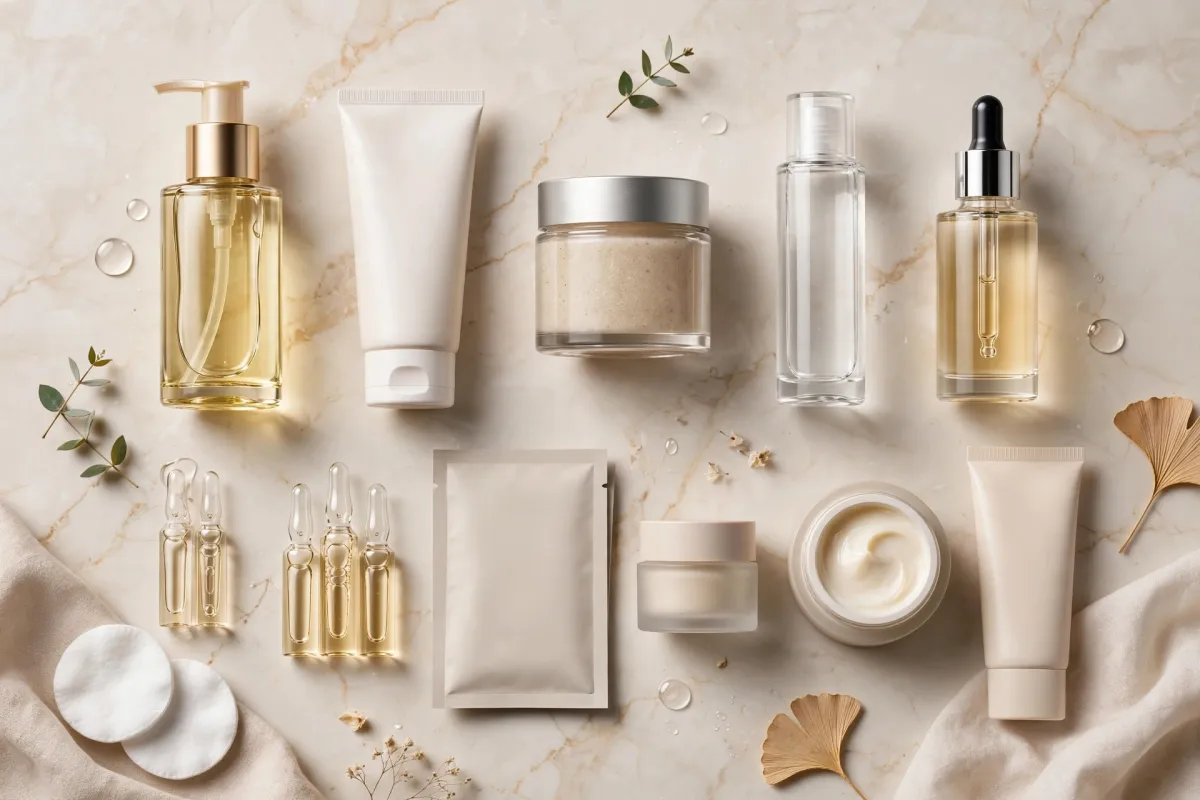
The Korean 10-step skincare method is a popular K-beauty approach built around layering several products in a deliberate order. The exact steps vary between routines, brands, and individual skin types.
Rather than treating ten products as mandatory, think of the method as a menu. The goal is to select the steps that address your actual skin concerns without creating an unnecessarily complicated routine.
Step 1: Oil or Balm Cleanser
An oil-based cleanser can help dissolve sunscreen, makeup, and oil-soluble residue. It is particularly useful at night when you need to remove products accumulated during the day.
However, not everyone needs a separate oil cleanser. If you do not wear makeup or water-resistant sunscreen, a suitable gentle cleanser may be enough.
Step 2: Water-Based Cleanser
A second cleanser can remove remaining residue after an oil-based first cleanse. The important goal is effective cleansing without leaving the skin excessively tight or irritated.
The American Academy of Dermatology recommends using a gentle cleanser and avoiding aggressive scrubbing, particularly when skin is dry or sensitive. American Academy of Dermatology: Dermatologist-Recommended Skin Care
Step 3: Exfoliator
Exfoliation can remove surface buildup and improve the feel and appearance of rough skin. Chemical exfoliants such as alpha hydroxy acids or beta hydroxy acids are commonly used in modern skincare.
Exfoliation is not an everyday requirement. Overuse can cause dryness, irritation, and barrier disruption, so frequency should match your skin's tolerance.
Step 4: Toner and Step 5: Essence
Modern toners can hydrate, soothe, or deliver active ingredients, while essences are typically lightweight products designed to add hydration or other skin-supporting ingredients.
Neither step is essential for everyone. If your cleanser, moisturizer, and treatment products already meet your needs, adding separate toner and essence products may provide little additional benefit.
Step 6: Serums and Ampoules
Serums and ampoules are concentrated products designed around specific concerns such as pigmentation, dryness, acne, or signs of aging. Their value depends on the active ingredient rather than the number of layers applied.
Introduce one new active product at a time when possible. This makes it easier to identify irritation and determine whether the product is actually helping.
Step 7: Sheet Mask and Step 8: Eye Cream
Sheet masks can temporarily increase skin hydration by keeping ingredients in contact with the skin. They are optional and should not be confused with a replacement for daily moisturizer.
Eye creams are also optional. The skin around the eyes can be sensitive, but a well-tolerated facial moisturizer may be sufficient for some people.
Step 9: Moisturizer and Step 10: Sunscreen
Moisturizer helps reduce water loss and supports the skin barrier. Ingredients such as ceramides, glycerin, and other humectants or emollients can be useful depending on the formulation.
In the morning, sunscreen is the most important final step. The American Academy of Dermatology recommends broad-spectrum, water-resistant sunscreen with SPF 30 or higher. American Academy of Dermatology: Sunscreen FAQs
What the Science Says About Layering
There is good evidence for several individual skincare practices, including gentle cleansing, moisturization, and protection from ultraviolet radiation. There is much less evidence that completing exactly ten steps produces better skin than a well-designed shorter routine.
A systematic review of skincare interventions emphasizes the importance of appropriate moisturization and barrier support, while treatment choices should reflect individual skin conditions and needs. Moisturizers: The Slippery Road
Common Myths About K-Beauty
Myth: You need all ten steps every day. No. A shorter routine can provide the essentials while reducing product overload and irritation.
Myth: More layers always create glass skin. Not necessarily. Skin appearance depends on hydration, genetics, skin condition, product formulation, and environmental factors.
Myth: Double cleansing is mandatory. No. It can be useful for removing makeup or water-resistant products, but a single effective cleanser may be sufficient in some routines.
Who Should Pay Attention?
A simplified Korean-inspired routine can work well for people who enjoy layered hydration and want to address specific concerns gradually. People with sensitive, acne-prone, or easily irritated skin may benefit from using fewer products and introducing actives slowly.
If your skin develops persistent burning, redness, swelling, or peeling, stop the suspected irritant rather than adding more products to compensate. Persistent symptoms may warrant evaluation by a dermatologist.
Evidence Strength Summary
- Strong: Gentle cleansing, moisturization, and daily sun protection are useful foundations for skin care.
- Moderate: Targeted active ingredients can address specific concerns when appropriately selected.
- Limited: Evidence that completing a specific ten-step sequence provides superior results over a simpler routine.
- Individual: Exfoliation, masks, essences, and eye creams should depend on skin type and personal needs.
Bottom Line
The Korean 10-step skincare routine is best viewed as a flexible framework, not a prescription to use ten products every day. The strongest foundation is simple: cleanse appropriately, moisturize, target specific concerns when needed, and protect your skin from UV exposure.
Start with the essentials, add products only when they serve a clear purpose, and give your skin time to respond. More skincare is not automatically better skincare.