The Ultimate Modern Hair Care Guide: Science-Backed Strategies for Healthier, Stronger Hair

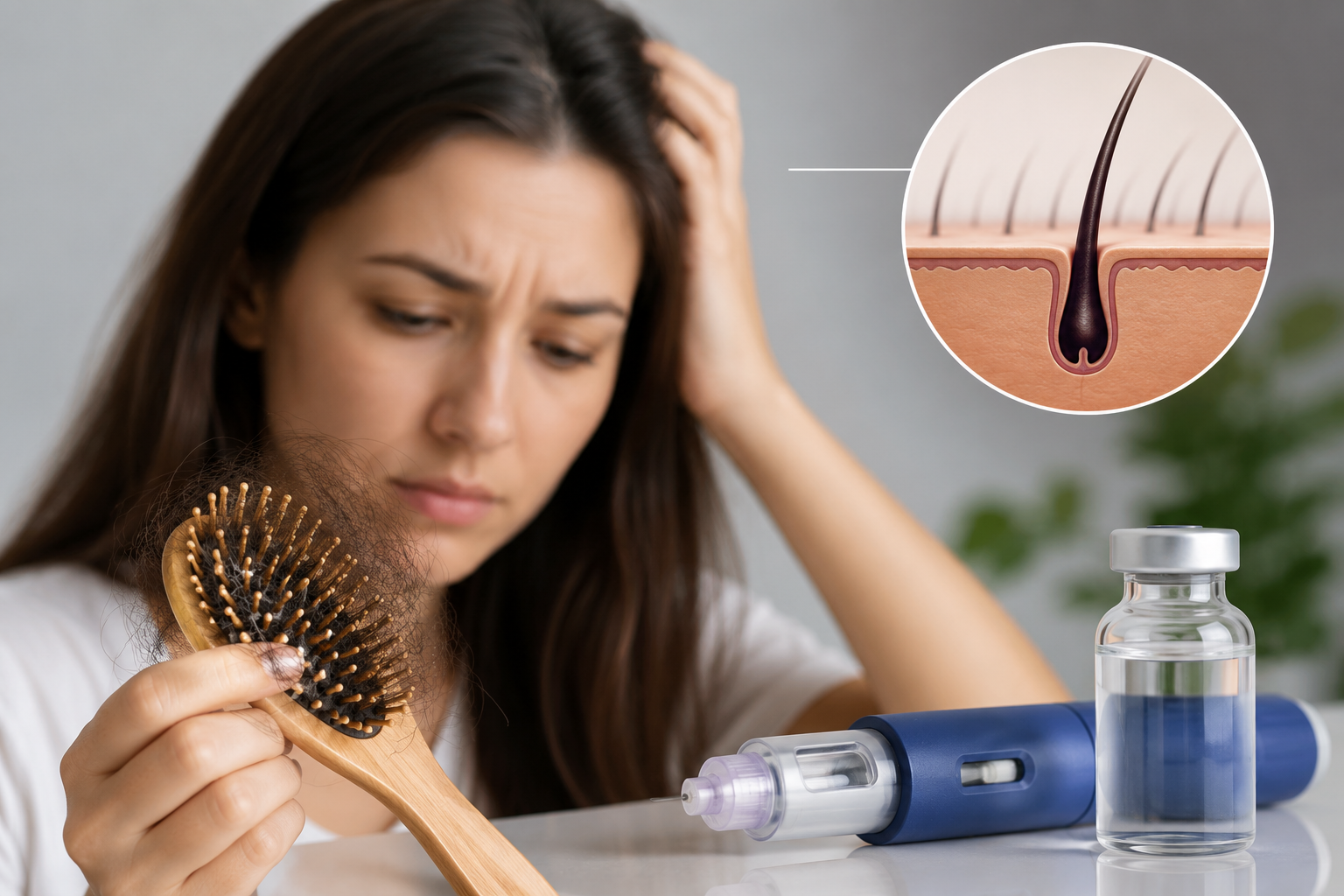
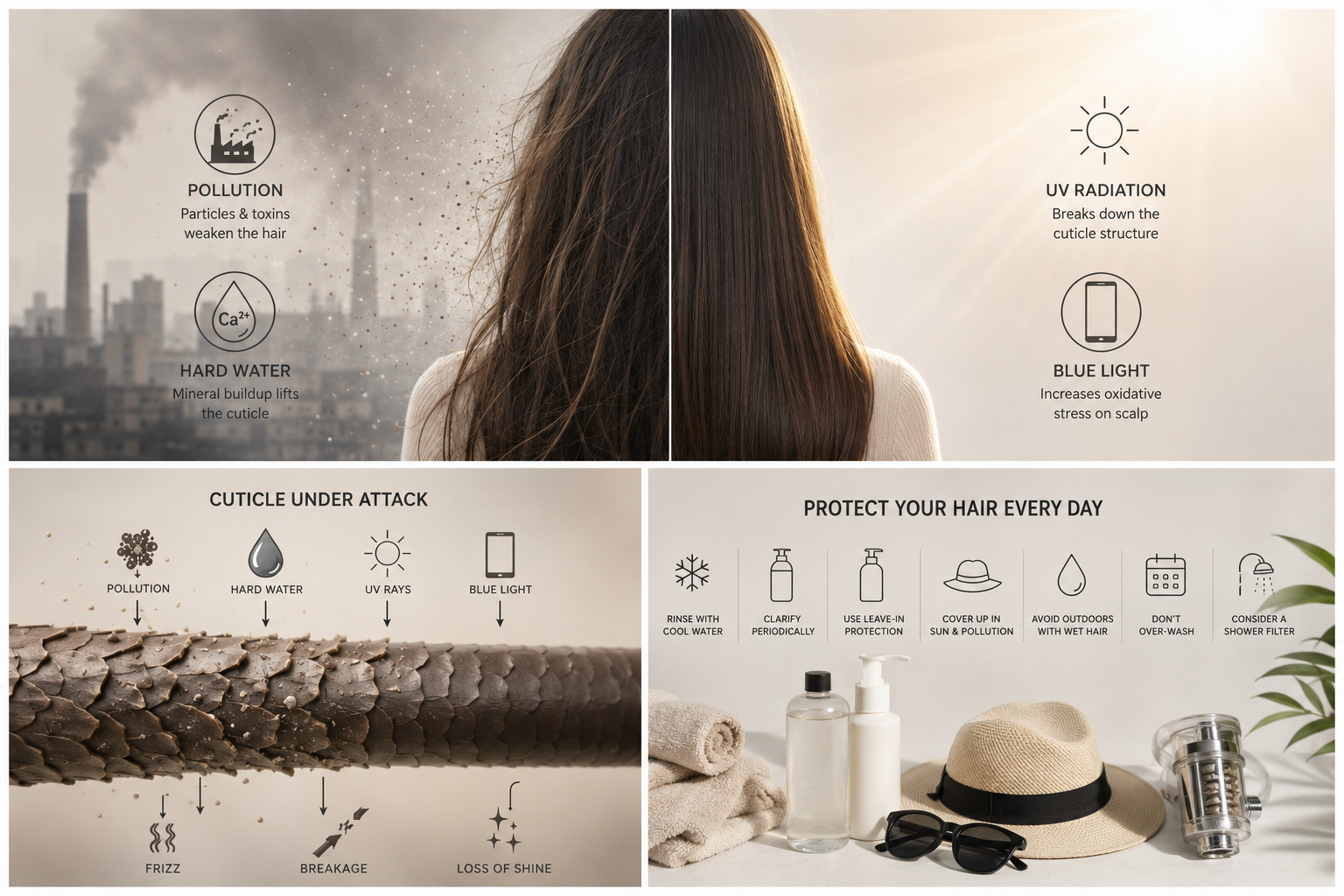
Healthy hair is no longer just about shampoo and conditioner. Modern hair care combines scientific research, proper nutrition, scalp health, and targeted treatments to achieve stronger, fuller, and more resilient hair. With increasing exposure to pollution, heat styling, stress, and harsh chemicals, maintaining hair health requires a strategic approach.
The scalp functions as the foundation of healthy hair growth. A balanced scalp environment supports stronger follicles and promotes consistent hair growth cycles. Excess oil, product buildup, dandruff, and inflammation can interfere with optimal follicle function.
Key scalp care practices include:
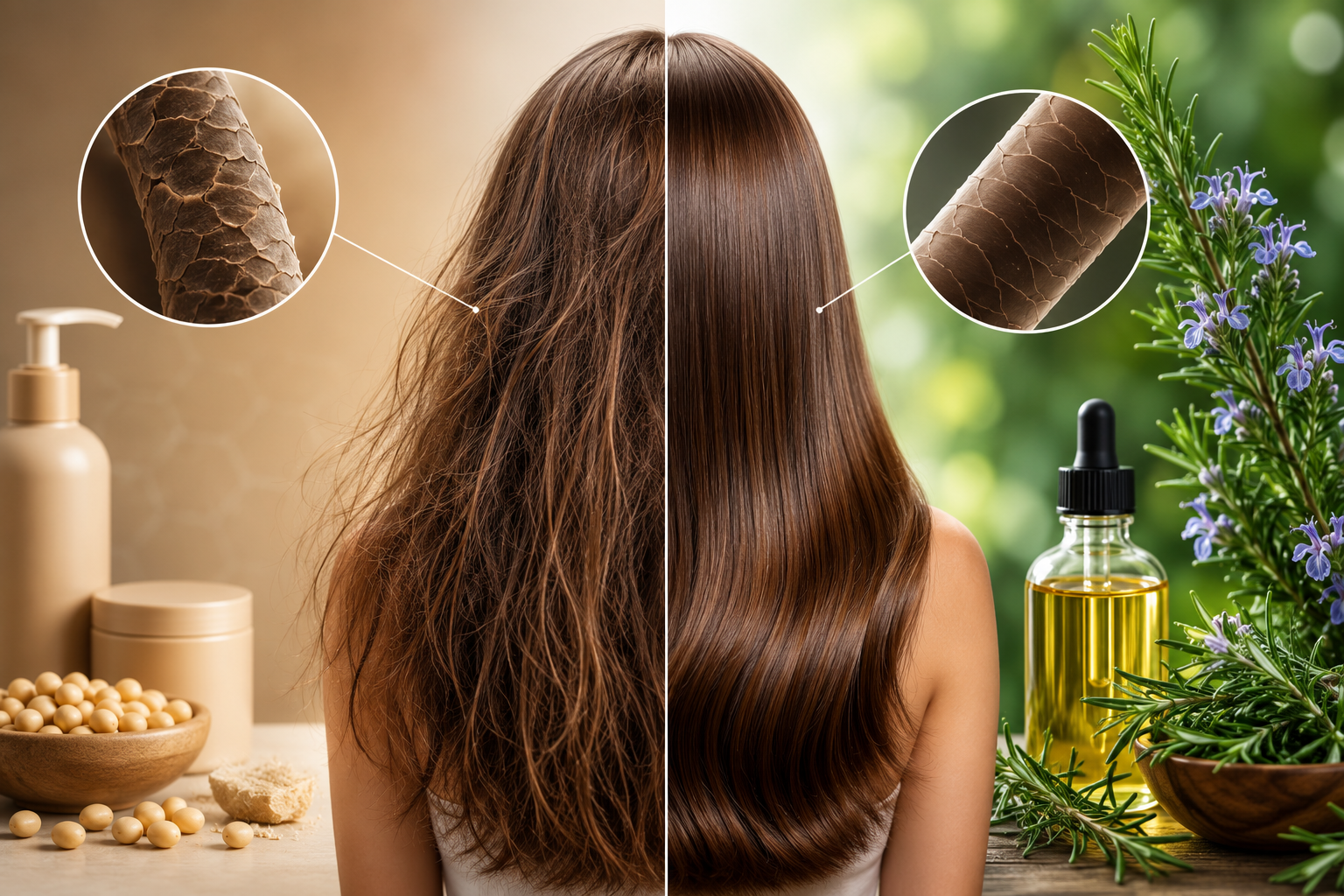
Rosemary oil has gained popularity due to studies suggesting its potential to support hair growth and improve scalp circulation. Many users incorporate diluted rosemary oil into their weekly routine.
Hair peptides help support follicle health and strengthen hair fibers. Peptide-based serums are becoming increasingly common in advanced hair care formulations.
Known for supporting scalp barrier health, niacinamide helps balance oil production and reduce scalp irritation.
Caffeine-infused scalp treatments may help stimulate hair follicles and support healthier hair growth.
Keratin treatments help repair damaged hair strands and improve overall smoothness and strength.
Choose a shampoo suited to your scalp condition rather than your hair length. Oily scalps may require more frequent washing, while dry scalps benefit from gentler cleansing.
Apply conditioner mainly to the mid-lengths and ends to prevent dryness and reduce breakage.
Always use a heat protectant before blow-drying, straightening, or curling hair. Excessive heat remains one of the leading causes of hair damage.
Use scalp serums or lightweight oils containing rosemary, peptides, or niacinamide to support follicle health.
A weekly hair mask can restore moisture, improve elasticity, and strengthen damaged strands.
Hair health is closely linked to nutrition. Deficiencies in essential nutrients can contribute to thinning and breakage.
Important nutrients include:
The hair care industry continues evolving with innovative technologies and personalized solutions. Current trends include:
Modern hair care focuses on maintaining a healthy scalp, protecting hair from damage, and using scientifically supported ingredients. By combining proper cleansing, targeted treatments, nutritional support, and protective habits, individuals can significantly improve hair strength, shine, and overall appearance. Consistency remains the most important factor in achieving long-term hair health and growth.
Medical Disclaimer: Content on Hyaluflow is for informational and educational purposes only. It is not intended to provide medical advice or to take the place of such advice or treatment from a personal physician. All readers of this content are advised to consult their doctors or qualified health professionals regarding specific health questions. Neither Hyaluflow nor the publisher of this content takes responsibility for possible health consequences of any person or persons reading or following the information in this educational content.
Written By
Dr. Vivienne Chen, MD
Board-Certified Dermatologist & Biomedical Researcher
Dr. Vivienne Chen is a board-certified dermatologist and biomedical researcher with over 12 years of clinical experience in cellular aging, peptide therapies, and skin barrier health.
Sponsored Partner