Quick Answer: Keratin and rosemary oil serve different purposes. Hydrolyzed keratin helps temporarily repair damaged hair by reinforcing the hair shaft, while rosemary oil has clinical evidence suggesting it may support hair growth and scalp health. Neither ingredient is a miracle cure, but both are supported by peer-reviewed research when used appropriately.
Key Takeaways
  • Keratin strengthens and smooths damaged hair but does not stimulate new hair growth.
  • Rosemary oil may improve hair density by supporting scalp circulation and follicle health.
  • These ingredients complement each other because they target different parts of hair health.
  • Clinical research supports both ingredients, although evidence for rosemary oil remains limited compared with FDA-approved hair loss treatments.
  • Consistent use over several months is more important than expecting quick results.

Introduction

Search interest in keratin and rosemary oil for hair has grown rapidly over the past few years. Social media often portrays both as miracle ingredients capable of repairing severe damage or reversing hair loss. While these claims are frequently exaggerated, the science behind these two ingredients is stronger than many viral hair care trends.

Keratin has been used for decades in professional and at-home hair treatments because it helps reinforce damaged hair fibers and improves smoothness. Rosemary oil, meanwhile, has attracted scientific attention after a randomized clinical trial found it performed similarly to 2% minoxidil for increasing hair count over six months in people with androgenetic alopecia. Although promising, the evidence should be interpreted carefully rather than viewed as proof that rosemary oil replaces established medical treatments.

The important point is that these ingredients are not competitors. Keratin primarily improves the appearance and strength of existing hair, whereas rosemary oil focuses on the scalp environment that supports future hair growth. Understanding this distinction helps set realistic expectations and prevents disappointment caused by misleading marketing.

This evidence-based guide reviews how each ingredient works, summarizes the latest peer-reviewed research, explains their benefits and limitations, discusses potential safety concerns, and shows how they can be incorporated into the same hair care routine.

Why This Matters

The global hair care market is flooded with products claiming to "repair," "restore," or "regrow" hair. Unfortunately, many of these claims rely on marketing language rather than high-quality scientific evidence. Some products highlight impressive before-and-after photos without controlled clinical studies, while others use ingredients that have never been evaluated in humans.

Choosing products supported by peer-reviewed research can help consumers spend money more wisely and develop realistic expectations. Understanding whether an ingredient works on the hair shaft or the hair follicle also prevents confusion, since improving hair quality is very different from stimulating new hair growth.

Current evidence suggests keratin and rosemary oil deserve attention because both have plausible biological mechanisms and published scientific studies supporting their use. However, neither ingredient completely reverses hair damage or cures hair loss on its own. Recognizing their strengths—and their limitations—allows for a more informed and science-based hair care routine.

What Keratin Actually Does for Hair

Keratin is the primary structural protein that makes up approximately 90% of the hair shaft. Healthy hair owes much of its strength, elasticity, and resilience to tightly packed keratin proteins. However, frequent heat styling, bleaching, chemical straightening, coloring, UV exposure, and environmental pollutants gradually break down these proteins, leaving hair weaker, rougher, and more prone to breakage.

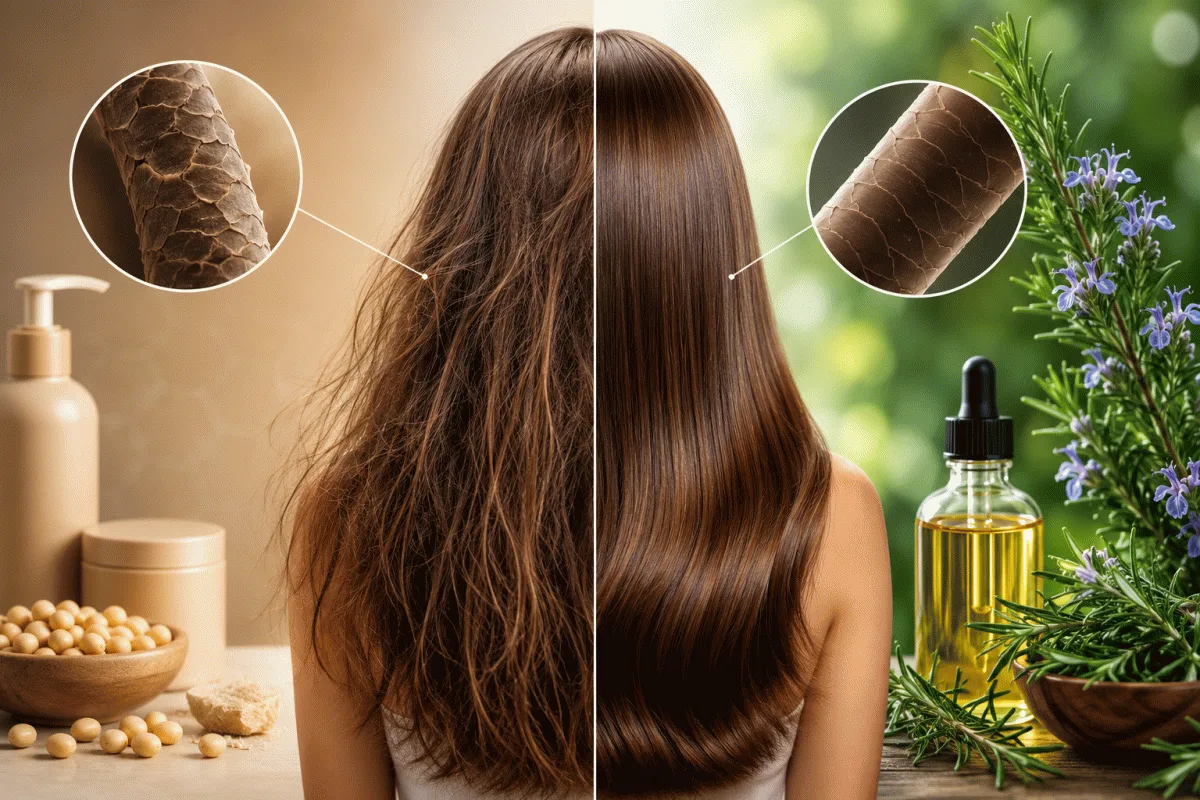
Most hair care products do not contain whole keratin. Instead, they use hydrolyzed keratin, which is broken down into smaller peptides that can adhere more effectively to damaged hair. These peptides form a thin protective film over the hair cuticle, temporarily filling microscopic cracks and improving smoothness, shine, moisture retention, and resistance to mechanical stress.

Importantly, hydrolyzed keratin does not permanently rebuild damaged hair. Since hair is biologically dead once it emerges from the scalp, no topical ingredient can permanently regenerate its internal structure. Instead, keratin treatments temporarily reinforce damaged areas until the treated hair is cut or grows out.

Laboratory research has shown that hydrolyzed keratin can improve hair fiber integrity, reduce surface damage, enhance moisture retention, and help protect against ultraviolet (UV) radiation that contributes to hair aging (photoaging). These effects are particularly beneficial for chemically treated, color-treated, or heat-damaged hair.

How Hydrolyzed Keratin Repairs Damaged Hair

Hydrolyzed keratin contains low-molecular-weight peptides that penetrate the outer cuticle more effectively than intact keratin proteins. Once deposited, these peptides bind to damaged regions of the hair shaft through hydrogen bonding and electrostatic interactions, helping reinforce weakened fibers.

Research published in the International Journal of Cosmetic Science demonstrated that hydrolyzed keratin significantly improves tensile strength, flexibility, and resistance to breakage in damaged hair fibers. Additional laboratory studies also found that enzymatically modified keratin combined with amino acids such as serine improves hair strength while maintaining flexibility after repeated washing, suggesting the repair effect persists beyond a single shampoo.

This explains why high-quality keratin treatments often combine hydrolyzed proteins with conditioning agents, ceramides, amino acids, or moisturizing ingredients instead of relying on keratin alone.

What Keratin Cannot Do

Although keratin treatments can noticeably improve the appearance and feel of damaged hair, they have important limitations.

  • They do not stimulate new hair growth.
  • They cannot reactivate dormant hair follicles.
  • They do not permanently repair split ends.
  • Results gradually diminish with regular shampooing.
  • The effectiveness depends on product formulation, concentration, and overall hair condition.

Consumers should also distinguish between everyday keratin-containing shampoos or leave-in treatments and professional keratin smoothing treatments. While both contain keratin-related ingredients, salon smoothing procedures often rely on additional chemicals that temporarily alter hair structure and may release formaldehyde or formaldehyde-releasing compounds when heated.

Keratin vs. Rosemary Oil: What's the Difference?

Feature Keratin Rosemary Oil
Primary Target Hair shaft Scalp and hair follicles
Main Benefit Strengthens and smooths damaged hair Supports healthier hair growth and scalp health
Helps Hair Growth? No May help in some people
Improves Hair Strength? Yes Indirectly
Best For Dry, chemically treated, heat-damaged hair Early hair thinning and maintaining scalp health
Evidence Quality Strong laboratory evidence Moderate human clinical evidence
Time to Notice Results Immediately after treatment Approximately 3–6 months of consistent use
Can They Be Used Together? Yes Yes

The comparison highlights why these ingredients should not be viewed as alternatives. Keratin improves the quality of existing hair fibers, while rosemary oil focuses on supporting the scalp environment where new hair grows. For many people experiencing both damaged hair and mild hair thinning, combining the two may provide complementary benefits.

Scientific References

  • Bian X, et al. Performance and Mechanism of Hydrolyzed Keratin for Hair Photoaging Prevention. Journal of Cosmetic Dermatology. (Peer-reviewed laboratory research).
  • Wigley A, et al. Enzymatic Crosslinking of Amino Acids Improves the Repair Effect of Keratin on Hair Fibre. International Journal of Cosmetic Science. (Peer-reviewed experimental study).
  • Robbins CR. Chemical and Physical Behavior of Human Hair. 5th Edition. Springer. (Reference text on hair biology).

What Rosemary Oil Does for Hair and Scalp

Unlike keratin, which works on the hair shaft, rosemary oil primarily targets the scalp and hair follicles. Derived from the herb Rosmarinus officinalis (now classified botanically as Salvia rosmarinus), rosemary essential oil contains bioactive compounds such as carnosic acid, rosmarinic acid, and 1,8-cineole. These compounds have antioxidant, anti-inflammatory, and antimicrobial properties that may help maintain a healthier scalp environment.

Healthy hair growth depends on more than just the hair follicle itself. Inflammation, oxidative stress, and poor scalp health can disrupt the normal hair growth cycle. Laboratory studies suggest rosemary oil may help reduce oxidative damage and support blood circulation around hair follicles, although researchers are still investigating the exact biological mechanisms.

While rosemary oil has become a popular natural remedy for hair thinning, it should not be viewed as a guaranteed treatment for hair loss. Current evidence is promising but remains more limited than the evidence supporting FDA-approved medications such as minoxidil.

The Research: Rosemary Oil vs. Minoxidil

The strongest clinical evidence comes from a randomized comparative trial published in SKINmed in 2015. Researchers enrolled 100 adults with androgenetic alopecia (pattern hair loss) and randomly assigned them to apply either rosemary oil lotion or 2% minoxidil twice daily for six months.

After six months, both groups experienced a statistically significant increase in hair count. Importantly, researchers found no significant difference between the rosemary oil and 2% minoxidil groups in overall hair growth. Participants using rosemary oil also reported less scalp itching, one of the most common side effects associated with topical minoxidil.

These findings generated considerable interest because they suggested rosemary oil could become a potential option for individuals seeking a plant-based alternative. However, the results should be interpreted carefully. The study compared rosemary oil with 2% minoxidil, whereas many dermatologists prescribe 5% minoxidil, which generally produces greater hair growth. In addition, no large independent clinical trials have replicated these findings, so stronger evidence is still needed.

How Rosemary Oil May Support Hair Growth

Researchers believe rosemary oil may influence hair growth through several complementary mechanisms rather than a single pathway.

  • May improve scalp microcirculation, increasing oxygen and nutrient delivery to hair follicles.
  • Provides antioxidant activity that helps reduce oxidative stress associated with follicle aging.
  • Contains anti-inflammatory compounds that may promote a healthier scalp environment.
  • May help regulate microbial balance on the scalp.
  • Laboratory research suggests carnosic acid may help protect nerve tissue and support cellular repair, although its direct role in hair growth remains under investigation.

Although these mechanisms are biologically plausible, more human clinical studies are needed to confirm exactly how rosemary oil produces its observed effects.

What the Science Says

Current scientific evidence supports different roles for keratin and rosemary oil rather than placing them in direct competition.

Hydrolyzed keratin has strong laboratory evidence demonstrating measurable improvements in hair fiber strength, elasticity, moisture retention, and protection against mechanical and ultraviolet damage. These findings are consistent across multiple experimental studies because they evaluate the physical properties of human hair fibers under controlled conditions.

Rosemary oil, on the other hand, has encouraging human clinical evidence but from a much smaller body of research. The 2015 randomized controlled trial remains the highest-quality study available, showing comparable improvements in hair count to 2% minoxidil after six months. However, scientists generally consider a single randomized trial insufficient to establish definitive clinical effectiveness. Larger multicenter studies with longer follow-up are needed before rosemary oil can be considered equivalent to established medical therapies.

Overall, current evidence suggests keratin is best supported for improving hair quality, while rosemary oil shows potential for supporting hair growth in certain individuals.

Evidence Strength

Claim Evidence Strength Quality of Evidence
Hydrolyzed keratin strengthens damaged hair Strong Multiple laboratory and cosmetic science studies
Keratin improves hair smoothness and reduces breakage Strong Consistent experimental evidence
Rosemary oil may improve hair density Moderate One randomized controlled clinical trial
Rosemary oil performs similarly to 2% minoxidil Moderate Single comparative human study
Rosemary oil replaces FDA-approved hair loss treatments Limited Insufficient clinical evidence

Scientific References

  • Panahi Y, Taghizadeh M, Marzony ET, Sahebkar A. Rosemary Oil vs. Minoxidil 2% for the Treatment of Androgenetic Alopecia: A Randomized Comparative Trial. SKINmed. 2015;13(1):15–21.
  • Nieto G, Ros G, Castillo J. Antioxidant and Antimicrobial Properties of Rosemary (Salvia rosmarinus): A Review. International Journal of Food Science & Technology.
  • National Center for Complementary and Integrative Health (NCCIH). Essential Oils: What the Evidence Shows.

Using Keratin and Rosemary Oil Together

Because keratin and rosemary oil target different aspects of hair health, they can complement each other in the same routine rather than compete. Keratin helps improve the strength, smoothness, and appearance of existing hair strands, while rosemary oil supports a healthier scalp environment where new hair grows.

For people with both damaged hair and mild hair thinning, using both ingredients may provide broader benefits than relying on either one alone. However, combining them does not necessarily produce faster results. Each ingredient works through a different biological mechanism and requires consistent use to deliver its intended effects.

A Practical Hair Care Routine

A simple routine may help maximize the benefits of both ingredients without overcomplicating your hair care regimen.

  • 2–3 times per week: Wash with a shampoo containing hydrolyzed keratin if your hair is dry, chemically treated, or prone to breakage.
  • After washing: Apply a keratin leave-in conditioner or hair mask to the mid-lengths and ends rather than the scalp.
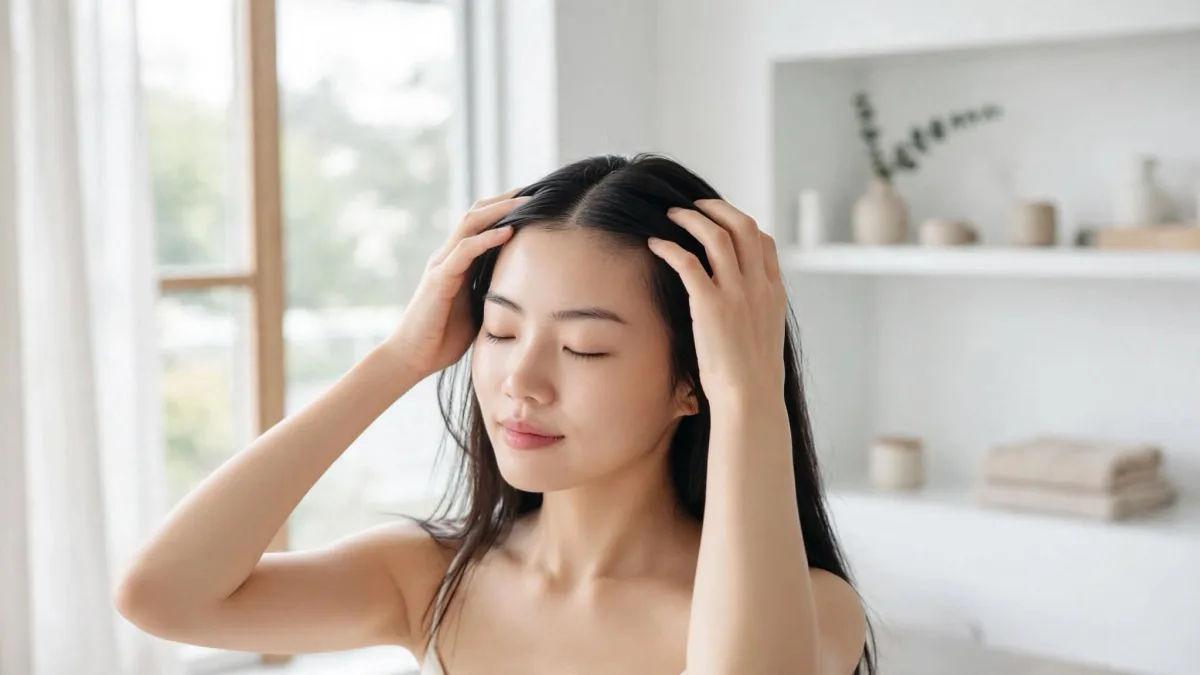
  • 2–4 times per week: Massage diluted rosemary essential oil into the scalp for several minutes before washing or as directed by the product manufacturer.
  • Daily: Minimize excessive heat styling and use a heat protectant to reduce further protein damage.
  • Weekly: Include a moisturizing conditioner or deep-conditioning treatment to maintain a healthy moisture-protein balance.

Since rosemary oil works on the scalp and keratin works on the hair shaft, applying them separately allows each ingredient to target the area where it is most effective.

How Long Does It Take to See Results?

Keratin treatments often produce immediate cosmetic improvements because they coat and reinforce existing hair fibers. Hair usually appears smoother, shinier, and easier to manage after the first application. These effects gradually diminish with repeated washing and ongoing exposure to heat, UV radiation, and mechanical damage.

Rosemary oil requires considerably more patience. In the available randomized clinical trial, participants showed little measurable improvement after three months, with statistically significant increases in hair count becoming evident only after six months of consistent twice-daily application. This highlights the importance of maintaining realistic expectations and avoiding premature discontinuation.

Regardless of the ingredient, consistency is generally more important than intensity. Using high amounts or applying products more frequently than recommended is unlikely to accelerate results and may increase the risk of irritation or product buildup.

Benefits of Keratin and Rosemary Oil

Although they work differently, both ingredients offer advantages supported by scientific research when used appropriately.

  • Both have peer-reviewed scientific evidence supporting their primary benefits.
  • Hydrolyzed keratin improves hair strength, smoothness, elasticity, and resistance to breakage.
  • Keratin helps reduce the visible signs of damage caused by bleaching, coloring, chemical treatments, and heat styling.
  • Rosemary oil may support healthier hair density in individuals experiencing androgenetic alopecia or mild hair thinning.
  • Rosemary oil demonstrated fewer reports of scalp itching than 2% minoxidil in one randomized clinical trial.
  • Both ingredients are widely available in over-the-counter products and can usually be incorporated into existing hair care routines.
  • Using both ingredients together addresses both hair fiber damage and scalp health without duplicating their effects.

Common Mistakes to Avoid

Even scientifically supported ingredients can produce disappointing results when used incorrectly. Avoiding these common mistakes can help improve outcomes.

  • Expecting keratin treatments to stimulate new hair growth.
  • Applying undiluted rosemary essential oil directly to the scalp without a carrier oil, unless using a commercially formulated leave-on product specifically designed for direct application.
  • Stopping rosemary oil after only a few weeks because visible improvements take several months.
  • Using excessive keratin products without balancing them with moisturizing conditioners, which may contribute to protein overload in susceptible hair types.
  • Ignoring other causes of hair loss, such as iron deficiency, thyroid disease, hormonal disorders, nutritional deficiencies, or certain medications.
  • Believing that "natural" automatically means safer or more effective than evidence-based medical treatments.

For persistent or rapidly worsening hair loss, consultation with a dermatologist remains the best approach. Early evaluation can identify underlying medical conditions and improve treatment outcomes.

Risks and Limitations

Although keratin and rosemary oil are generally well tolerated when used correctly, neither ingredient is completely risk-free. Understanding their limitations and potential side effects can help you make informed decisions and avoid unrealistic expectations.

Rosemary Oil Safety

Rosemary oil is a concentrated essential oil and should never be applied directly to the scalp unless it is part of a commercially formulated product designed for direct use. Pure essential oil should be diluted with a carrier oil, such as jojoba, argan, sweet almond, or coconut oil, before application.

Possible side effects include:

  • Skin irritation or burning.
  • Redness or itching.
  • Allergic contact dermatitis.
  • Eye irritation if accidental contact occurs.

A patch test is recommended before regular use. Apply a small amount of diluted oil to the inside of the forearm and wait 24–48 hours for signs of irritation. People with eczema, psoriasis, seborrheic dermatitis, or other scalp disorders should consult a healthcare professional before using essential oils.

Keratin Treatment Safety

Hydrolyzed keratin found in shampoos, conditioners, masks, and leave-in treatments is generally considered low risk for most people. However, professional keratin smoothing treatments are a separate category and may pose health concerns depending on their formulation.

Some salon treatments release formaldehyde or formaldehyde-releasing chemicals, such as methylene glycol, when heated with a blow dryer or flat iron. Formaldehyde is classified as a human carcinogen with repeated occupational exposure, prompting safety warnings from both the U.S. Food and Drug Administration (FDA) and the Occupational Safety and Health Administration (OSHA).

Consumers should also be aware that products labeled "formaldehyde-free" may still contain ingredients capable of releasing formaldehyde during the heating process. Asking the salon about product ingredients and ensuring adequate ventilation are important safety measures.

Protein Overload

Using multiple protein-rich hair products too frequently may contribute to what is commonly referred to as protein overload. While not a formal medical diagnosis, the term describes hair that becomes excessively stiff, dry, and brittle because the balance between protein and moisture has been disrupted.

Signs of protein overload may include:

  • Hair that feels rough or straw-like.
  • Reduced flexibility and elasticity.
  • Increased breakage despite regular conditioning.
  • Difficulty styling or managing the hair.

If these symptoms develop, temporarily reducing protein-based products while increasing moisturizing treatments may help restore balance.

Common Myths

Myth 1: Keratin Permanently Repairs Damaged Hair

Fact: Hair is biologically dead once it grows beyond the scalp. Keratin treatments temporarily improve the appearance and strength of damaged hair but cannot permanently regenerate broken hair fibers or permanently seal split ends.

Myth 2: Rosemary Oil Is Proven to Work Better Than Minoxidil

Fact: Current evidence does not support this claim. One randomized clinical trial found rosemary oil performed similarly to 2% minoxidil, but it has not been directly compared with 5% minoxidil in large, independent clinical studies.

Myth 3: Natural Ingredients Are Always Safer

Fact: Natural products can still cause allergic reactions, irritation, or other adverse effects. Essential oils should be used carefully and according to evidence-based recommendations.

Myth 4: More Keratin Means Healthier Hair

Fact: Excessive protein treatments may leave some hair types feeling stiff and brittle. Healthy hair requires a balance between protein and moisture rather than unlimited amounts of either.

Myth 5: Results Should Appear Within a Few Weeks

Fact: Keratin provides immediate cosmetic improvements, but rosemary oil requires several months of consistent use before meaningful changes in hair density may become noticeable.

Who Should Pay Attention?

Keratin and rosemary oil may benefit different groups of people depending on their hair concerns.

  • Chemically treated or heat-damaged hair: Hydrolyzed keratin may improve strength, smoothness, and manageability.
  • Mild hair thinning: Rosemary oil may be worth discussing with a dermatologist as part of an overall hair care plan.
  • People with sensitive scalps: Patch testing is recommended before introducing rosemary oil or any new topical product.
  • Individuals considering salon keratin smoothing treatments: Ask whether the product releases formaldehyde or formaldehyde-releasing compounds and confirm the salon has adequate ventilation.
  • Pregnant or breastfeeding individuals: Consult a qualified healthcare professional before regularly using essential oils, including rosemary oil, because safety data remain limited.
  • People with sudden or severe hair loss: Seek medical evaluation promptly, as underlying medical conditions may require diagnosis and treatment rather than cosmetic products alone.

Bottom Line

Keratin and rosemary oil are among the few widely used hair care ingredients supported by peer-reviewed scientific evidence, but they serve very different purposes. Hydrolyzed keratin helps temporarily strengthen damaged hair fibers, improve smoothness, and reduce breakage, while rosemary oil shows promising—though still limited—clinical evidence for supporting scalp health and improving hair density in some individuals.

Neither ingredient is a miracle solution, and neither can permanently repair damaged hair or cure every type of hair loss. The best results come from matching the right ingredient to the right concern, maintaining realistic expectations, and using products consistently over time.

If you have persistent hair thinning, rapid hair loss, scalp disease, or other concerning symptoms, consult a dermatologist. Identifying the underlying cause is often more important than choosing a single ingredient, and early treatment can significantly improve long-term outcomes.

References

  1. Panahi Y, et al. Rosemary oil vs. minoxidil 2% for the treatment of androgenetic alopecia: A randomized comparative trial. SKINmed. 2015;13(1):15–21.
  2. Bian X, et al. Performance and Mechanism of Hydrolyzed Keratin for Hair Photoaging Prevention. Journal of Cosmetic Dermatology.
  3. Wigley A, et al. Enzymatic Crosslinking of Amino Acids Improves the Repair Effect of Keratin on Hair Fibre. International Journal of Cosmetic Science.
  4. Robbins CR. Chemical and Physical Behavior of Human Hair. 5th Edition.
  5. Gavazzoni Dias MFR. Hair Cosmetics: An Overview. International Journal of Trichology. 2015;7(1):2–15.
  6. U.S. Food and Drug Administration. Hair Smoothing Products That Could Release Formaldehyde.
  7. Occupational Safety and Health Administration. Hair Salons: Facts About Formaldehyde in Hair Products.
  8. Suchonwanit P, et al. Minoxidil and Its Use in Hair Disorders. Drug Design, Development and Therapy. 2019.