Reviewed by the HyaluFlow Health Editorial Team | Published: June 17, 2026 | Last Updated: August 25, 2026
Salicylic acid is one of the most established over-the-counter ingredients for acne-prone skin. It helps loosen dead skin cells and clear clogged pores, making it particularly useful for blackheads and whiteheads.
- Salicylic acid is a beta hydroxy acid commonly used for acne-prone skin.
- It can help unclog pores and improve blackheads and whiteheads.
- More frequent or stronger use is not automatically more effective.
- Dryness and irritation can occur, especially when several acne treatments are combined.
- Moisturizer and daily sunscreen can help support the skin while treating acne.
What Is Salicylic Acid?
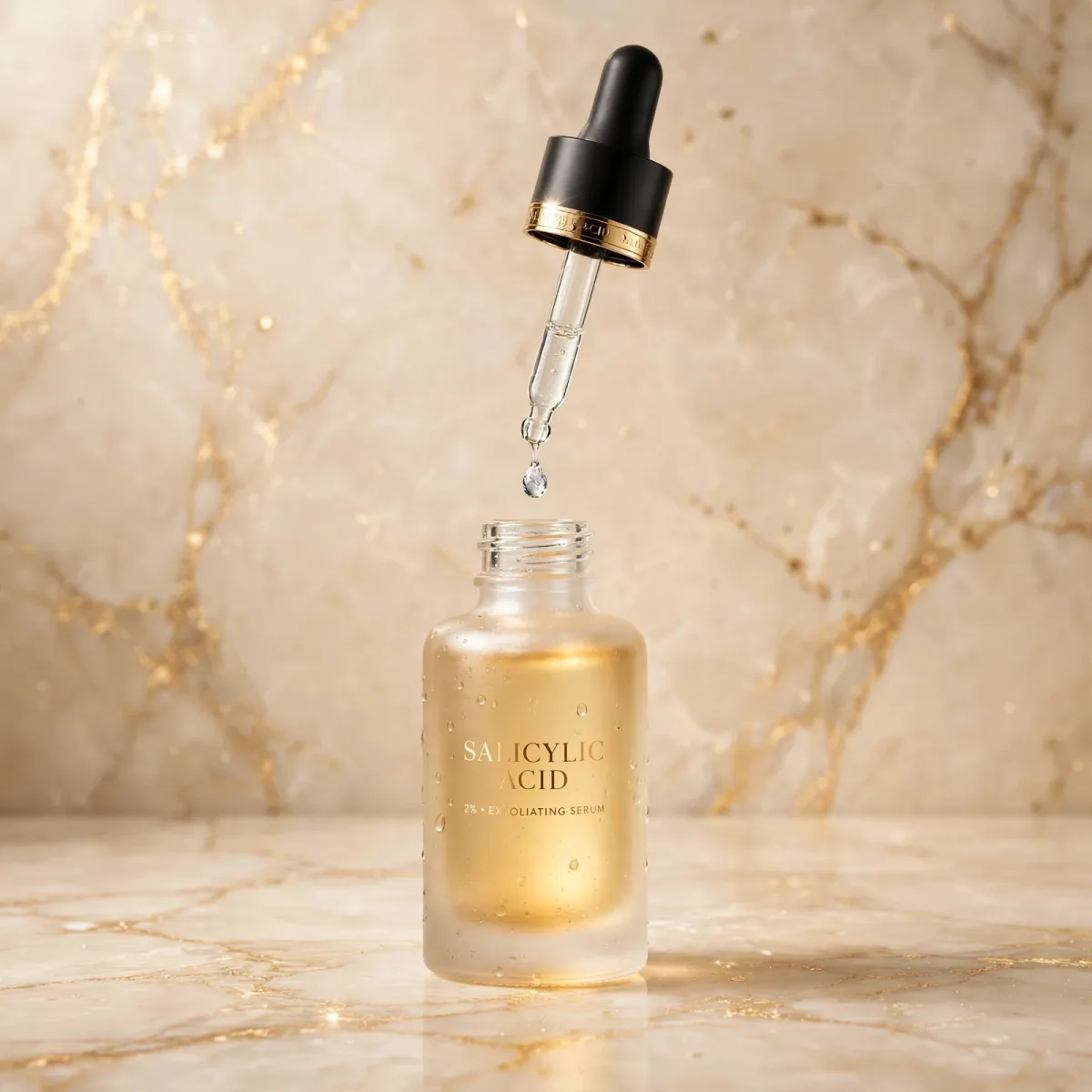
Salicylic acid is a beta hydroxy acid, or BHA, used in many cleansers, gels, lotions, and other acne products. Its exfoliating action helps remove excess dead skin cells from the surface and within clogged pores.
The American Academy of Dermatology lists topical salicylic acid as a conditional treatment option for acne because it can unclog pores and exfoliate the skin. American Academy of Dermatology: Updated Acne Guidelines
How Salicylic Acid Helps Clogged Pores
Acne can develop when dead skin cells and oil contribute to blocked hair follicles. Salicylic acid helps loosen this buildup, which can make it useful for comedonal acne such as blackheads and whiteheads.
It does not permanently “shrink” pores. Instead, keeping pores clearer can make them appear less noticeable, particularly when excess oil and debris are contributing to their visibility.
Salicylic Acid for Blackheads and Whiteheads
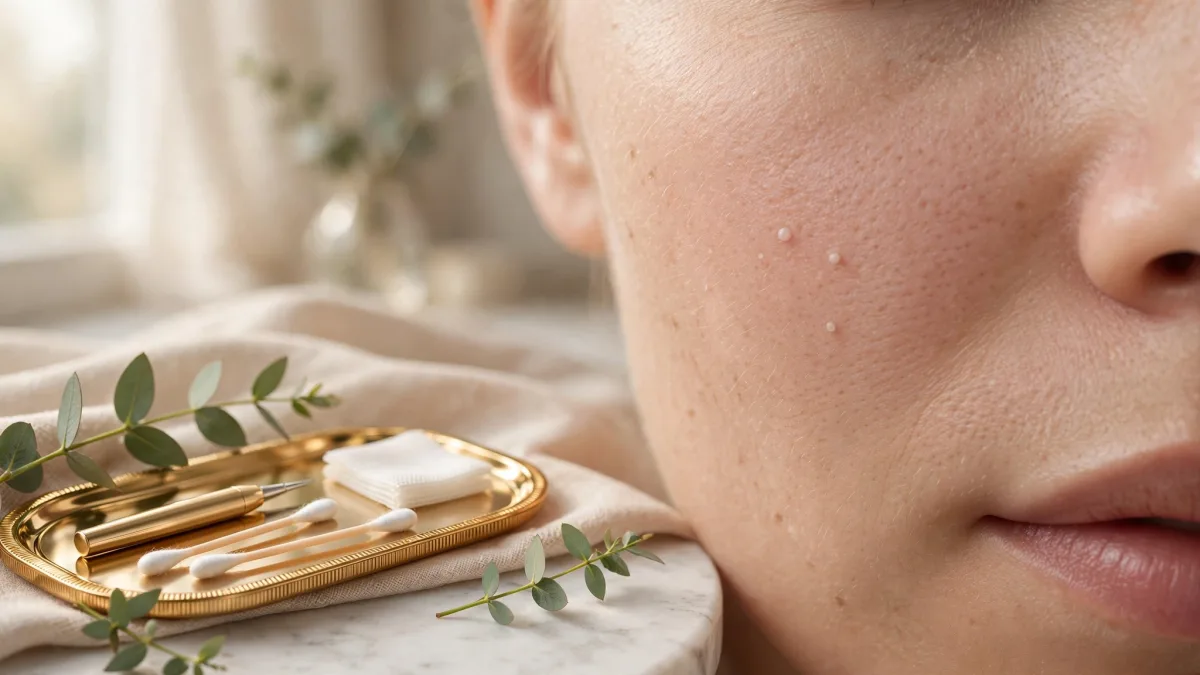
Salicylic acid is especially useful when clogged pores are the main concern. Dermatologists commonly recommend it for blackheads and whiteheads because of its ability to exfoliate and help keep pores from becoming blocked.
The American Academy of Dermatology notes that salicylic acid works best for whiteheads and blackheads among common over-the-counter acne treatments. American Academy of Dermatology: Adult Acne Treatment
Can Salicylic Acid Treat Inflamed Acne?
Salicylic acid may help some pimples, but it is not the strongest option for every type of inflammatory acne. Deeper, painful nodules or cysts often require a more comprehensive treatment plan.
The 2024 American Academy of Dermatology acne guidelines support several other topical treatments, including benzoyl peroxide and topical retinoids, which target different mechanisms involved in acne. American Academy of Dermatology: Acne Clinical Guideline
How to Use Salicylic Acid Safely
Start with the product instructions and apply a thin, even layer rather than assuming more product will produce faster results. If your skin is sensitive, begin less frequently and increase use only if your skin tolerates it.
Avoid combining several strong exfoliating or acne treatments at once unless you know your skin can tolerate the combination. Excessive irritation can make an acne routine harder to maintain.
Salicylic Acid and Skin Dryness
Dryness, peeling, and irritation can occur with acne treatments, including salicylic acid. Using a suitable moisturizer can help reduce discomfort and support continued treatment.
The American Academy of Dermatology notes that moisturizer can be useful for people using salicylic acid and other acne treatments because these products can dry and irritate the skin. American Academy of Dermatology: Moisturizer and Acne
What the Science Says
Evidence supports salicylic acid as a useful acne treatment, particularly for unclogging pores. However, it is only one tool in acne care, and treatment should match the type and severity of the acne.
Results also take time. The American Academy of Dermatology advises giving an acne treatment several weeks before judging whether it is working, rather than repeatedly switching products after a few days. American Academy of Dermatology: 9 Things to Try When Acne Won't Clear
Common Myths About Salicylic Acid
Myth: Salicylic acid removes every type of acne. False. It is particularly useful for clogged pores, while moderate-to-severe inflammatory acne may need additional treatments.
Myth: Stronger use means faster results. Not necessarily. Excessive use can increase dryness and irritation without guaranteeing better acne control.
Myth: Salicylic acid permanently shrinks pores. No. It can help keep pores clear and make them appear less noticeable, but pore size is also influenced by genetics and skin structure.
Who Should Pay Attention?
Salicylic acid may be useful for people dealing with blackheads, whiteheads, clogged pores, or mild acne. People with very sensitive or easily irritated skin should introduce it cautiously and avoid layering multiple irritating products.
If acne is painful, deep, widespread, scarring, or not improving with appropriate over-the-counter care, a dermatologist can determine whether stronger or combination treatment is needed.
Evidence Strength Summary
- Strong: Salicylic acid can exfoliate skin and help unclog pores.
- Moderate: It can be useful for mild acne, particularly blackheads and whiteheads.
- Individual: Frequency and formulation should be adjusted according to skin tolerance.
- Limited: Salicylic acid alone is unlikely to control every type or severity of acne.
Bottom Line
Salicylic acid is a practical, evidence-supported ingredient for clogged pores, blackheads, whiteheads, and some mild acne. Its value comes from consistent, appropriate use, not aggressive exfoliation.
Start gently, moisturize when needed, and give the treatment time to work. If acne is persistent, painful, or leaving scars, treating the underlying condition with professional guidance is more effective than continually increasing exfoliation.