Reviewed by the HyaluFlow Health Editorial Team | Published: June 17, 2026 | Last Updated: August 25, 2026
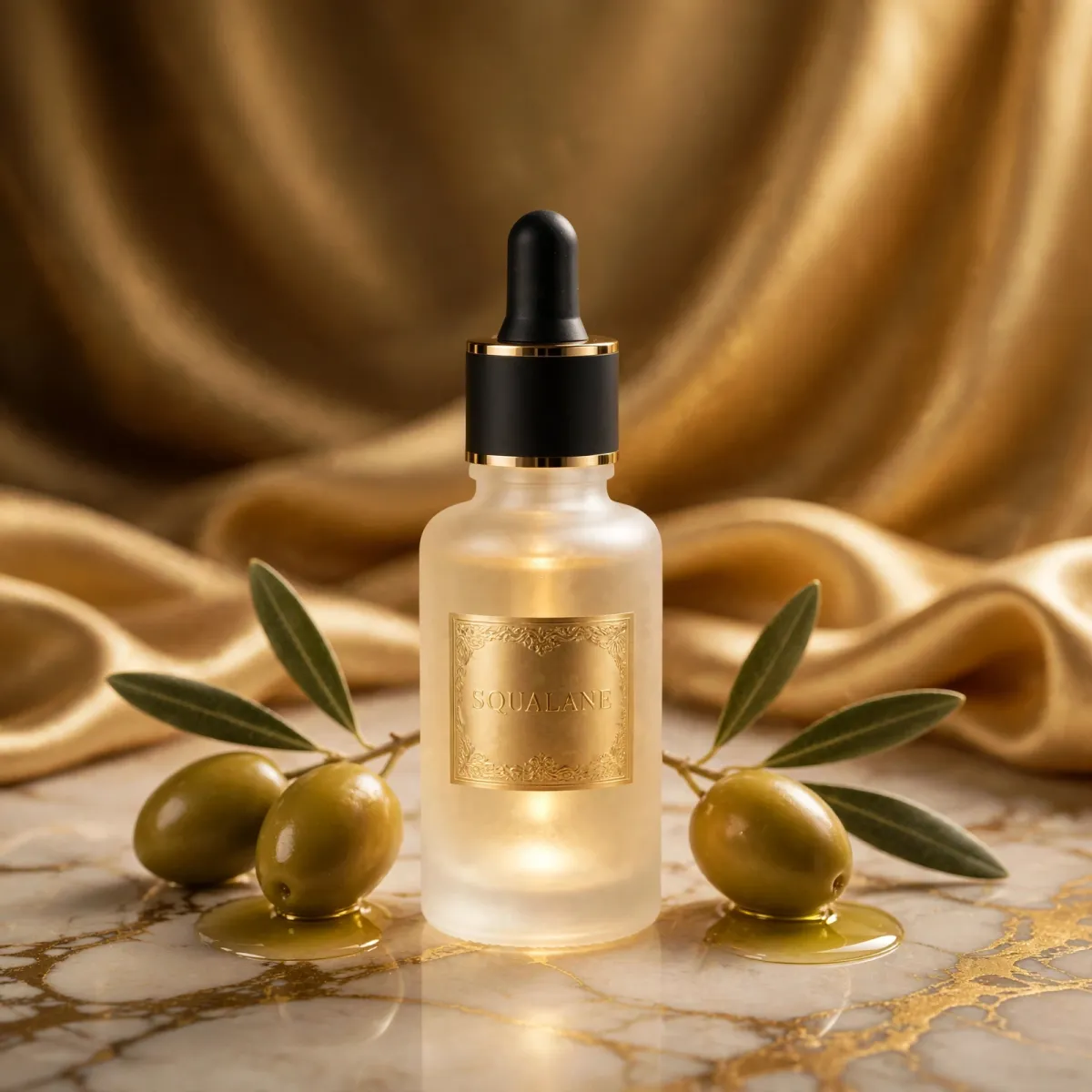
Squalane is a stable, lightweight lipid commonly used in moisturizers, facial oils, and other skincare products. It can soften dry skin and help reduce moisture loss, making it useful when the skin feels rough, tight, or dehydrated.
- Squalane is the hydrogenated, more oxidation-stable form of squalene.
- It works mainly as an emollient and can help soften dry, rough skin.
- Squalane may help reduce moisture loss when included in an appropriate skincare formula.
- It is generally considered a lightweight cosmetic ingredient, but no ingredient is guaranteed to suit every skin type.
- Barrier care usually works best as a complete routine rather than relying on one oil.
Squalene vs Squalane: What's the Difference?
Squalene is a naturally occurring lipid found in human sebum. Because it is chemically unsaturated and prone to oxidation, cosmetic formulations commonly use hydrogenated squalane instead.
Hydrogenation makes squalane more stable and suitable for topical formulations. Research on moisturizers describes squalane as an emollient that can contribute to skin hydration and softness. Moisturizing Different Racial Skin Types
How Squalane Supports Dry Skin
Dry skin can feel rough, tight, flaky, or uncomfortable when the outer skin barrier does not retain water effectively. Emollients such as squalane can fill spaces between surface skin cells and improve the feel and appearance of dryness.
Moisturizers work through several mechanisms, including emollient and occlusive effects that can influence water loss from the outer skin layer. Treatments Improving Skin Barrier Function
Does Squalane Repair the Skin Barrier?
“Barrier repair” is often used loosely in skincare marketing. Squalane can support a moisturizing routine, but it should not be described as independently rebuilding every component of a damaged skin barrier.
The stratum corneum depends on an organized mixture of lipids and other structures to regulate water loss and protect against external irritants. Skin Barrier Health: Regulation and Repair of the Stratum Corneum
Is Squalane Good for Sensitive Skin?
Squalane is generally used as a lightweight emollient, and research on cosmetic moisturization has reported low irritation and sensitization potential for squalane at typical concentrations. However, individual reactions remain possible.
If your skin is reactive, introduce a new product gradually and consider choosing a simple formula without unnecessary fragrance or multiple potentially irritating actives.
Can Squalane Clog Pores?
Squalane is often marketed as non-comedogenic, but “zero comedogenic risk” is too absolute. Whether a finished skincare product contributes to clogged pores depends on its complete formulation, concentration, and the individual user's skin.
If you are prone to acne, test the product on a small area first and stop using it if you consistently notice new congestion after introduction.
How to Use Squalane in a Skincare Routine
Squalane can be applied after water-based skincare products to help soften the skin and reduce moisture loss. A few drops are usually enough because adding more does not automatically produce better hydration.
It can also be incorporated into a moisturizer or used as the final lightweight oil step, depending on the formulation. Apply it to slightly damp skin or over moisturizer if that combination feels comfortable.
Squalane vs Other Barrier-Supporting Ingredients
Squalane is only one type of emollient. A comprehensive moisturizer may also contain humectants such as glycerin and barrier-associated lipids such as ceramides, cholesterol, and fatty acids.
Research on skin-barrier care emphasizes that moisturizer formulations can affect hydration and barrier function through multiple mechanisms, so the overall product matters more than a single headline ingredient. Exogenous Factors in Skin Barrier Repair
What the Science Says
Evidence supports the broader role of moisturizers and emollients in improving skin hydration and reducing the discomfort associated with dry skin. However, evidence for squalane specifically should not be exaggerated into claims that it can reverse skin aging or permanently repair damaged tissue.
Reviews of natural oils also emphasize that different oils have different fatty-acid profiles and barrier effects, reinforcing the need to evaluate individual ingredients rather than assuming every cosmetic oil works the same way. Natural Oils for Skin-Barrier Repair: Ancient Compounds Now Backed by Modern Science
Common Myths About Squalane
Myth: Squalane completely repairs a damaged skin barrier. Not by itself. It can support moisturization, while barrier care may require a broader routine and treatment of the underlying cause.
Myth: Squalane guarantees zero clogged pores. No skincare ingredient can make that guarantee for every person and every formulation.
Myth: More squalane means more hydration. Not necessarily. A few drops may be enough, and excessive application can leave some skin types feeling greasy.
Who Should Pay Attention?
Squalane may be useful if your skin frequently feels dry, rough, tight, or uncomfortable and you want a lightweight emollient. It can also be convenient for simplifying a routine because it works well alongside many basic moisturizing products.
If dryness is severe, persistent, painful, cracked, or associated with a rash, do not assume you simply need more oil. Conditions such as eczema, contact dermatitis, and other skin disorders may require professional evaluation.
Evidence Strength Summary
- Strong: Moisturizers and emollients can improve skin hydration and help manage dry skin.
- Moderate: Squalane functions as a lightweight emollient and can contribute to skin softness and moisture retention.
- Limited: Claims that squalane alone can fully restore a damaged skin barrier or reverse visible aging.
- Individual: Suitability depends on the complete formulation and personal skin response.
Bottom Line
Squalane is a useful, stable emollient that can make dry skin feel softer and more comfortable while supporting moisture retention. Its benefits are real, but marketing claims should not turn a simple moisturizing ingredient into a miracle barrier treatment.
Use a small amount as part of a well-rounded skincare routine, and choose the complete formulation based on your skin's needs. For persistent or severe skin problems, treating the underlying condition matters more than adding another facial oil.