Reviewed by the HyaluFlow Health Editorial Team | Published: May 28, 2026 | Last Updated: August 20, 2026
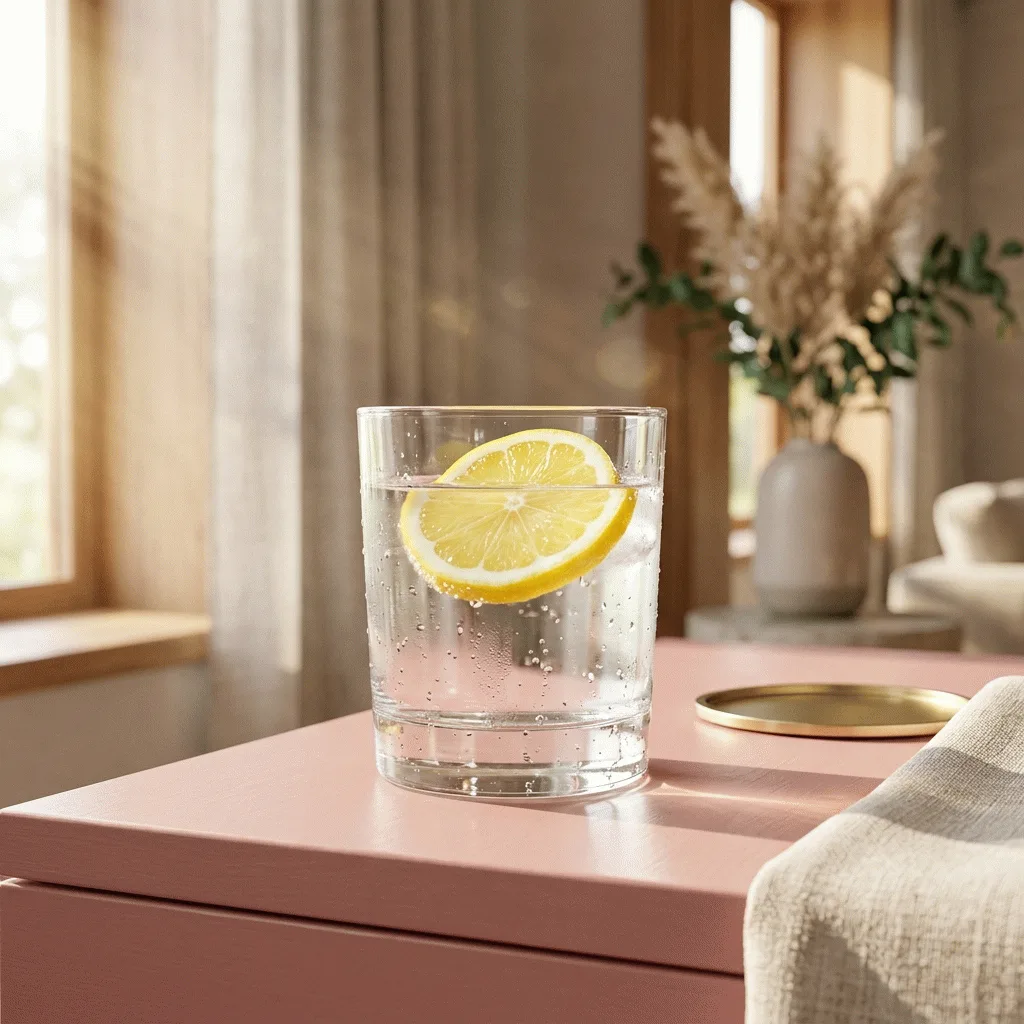
Water is essential for healthy skin, but drinking more does not automatically create flawless or younger-looking skin. The real science is more nuanced: adequate hydration supports normal skin function, while extra water may provide a modest benefit when fluid intake is low.
Quick Answer:
Yes, drinking enough water supports skin hydration, but it is not a standalone anti-aging treatment. A systematic review found that additional dietary water may modestly increase stratum corneum hydration, particularly in people who previously consumed less water. However, the researchers rated the overall evidence as limited. Akdeniz et al., 2018
Key Takeaways
- Water is essential for normal skin structure and barrier function.
- Increasing water intake may modestly improve skin hydration when intake was previously low.
- Total water includes fluids and water-rich foods, not just plain drinking water.
- Moisturizers directly help reduce water loss from the skin.
- There is no proven amount of water that prevents wrinkles.
Why Skin Needs Water
The outermost layer of skin, called the stratum corneum, needs sufficient water to maintain normal maturation and shedding. Natural moisturizing factors and intercellular lipids help hold water in this layer and limit transepidermal water loss.
When the skin barrier loses too much water, dryness, roughness, scaling, and discomfort can become more noticeable. Water is therefore fundamental to healthy skin physiology, but maintaining it inside the skin also depends on the barrier itself. Verdier-Sévrain & Bonté, 2007
Can Drinking Water Make Skin Glow?
It can help if you are not drinking enough, but the effect is unlikely to resemble a professional cosmetic treatment. The strongest available evidence suggests that increasing fluid intake may produce small improvements in skin hydration, dryness, roughness, and elasticity in some people.
Importantly, the 2018 systematic review found only six eligible studies and described the overall evidence as weak in quantity and methodological quality. That makes dramatic claims about drinking water for glowing skin difficult to justify. Akdeniz et al., 2018
How Much Water Do You Need?
There is no universal water target specifically for glowing skin. Your total water intake includes drinking water, other beverages, and water contained in food, while individual requirements vary with activity, climate, diet, and other factors.
The U.S. National Academies established Adequate Intake values for total water rather than a single mandatory amount for every person. Its guidance emphasizes that water needs are related to maintaining normal hydration and preventing dehydration. Institute of Medicine, 2005
What the Science Says About Skin Hydration
Controlled research suggests the relationship between drinking water and skin hydration is real but modest. The available studies do not establish that drinking substantially more water produces major improvements in wrinkles, firmness, or skin aging.
A 2024 randomized study comparing water intake and moisturizer use found that moisturizer application produced more favorable changes in skin barrier-related measures than increasing daily water consumption alone. This supports a practical distinction: drinking enough water supports the body, while topical moisturizers can directly influence the skin barrier. Seol et al., 2024
Common Myths About Water and Skin
- Myth: More water means fewer wrinkles. There is no strong clinical evidence that excessive water intake prevents or reverses facial wrinkles.
- Myth: Everyone needs exactly eight glasses. Hydration requirements vary, and total water includes food and other beverages.
- Myth: Water flushes toxins through your skin. The kidneys and liver perform major waste-processing functions; drinking excessive water does not create a special skin detox.
- Myth: You need salt or electrolytes in every glass. Most healthy people do not need added electrolytes for routine hydration.
Who Should Pay Attention?
People who routinely drink very little, exercise heavily, sweat substantially, or spend time in hot environments have greater reasons to monitor fluid intake. Hydration needs can also change with age and other individual factors.
If your skin remains persistently dry, itchy, flaky, or irritated despite adequate fluid intake, the problem may involve the skin barrier, environment, medications, or an underlying dermatological condition rather than simply not drinking enough water.
Evidence Strength Summary
Evidence strength: Moderate for the biological importance of water; limited for cosmetic benefits from increasing water intake. Research clearly supports water as essential for normal skin physiology, but evidence that deliberately drinking more water substantially improves wrinkles, firmness, or visible aging remains limited. Akdeniz et al., 2018
Bottom Line
Drinking enough water is a sensible foundation for overall health and normal skin function, but it is not a magic anti-aging skincare step. If your fluid intake is low, improving it may modestly improve skin hydration.
For visibly dry skin, think beyond the glass. Adequate fluid intake works alongside barrier-supporting skincare, particularly moisturizers that help reduce water loss from the skin. Seol et al., 2024
Research references: Akdeniz M. et al., Skin Research and Technology, 2018;24:459–465. doi:10.1111/srt.12454. Verdier-Sévrain S., Bonté F., Journal of Cosmetic Dermatology, 2007;6:75–82. doi:10.1111/j.1473-2165.2007.00300.x. Seol J.E. et al., Annals of Dermatology, 2024;36:145–150. doi:10.5021/ad.23.067. Institute of Medicine, Dietary Reference Intakes for Water, Potassium, Sodium, Chloride, and Sulfate, 2005. doi:10.17226/10925.