Reviewed by the HyaluFlow Health Editorial Team | Published: June 29, 2026 | Last Updated: August 29, 2026
Quick Answer: Lips become thinner with age as their skin, connective tissue, and supporting soft tissues change. UV exposure and tobacco can accelerate visible aging. SPF 30+ lip protection, moisturization, tobacco avoidance, and consistent care help protect their appearance.
Key Takeaways
- Lip volume and definition may decrease with age.
- Smoking is associated with premature skin aging and perioral lines.
- SPF 30+ lip protection helps reduce UV-related damage.
- Petrolatum, glycerin, and ceramides support dry lips and the skin barrier.
- Topical hyaluronic acid improves hydration but cannot restore lost volume.
Why Do Lips Thin With Age?
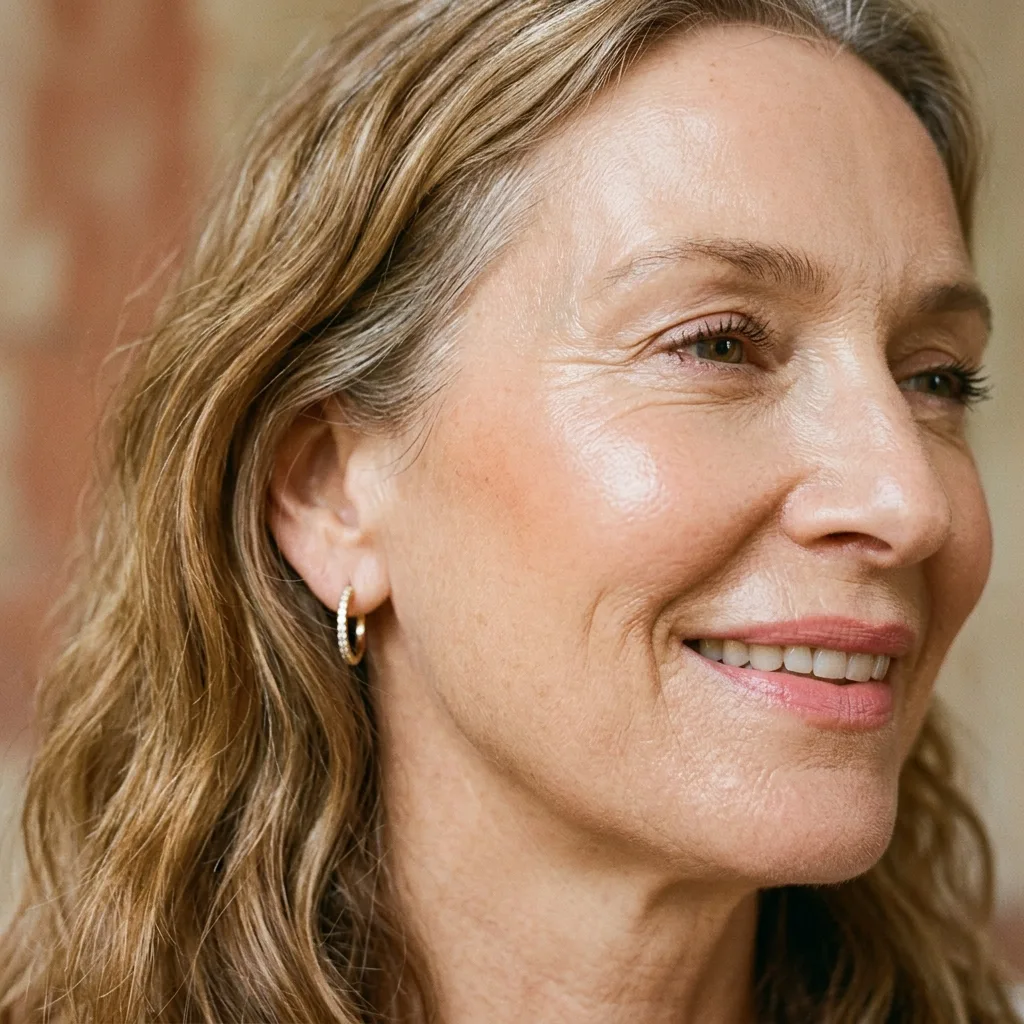
Age-related lip changes affect the vermilion, skin barrier, connective tissue, and soft-tissue distribution.
A 2025 review describes lips as structurally different from facial skin. Journal of Cosmetic Dermatology: Aging of the Human Lip
Histological research reports thinning of upper-lip skin and the orbicularis oris muscle with age. Plastic and Reconstructive Surgery: The Aging Lip
What Changes in Aging Lips?
| Feature | With Age |
|---|---|
| Volume | May decrease |
| Lip height | May decrease |
| Definition | Border may soften |
| Fine lines | May become more visible |
| Texture | Dryness may increase |
| Color | May become less vivid |
Research describes age-related vermilion changes, including reduced upper-lip blood-vessel density. Journal of Cosmetic Dermatology: Human Lip Vermilion Aging: Age-Related Changes in Lip Vasculature
Why Do Vertical Lip Lines Develop?
Perioral lines develop through aging, facial movement, reduced elasticity, tissue changes, UV exposure, and lifestyle factors. Smoking can accelerate premature skin aging, but nonsmokers can also develop these lines.
Best Ingredients for Aging Lips
Hyaluronic Acid
Topical hyaluronic acid improves hydration and surface smoothness. It may temporarily make dry lips appear fuller but cannot replace structural volume.
Ceramides, Glycerin, and Petrolatum
Glycerin attracts water; ceramides and petrolatum support the barrier and reduce moisture loss.
Peptides
Peptide results vary by formulation. A 2026 systematic review found potential benefits, but elasticity effects were inconsistent. Frontiers in Medicine: Oral and Topical Peptides for Skin Aging
Daily Lip Care Routine
Morning: Apply broad-spectrum SPF 30+ lip protection and reapply after eating, drinking, swimming, or prolonged outdoor exposure.
Chronic UV exposure damages lip tissue and is associated with actinic cheilitis. European Journal of Dermatology: Lip Photoprotection in Actinic Cheilitis
Evening: Use a bland, fragrance-free moisturizer containing petrolatum, glycerin, or ceramides. Avoid licking, picking, or peeling dry lips.
Habits That Accelerate Lip Aging
- Smoking tobacco
- Frequent unprotected sun exposure
- Skipping lip sunscreen
- Repeated lip licking
- Picking or peeling dry skin
- Using irritating fragrances or flavoring agents
Repeated wetting and drying can worsen irritation; tobacco and chronic UV exposure are avoidable damage sources.
Can Lifestyle Slow Lip Aging?
You cannot stop biological aging, but tobacco avoidance, UV protection, adequate nutrition, and treating persistent dryness reduce avoidable stress.
Be skeptical of supplements marketed as guaranteed anti-aging solutions. A 2025 meta-analysis found no clinical evidence supporting collagen supplements to prevent or treat skin aging. American Journal of Medicine: Effects of Collagen Supplements on Skin Aging
What the Science Says
Evidence indicates that lip aging results from intrinsic tissue changes combined with environmental exposure. The practical strategy is prevention: protect lips from UV, maintain the barrier, avoid tobacco, and treat persistent irritation instead of relying on unsupported plumping claims.
Common Myths
Myth: Only smokers get vertical lip lines.
Fact: Aging, UV exposure, facial movement, genetics, and tissue changes can affect anyone.
Myth: Lip balm permanently restores volume.
Fact: Hydration can temporarily improve smoothness but cannot replace lost volume.
Myth: Lips do not need sunscreen.
Fact: Exposed lip tissue benefits from UV protection.
Myth: Expensive products work better.
Fact: SPF and barrier-supporting ingredients matter more than price.
Who Should Pay Attention?
People with persistent dryness, increasing perioral lines, frequent sun exposure, or tobacco exposure should prioritize lip protection and barrier care.
Persistent scaling, crusting, bleeding, sores, or non-healing areas should be medically evaluated. Sun-related lower-lip changes can be associated with actinic cheilitis. European Journal of Dermatology: Actinic Cheilitis
Evidence Strength Summary
- Strong: Lip structure changes with age.
- Strong: UV exposure contributes to lip and skin damage.
- Strong: Tobacco is associated with premature skin aging.
- Moderate: Moisturizers support hydration and the skin barrier.
- Emerging: Some peptide formulations show anti-aging potential.
- Limited: Topical products cannot permanently restore lost lip volume.
- Insufficient: Collagen supplements are not proven to reverse lip aging.
Bottom Line
Lips thin with age because their skin, connective tissue, soft-tissue volume, and surrounding structures change over time. UV exposure and tobacco can accelerate visible aging.
The evidence-based approach is simple: use SPF 30+ on exposed lips, moisturize consistently, avoid tobacco, limit unnecessary UV exposure, and have persistent changes professionally assessed.