Quick Answer: You cannot stop aging, but you can slow many visible signs of premature aging. Scientific evidence shows that daily sunscreen use, regular exercise, quality sleep, a nutrient-rich diet, stress management, hydration, and avoiding smoking can help protect collagen, improve skin health, and support healthier aging over time.[1–8]
Key Takeaways
- Up to 80% of visible facial aging is linked to long-term UV exposure rather than natural aging alone.
- Healthy lifestyle habits often have a greater impact on aging than expensive skincare products.
- Daily sunscreen, exercise, quality sleep, and a balanced diet support healthier skin and overall longevity.
- Smoking, chronic stress, excessive alcohol, and poor sleep can accelerate biological aging.
- Consistency matters more than perfection. Small daily habits produce the greatest long-term results.
Introduction
What if the biggest reason your skin looks older isn't your age at all?
Many people spend hundreds of dollars on anti-aging creams, serums, supplements, and cosmetic treatments hoping to erase wrinkles and maintain youthful skin. While some products may improve skin appearance, research consistently shows that your daily lifestyle choices have a far greater influence on how your skin and body age than almost any single cosmetic product.
From sunlight exposure and sleep quality to nutrition, physical activity, stress levels, and smoking habits, every decision you make influences collagen production, inflammation, cellular repair, and overall skin health. Over time, these small daily choices accumulate, either protecting your skin or accelerating premature aging.[1][2]
The encouraging news is that many of the most effective anti-aging strategies are inexpensive, evidence-based, and accessible to almost everyone. Rather than chasing unrealistic promises, focusing on proven habits can improve not only your appearance but also your long-term health and quality of life.
This guide explains seven science-backed anti-aging habits that genuinely work, why they matter, and how to incorporate them into your daily routine.
Why Healthy Aging Is About More Than Wrinkles
Healthy aging extends beyond maintaining smooth skin. It involves preserving physical function, cognitive health, cardiovascular fitness, bone strength, and metabolic health as you grow older.
Researchers distinguish between chronological aging, which reflects the number of years you've lived, and biological aging, which describes how well your body's cells and organs continue to function. Lifestyle factors can significantly influence biological aging, meaning two people of the same age may experience very different health outcomes.[3]
Chronic inflammation, oxidative stress, excessive UV exposure, smoking, poor nutrition, and inadequate sleep all contribute to accelerated biological aging. Conversely, healthy daily habits help preserve collagen, reduce inflammation, improve DNA repair mechanisms, and support healthy cellular function throughout life.[4][5]
Science fact: Research suggests that environmental and lifestyle factors contribute more to visible skin aging than genetics alone, making daily habits one of the most powerful tools for healthier aging.[1][4]
1. Wear Sunscreen Every Day
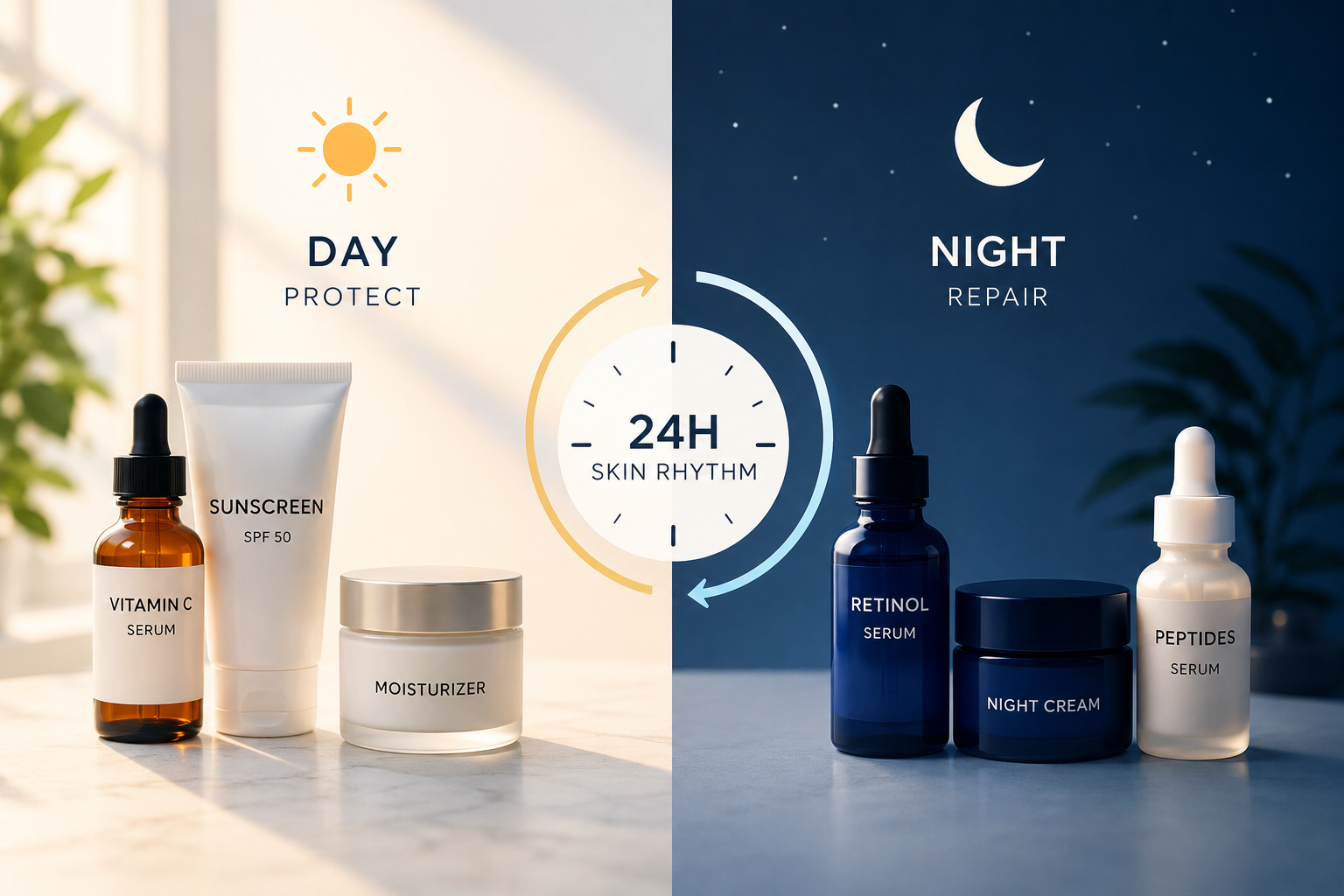
If there is one anti-aging habit supported by the strongest scientific evidence, it is daily sunscreen use.
Ultraviolet (UV) radiation from sunlight damages collagen and elastin fibers, increases oxidative stress, triggers DNA damage, and accelerates the development of wrinkles, fine lines, uneven pigmentation, and loss of skin elasticity. Dermatology research estimates that up to 80% of visible facial aging results from chronic sun exposure rather than natural aging alone.[1][6]
Broad-spectrum sunscreen protects against both UVA rays, which penetrate deeply and accelerate skin aging, and UVB rays, which are primarily responsible for sunburn. Daily use has been shown to reduce photoaging and lower the risk of skin cancer.[6][7]
How to maximize protection
- Use a broad-spectrum sunscreen with at least SPF 30 every day.
- Apply sunscreen to your face, neck, ears, and other exposed skin.
- Reapply every two hours during prolonged outdoor activities.
- Wear sunglasses, protective clothing, and seek shade during peak UV hours.
Even on cloudy days, up to 80% of UV rays can penetrate cloud cover, making year-round sun protection an essential part of every anti-aging routine.[6][8]
2. Prioritize Quality Sleep
If sunscreen protects your skin during the day, sleep repairs it at night. While you rest, your body increases tissue repair, produces collagen, balances hormones, and removes damaged cellular components that accumulate during the day.
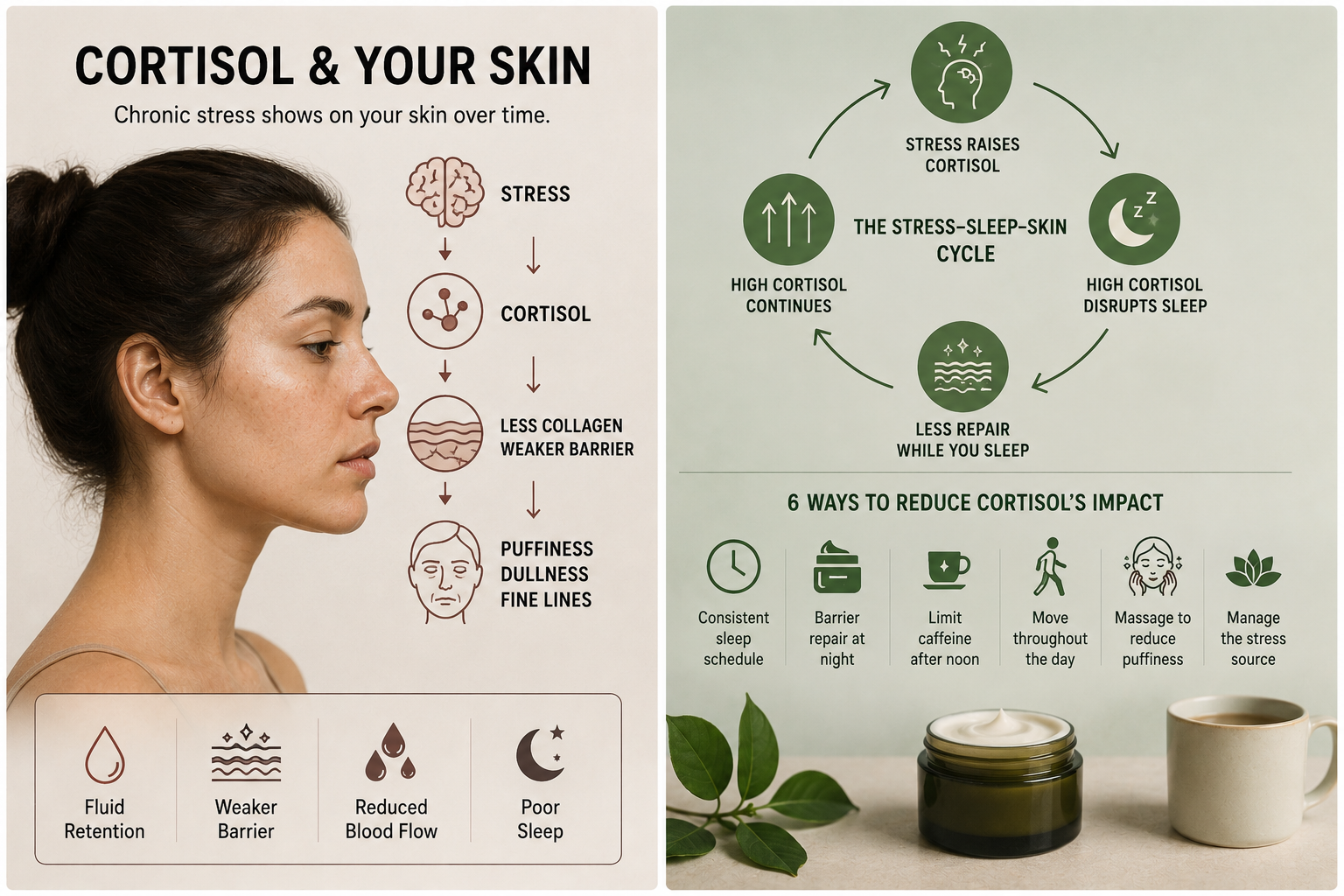
Adults who consistently sleep 7–9 hours per night generally experience better skin barrier function, faster recovery, and lower levels of inflammation than those with chronic sleep deprivation. Poor sleep has been linked to increased cortisol levels, impaired collagen production, slower wound healing, and more visible signs of skin aging.[9][10]
Research also shows that inadequate sleep can worsen dark circles, dullness, dehydration, and fine lines while reducing the skin's ability to recover from environmental stressors such as UV exposure and pollution.[9]
How to improve sleep quality
- Maintain a consistent bedtime and wake-up schedule.
- Aim for 7–9 hours of uninterrupted sleep each night.
- Limit caffeine late in the day.
- Avoid screens for at least one hour before bedtime.
- Keep your bedroom cool, quiet, and dark.
Science fact: Growth hormone, which plays an important role in tissue repair and collagen production, is released primarily during deep sleep, making quality sleep one of the body's most effective natural anti-aging mechanisms.[10]
3. Eat More Antioxidant-Rich Foods
Your skin reflects what you eat. A nutrient-rich diet supplies vitamins, minerals, healthy fats, and antioxidants that help protect cells from oxidative stress, one of the major drivers of premature aging.
Every day, your body produces unstable molecules called free radicals through normal metabolism, UV exposure, pollution, smoking, and chronic stress. When free radicals outnumber your body's natural defenses, they damage collagen, elastin, DNA, and cell membranes. This process is known as oxidative stress.[11][12]
Antioxidants help neutralize free radicals before they damage healthy cells. Research consistently associates diets rich in fruits, vegetables, legumes, nuts, whole grains, and healthy fats with healthier skin and improved long-term health outcomes.[11][13]
Foods that support healthy aging
- Berries rich in anthocyanins and vitamin C.
- Leafy green vegetables such as spinach and kale.
- Tomatoes containing lycopene.
- Nuts and seeds that provide vitamin E and healthy fats.
- Fatty fish rich in omega-3 fatty acids.
- Beans and legumes.
- Extra virgin olive oil.
- Green tea containing polyphenols.
Vitamin C deserves particular attention because it is essential for collagen synthesis. Without adequate vitamin C, your body cannot efficiently produce or maintain healthy collagen fibers.[14]
Limit foods that accelerate aging
Highly processed foods, sugar-sweetened beverages, excessive refined carbohydrates, and diets high in saturated fats may increase inflammation and promote the formation of advanced glycation end products (AGEs). These compounds stiffen collagen fibers, reducing skin elasticity and contributing to wrinkles over time.[12][15]
Following a Mediterranean-style eating pattern, which emphasizes vegetables, fruits, whole grains, healthy fats, legumes, fish, and moderate dairy intake, has repeatedly been associated with healthier aging, lower chronic disease risk, and improved skin health.[13]
4. Stay Physically Active
Exercise is one of the most effective anti-aging interventions supported by modern medical research. Regular physical activity improves blood circulation, supports cardiovascular health, preserves muscle mass, strengthens bones, reduces chronic inflammation, and helps maintain healthier skin.
As blood flow increases during exercise, more oxygen and nutrients reach skin cells, supporting tissue repair and collagen production. Exercise also helps regulate blood sugar, reduce oxidative stress, and improve insulin sensitivity, factors that influence both biological aging and skin health.[16][17]
Strength training deserves special attention because adults naturally lose muscle mass after the age of 30, a process known as sarcopenia. Preserving lean muscle supports metabolism, posture, mobility, and healthy aging while improving overall body composition.[18]
A balanced weekly exercise routine includes:
- At least 150 minutes of moderate aerobic activity each week.
- Strength training two or more days per week.
- Flexibility and mobility exercises.
- Balance training, especially for older adults.
- Daily walking to reduce sedentary time.
Even moderate activities such as brisk walking, cycling, swimming, or resistance-band exercises can improve long-term health when performed consistently.[17][18]
5. Keep Your Skin Hydrated
Hydrated skin generally appears smoother, healthier, and more resilient. Although drinking extra water alone cannot erase wrinkles, maintaining adequate hydration supports normal skin function and helps preserve the skin barrier.
The outermost layer of the skin, known as the stratum corneum, acts as a protective barrier against water loss, irritants, and environmental damage. When this barrier becomes compromised, the skin may feel rough, tight, flaky, and more prone to irritation. Proper hydration and regular moisturizing help maintain barrier integrity and improve overall skin appearance.[19][20]
Moisturizers containing ingredients such as ceramides, glycerin, hyaluronic acid, and urea help reduce transepidermal water loss by attracting and retaining moisture within the skin.[20]
Hydration tips for healthier skin
- Drink water regularly throughout the day.
- Eat water-rich foods such as cucumbers, watermelon, oranges, and strawberries.
- Apply moisturizer immediately after bathing while skin is still slightly damp.
- Choose fragrance-free moisturizers if you have sensitive skin.
- Use a humidifier during dry winter months if indoor air is very dry.
| Habit | Primary Anti-Aging Benefit | Strength of Evidence |
|---|---|---|
| Daily sunscreen | Protects collagen and prevents photoaging | Strong |
| Quality sleep | Supports overnight skin repair | Strong |
| Antioxidant-rich diet | Reduces oxidative stress | Strong |
| Regular exercise | Improves circulation and healthy aging | Strong |
| Proper hydration | Supports skin barrier function | Moderate to Strong |
Key insight: No moisturizer or supplement can replace healthy lifestyle habits. Daily sun protection, balanced nutrition, regular exercise, quality sleep, and consistent skincare work together to produce the greatest long-term anti-aging benefits.[1][16][20]
6. Manage Stress Levels
Stress is a normal part of life, but chronic stress can accelerate biological aging. When stress becomes persistent, the body releases higher levels of cortisol, a hormone that helps regulate the stress response. Prolonged elevation of cortisol is associated with increased inflammation, impaired skin barrier function, slower wound healing, collagen breakdown, and reduced skin elasticity.[21][22]
Chronic psychological stress may also contribute to oxidative stress, shorten telomeres (protective structures at the ends of chromosomes), and accelerate cellular aging. Although aging cannot be prevented entirely, managing stress helps reduce many of these harmful effects.[22][23]
Simple ways to reduce daily stress
- Practice mindfulness or meditation for 10–20 minutes daily.
- Exercise regularly to improve mood and reduce cortisol.
- Spend time outdoors and in natural environments.
- Maintain strong social relationships with family and friends.
- Practice deep breathing, yoga, or relaxation exercises.
- Limit excessive screen time before bed.
Small stress-management habits performed consistently often produce greater long-term benefits than occasional intensive relaxation sessions.
7. Avoid Smoking and Excessive Alcohol
Few lifestyle habits accelerate visible aging as dramatically as smoking. Tobacco smoke contains thousands of chemicals that damage collagen and elastin, reduce blood flow to the skin, increase oxidative stress, and delay tissue repair. Over time, smoking contributes to deeper wrinkles, uneven skin tone, slower healing, and premature skin aging.[24][25]
Excessive alcohol consumption can also negatively affect healthy aging by increasing dehydration, disrupting sleep quality, promoting inflammation, and impairing normal skin barrier function. Heavy alcohol intake has additionally been linked to higher risks of liver disease, cardiovascular disease, and several cancers.[26]
Reducing or eliminating smoking and limiting alcohol intake are among the most effective lifestyle changes for improving both skin appearance and long-term health.
What the Science Says
Modern aging research consistently demonstrates that no single cream, supplement, or cosmetic treatment can replace healthy daily habits. Large observational studies and clinical research show that individuals who protect their skin from ultraviolet radiation, maintain regular physical activity, eat nutrient-rich diets, avoid smoking, manage stress, and prioritize quality sleep generally experience healthier aging than those who do not.[1][4][16][24]
Researchers also emphasize that healthy aging is cumulative. Small habits practiced consistently over years produce far greater benefits than occasional intensive skincare routines or short-term lifestyle changes.
Common Myths About Anti-Aging
- Myth: Expensive skincare products reverse aging.
Fact: Lifestyle habits and sun protection have a greater impact on long-term skin health than product price. - Myth: Wrinkles are caused only by getting older.
Fact: Long-term UV exposure, smoking, poor sleep, and lifestyle factors significantly contribute to premature aging. - Myth: Drinking more water alone removes wrinkles.
Fact: Hydration supports healthy skin, but sunscreen, nutrition, sleep, and overall skincare remain essential. - Myth: Anti-aging only matters after age 50.
Fact: Preventive habits started in early adulthood provide the greatest long-term benefits.
Who Should Pay Attention?
Everyone benefits from healthy aging habits, but certain groups may benefit even more from adopting these strategies early.
- Adults over 30, when natural collagen production gradually begins to decline.
- People with frequent sun exposure due to work or outdoor activities.
- Individuals who smoke or recently quit smoking.
- People experiencing chronic stress or poor sleep.
- Anyone seeking to reduce the risk of premature skin aging and support long-term wellness.
Evidence Strength Summary
| Habit | Evidence |
|---|---|
| Daily sunscreen | Strong - Supported by dermatology guidelines and long-term clinical studies. |
| Quality sleep | Strong - Consistently associated with improved skin repair and overall health. |
| Regular exercise | Strong - Supported by extensive clinical and epidemiological research. |
| Healthy diet | Strong - Consistently linked with healthier aging and reduced chronic disease risk. |
| Hydration and moisturization | Moderate - Supports skin barrier function and appearance. |
| Stress management | Moderate to Strong - Growing evidence supports benefits for healthy aging. |
| Avoiding smoking and excessive alcohol | Strong - Supported by decades of public health and medical research. |
Bottom Line
There is no miracle product that can stop aging. However, decades of scientific research demonstrate that healthy daily habits can significantly reduce premature skin aging while supporting better cardiovascular health, brain function, mobility, and overall longevity.
Applying sunscreen every day, eating a nutrient-rich diet, staying physically active, sleeping well, managing stress, keeping your skin hydrated, and avoiding smoking provide benefits that extend far beyond your appearance. The earlier these habits become part of your routine, the greater their long-term impact on healthy aging.[1–26]
References
- Gilchrest BA. Skin aging 2003: Recent advances and current concepts. Cutis. 2003;72(5 Suppl):5-10.
- López-Otín C, Blasco MA, Partridge L, Serrano M, Kroemer G. The Hallmarks of Aging. Cell. 2013;153(6):1194-1217.
- López-Otín C, Blasco MA, Partridge L, Serrano M, Kroemer G. Hallmarks of Aging: An Expanding Universe. Cell. 2023;186(2):243-278.
- Hughes MCB, Williams GM, Baker P, Green AC. Sunscreen and Prevention of Skin Aging. Annals of Internal Medicine. 2013;158(11):781-790.
- Oyetakin-White P, Suggs A, Koo B, et al. Does Poor Sleep Quality Affect Skin Ageing? Clinical and Experimental Dermatology. 2015;40(1):17-22.
- Pullar JM, Carr AC, Vissers MCM. The Roles of Vitamin C in Skin Health. Nutrients. 2017;9(8):866.
- Rawlings AV, Harding CR. Moisturization and Skin Barrier Function. Dermatologic Therapy. 2004;17(Suppl 1):43-48.
- Morita A. Tobacco Smoke Causes Premature Skin Aging. Journal of Dermatological Science. 2007;48(3):169-175.
- Cruz-Jentoft AJ, Bahat G, Bauer J, et al. Sarcopenia: Revised European Consensus on Definition and Diagnosis. Age and Ageing. 2019;48(1):16-31.
- World Health Organization. Healthy Ageing. World Health Organization.
- American Academy of Dermatology Association. Sunscreen FAQs and Sun Protection Recommendations.
- Centers for Disease Control and Prevention. Sun Safety.