Selecting Your Anti-Aging Protocol
In the quest for skin longevity, two ingredients stand out for their ability to target wrinkles, improve texture, and restore firmness: Retinol and Copper Peptides. While both ingredients support collagen production, they work through different biological pathways and suit different skin types.
Retinol: The Cellular Renewal Engine
Retinol, a derivative of Vitamin A, is a widely studied anti-aging ingredient. It works by accelerating cellular turnover, encouraging the shedding of dead skin cells and the production of new ones. This process helps smooth fine lines, fade hyperpigmentation, and improve overall skin clarity.
Copper Peptides: The Healing Messengers
Copper Peptides (GHK-Cu) are naturally occurring complexes that play a key role in wound healing and tissue repair. Rather than relying on cellular turnover, they act as signaling agents that encourage fibroblasts to produce collagen and elastin while soothing inflammation.
"While retinol promotes renewal through turnover, copper peptides support the skin's natural repair systems, offering a gentler path to firm skin."
Comparing Key Factors
Consider these factors when choosing between them:
- Skin Sensitivity: Copper Peptides are generally well-tolerated and can be used on sensitive skin, whereas Retinol can cause temporary dryness and irritation.
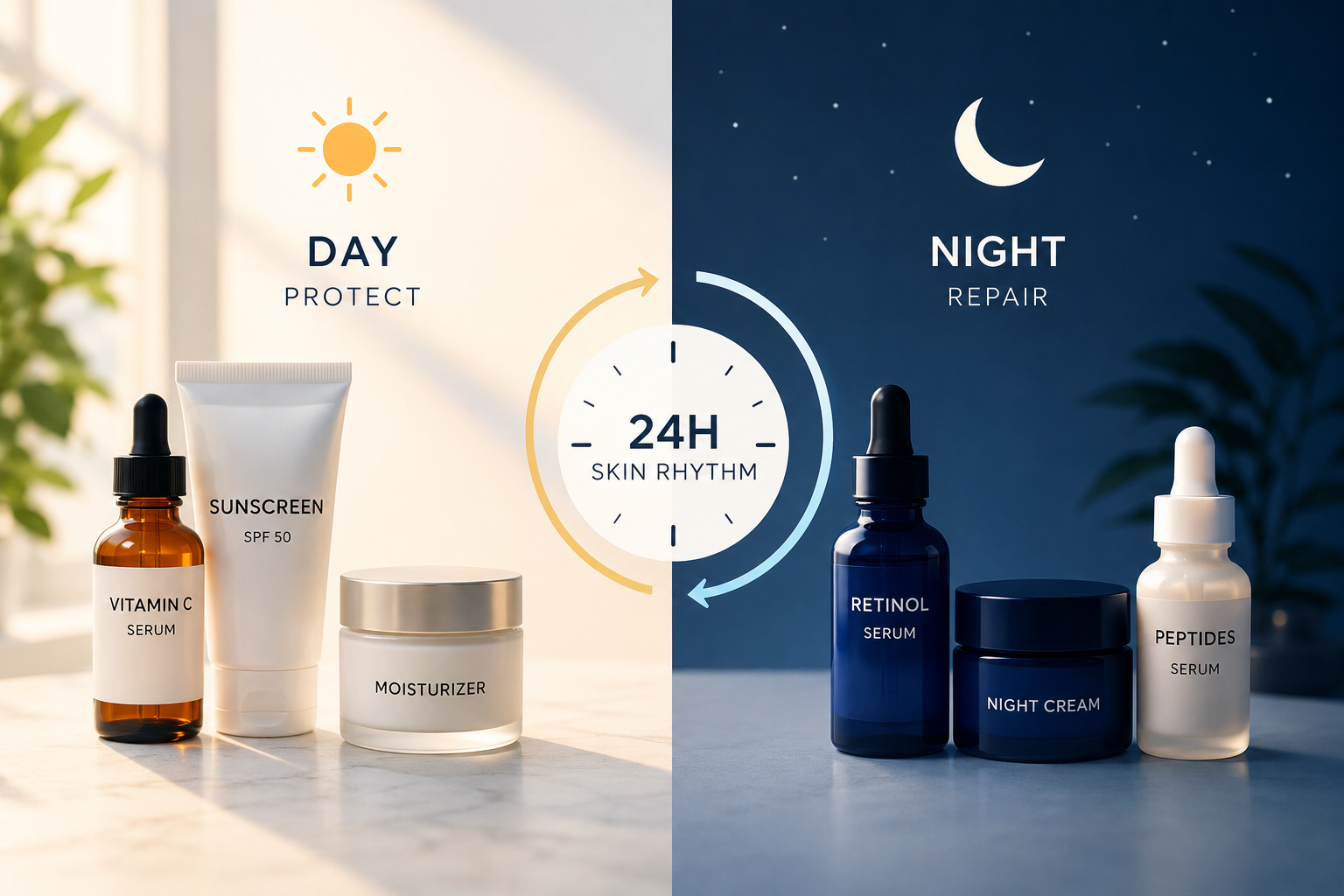
- Day vs. Night: Retinol is sensitive to sunlight and should be used at night, while Copper Peptides can be applied in both morning and evening routines.