Medically reviewed by the HyaluFlow Health Editorial Team | Published: August 3, 2026 | Last Updated: August 3, 2026
Quick Answer
Exosome therapy shows promising early results for treating androgenetic alopecia (pattern hair loss). Studies suggest it may improve hair density, hair thickness, and scalp health by delivering growth factors and signaling molecules to hair follicles. However, current evidence is still limited, and larger clinical trials are needed before exosome therapy can be considered a standard treatment.
Key Takeaways
- Exosomes are tiny extracellular vesicles that help cells communicate.
- They contain proteins, growth factors, messenger RNA, and microRNA that may support hair follicle repair.
- Early clinical studies report improvements in hair density and hair thickness.
- Research remains limited, and treatment protocols vary between clinics.
- Exosome therapy should not replace proven hair loss treatments without medical advice.
Table of Contents
- Why Exosomes Are Becoming Popular
- What Are Exosomes?
- How Exosomes May Help Hair Grow
- What Current Research Shows
- Who May Benefit Most
- Exosomes vs PRP
- Safety and Side Effects
- What the Science Says
- Common Myths
- Bottom Line
Why Is Everyone Talking About Exosome Therapy?
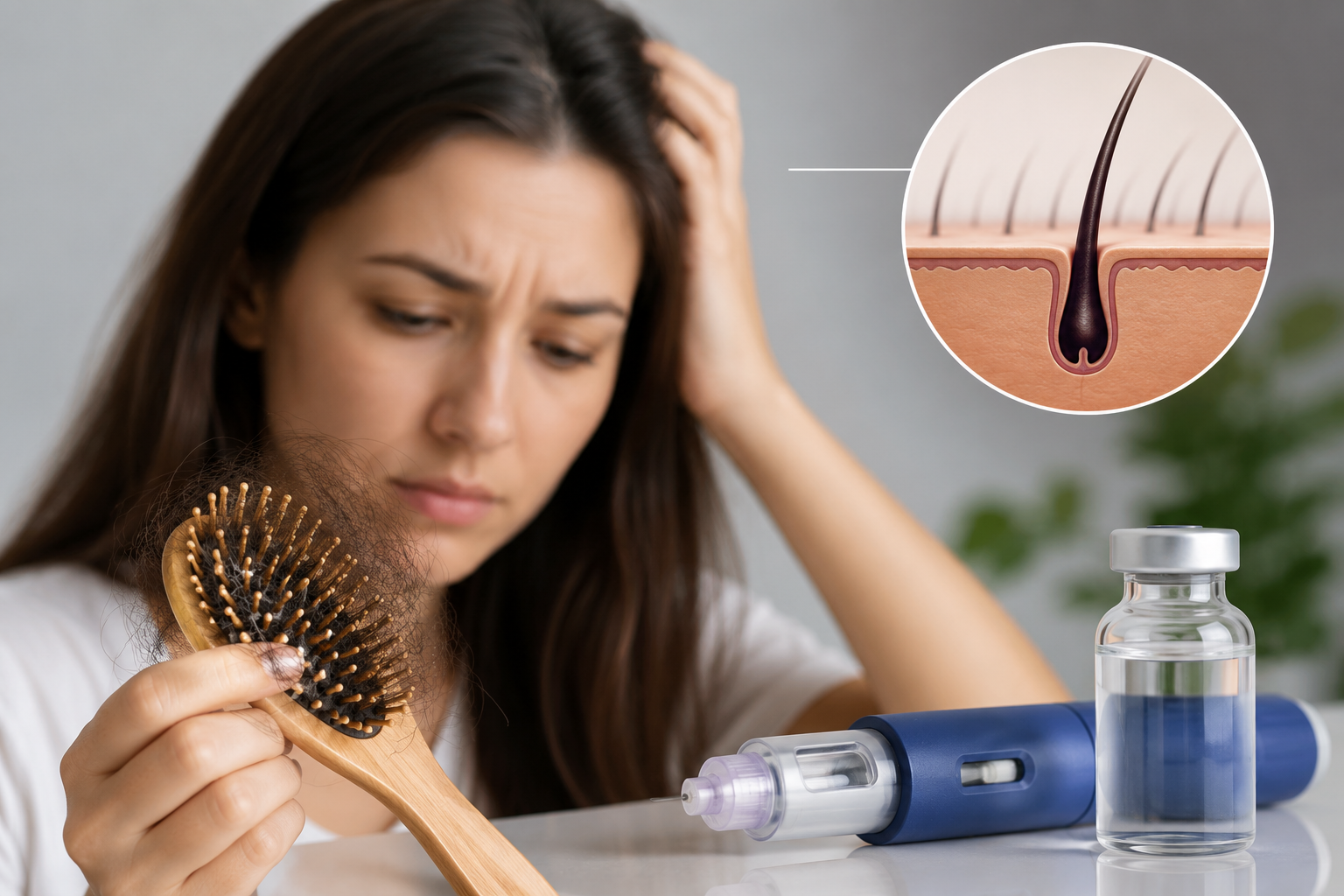
Hair loss affects millions of men and women worldwide.
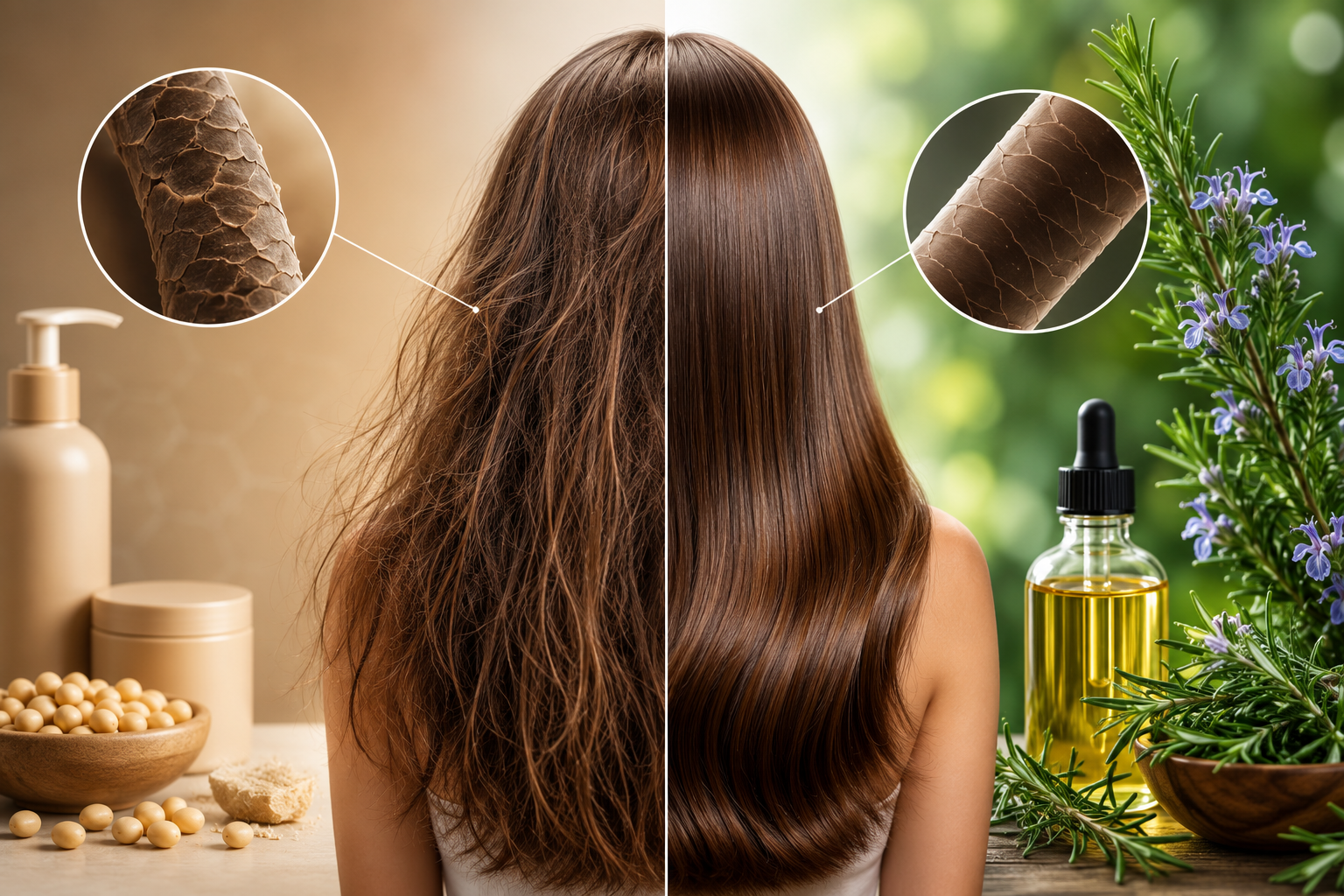
Many people try shampoos, supplements, oils, and home remedies with little success.
Prescription medicines such as minoxidil and finasteride can help, but they do not work for everyone.
That has created growing interest in regenerative treatments.
One of the newest options is exosome therapy for hair loss.
Clinics describe it as the next generation of hair restoration.
Some even claim it works better than platelet-rich plasma (PRP).
Those claims sound impressive.
But marketing is not the same as scientific evidence.
Before spending thousands of dollars, it is important to understand what exosomes are, how they work, and what current medical studies actually show.
What Are Exosomes?
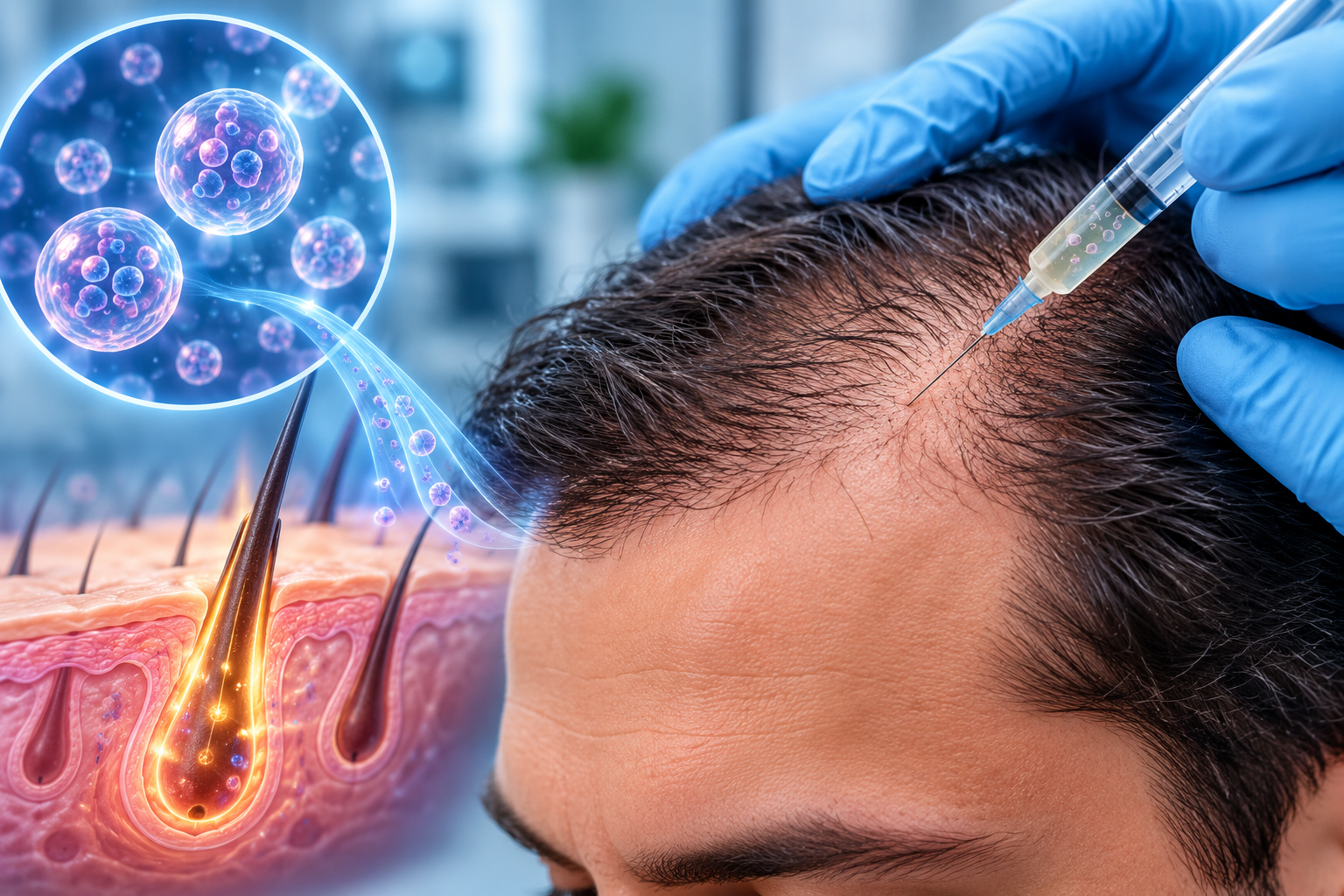
Exosomes are tiny extracellular vesicles naturally released by cells.
They are thousands of times smaller than a human cell.
Instead of becoming new tissue, they act like biological messengers.
These microscopic particles carry proteins, lipids, growth factors, messenger RNA (mRNA), and microRNA between cells.
This communication helps regulate inflammation, tissue repair, wound healing, and cell regeneration.
Researchers believe these same signals may also support healthier hair follicles.
Unlike stem cell therapy, exosome therapy does not inject living cells.
Instead, it delivers the signaling molecules produced by those cells.
Many scientists believe this may reduce some of the risks associated with live-cell therapies while still providing regenerative benefits.
Research: Exosomes play an important role in tissue repair and cell-to-cell communication, making them a promising area of regenerative medicine research (Pegtel DM, Gould SJ. Annual Review of Biochemistry, 2019).
How Could Exosomes Help Hair Growth?
Healthy hair follicles constantly move through three stages.
- Anagen (growth phase)
- Catagen (transition phase)
- Telogen (resting phase)
Pattern hair loss develops when follicles gradually shrink.
The growth phase becomes shorter.
Each new hair becomes thinner until the follicle produces little or no visible hair.
Laboratory studies suggest exosomes may interrupt this process.
Researchers believe they work by sending biological signals that encourage damaged follicles to function more normally.
Current evidence suggests exosomes may:
- Stimulate dermal papilla cells that regulate hair growth.
- Reduce inflammation around hair follicles.
- Increase blood vessel formation to improve nutrient delivery.
- Support collagen production in surrounding scalp tissue.
- Activate Wnt/β-catenin signaling, an important pathway involved in hair follicle regeneration.
- Reduce oxidative stress that may contribute to follicle damage.
These effects have been demonstrated mainly in laboratory and animal studies.
Human research is encouraging but remains limited.
Research: Experimental studies have shown that exosomes derived from mesenchymal stem cells may stimulate hair follicle regeneration through multiple molecular pathways (Zhou Y et al. Stem Cell Research & Therapy, 2024).
What Does Current Research Show?
Exosome therapy has generated significant interest in regenerative medicine.
However, the scientific evidence is still developing.
Most published studies involve fewer than 100 participants.
Many also lack long-term follow-up.
That means promising results should be interpreted with caution.
Even so, several clinical studies have reported meaningful improvements in hair growth.
Researchers have observed increases in:
- Hair density.
- Hair shaft thickness.
- Hair count.
- Overall scalp coverage.
- Patient satisfaction.
Most participants began noticing visible improvements between three and six months after treatment.
Results generally continued improving as healthier hair completed its natural growth cycle.
One important limitation is that different clinics use different exosome products.
The concentration, source, manufacturing process, storage conditions, and injection techniques vary widely.
This makes it difficult to compare results across studies.
Researchers also point out that there is currently no universal standard for exosome therapy in hair restoration.
Until standardized protocols become available, treatment outcomes may differ from one clinic to another.
Research: A 2025 review concluded that exosome-based therapies show encouraging early results for androgenetic alopecia, but emphasized the need for larger randomized controlled trials before routine clinical use (Journal of Cosmetic Dermatology, 2025).
Who May Benefit Most?
Exosome therapy is not suitable for every type of hair loss.
Current evidence suggests the best outcomes occur in people whose hair follicles are still alive.
If follicles have completely disappeared, no injection can bring them back.
People who may benefit include:
- Men with androgenetic alopecia.
- Women with female pattern hair loss.
- People experiencing early hair thinning.
- Patients with diffuse hair shedding after recovery from illness or stress.
- Individuals looking to improve the results of PRP or hair transplantation.
People with advanced baldness usually experience more modest improvements.
Exosomes cannot create new hair follicles.
They can only support follicles that are still present.
Exosomes vs PRP: Which Works Better?
| Feature | Exosome Therapy | PRP Therapy |
|---|---|---|
| Source | Cell-derived extracellular vesicles | Your own blood platelets |
| Growth Factors | Very high | Moderate |
| Preparation | Prepared product | Blood drawn before treatment |
| Typical Sessions | 1–3 | 3–6 |
| Clinical Evidence | Growing but limited | Moderate |
| FDA Approved for Hair Loss | No | No |
PRP has been studied for much longer.
It also has more clinical evidence supporting its use.
Exosomes may eventually prove more effective.
At present, there is not enough high-quality evidence to confidently say they outperform PRP.
Some clinics combine both treatments.
Researchers are still investigating whether combination therapy produces better long-term results.
How Long Does It Take to See Results?
Hair grows slowly.
Even if treatment works, improvements are not immediate.
Most people notice reduced shedding first.
This often happens within the first two to three months.
Visible improvements in density usually appear between three and six months.
Maximum results may take six to twelve months.
The exact timeline depends on:
- Your age.
- The cause of hair loss.
- The severity of follicle damage.
- Your overall health.
- Whether other treatments are used alongside exosomes.
Because androgenetic alopecia is a progressive condition, maintenance treatments may eventually be required.
Researchers have not yet established the ideal treatment schedule.
Is Exosome Therapy Safe?
Current studies suggest exosome therapy is generally well tolerated when performed by qualified medical professionals using properly manufactured products.
Most reported side effects are mild and temporary.
They usually disappear within a few days.
Common side effects include:
- Mild pain at the injection site.
- Temporary redness.
- Scalp swelling.
- Tenderness.
- Minor bruising.
Serious complications appear to be uncommon in published studies.
However, exosome therapy is still relatively new.
Long-term safety data are limited.
Another concern is product quality.
Not all clinics use exosomes manufactured under the same standards.
Some products may contain poorly characterized biological material or lack independent quality testing.
Choosing a reputable clinic is just as important as choosing the treatment itself.
Research: Reviews in regenerative medicine highlight that standardized manufacturing, quality control, and regulatory oversight remain major challenges for clinical exosome therapies (Nature Reviews Bioengineering, 2024).
Who Should Avoid Exosome Therapy?
Exosome therapy may not be appropriate for everyone.
You should discuss treatment with a qualified dermatologist before making a decision.
Extra caution may be needed if you have:
- An active scalp infection.
- Autoimmune diseases affecting the scalp.
- Certain cancers or a recent history of cancer.
- Uncontrolled diabetes.
- Pregnancy or breastfeeding.
- Known allergies to ingredients used during the procedure.
The ideal candidate should be determined after a medical evaluation rather than an online consultation.
How Much Does Exosome Therapy Cost?
Exosome therapy is one of the more expensive hair restoration treatments.
Prices vary depending on the clinic, country, product used, and the number of sessions required.
| Country | Typical Cost Per Session |
|---|---|
| United States | US$2,000–5,000 |
| United Kingdom | £1,500–3,000 |
| United Arab Emirates | AED 5,000–12,000 |
| Pakistan | PKR 120,000–350,000* |
*Prices are approximate and vary by clinic and treatment protocol.
Because exosome therapy is considered a cosmetic procedure, health insurance usually does not cover the cost.
What the Science Says
The current scientific evidence is promising but not conclusive.
Laboratory studies consistently show that exosomes can stimulate pathways involved in hair follicle growth and tissue repair.
Small human studies have also reported improvements in hair density and thickness.
However, experts continue to highlight several limitations.
- Most studies include small sample sizes.
- Follow-up periods are often short.
- Treatment protocols differ between clinics.
- There is no universally accepted exosome product.
- Large randomized controlled trials are still lacking.
For these reasons, major dermatology guidelines have not yet recommended exosome therapy as a first-line treatment for androgenetic alopecia.
Instead, many experts consider it an emerging regenerative treatment with encouraging early evidence that still requires further validation.
Common Myths About Exosome Therapy
Myth: Exosomes grow brand-new hair follicles.
Fact: Current evidence suggests exosomes support existing follicles. They do not create new follicles where none remain.
Myth: One treatment permanently cures hair loss.
Fact: Pattern hair loss is a long-term condition. Maintenance treatment may still be necessary.
Myth: Exosomes are FDA-approved for treating hair loss.
Fact: There is currently no FDA-approved exosome product specifically indicated for hair loss treatment.
Myth: Exosomes always work better than PRP.
Fact: Early research is encouraging, but there is not enough high-quality evidence to conclude that exosomes consistently outperform PRP.
Bottom Line
Exosome therapy is one of the most exciting developments in regenerative hair restoration.
Early research suggests it may improve hair density, thickness, and overall scalp health, particularly in people with early-stage androgenetic alopecia.
However, the treatment is still evolving.
Current evidence remains limited, and standardized clinical protocols have not yet been established.
If you are considering exosome therapy, choose an experienced medical professional and maintain realistic expectations.
For now, exosomes should be viewed as a promising emerging option rather than a proven replacement for established hair loss treatments.
References
- Pegtel DM, Gould SJ. Exosomes. Annu Rev Biochem. 2019;88:487-514.
- Zhou Y, et al. Exosome-based therapy for hair regeneration. Stem Cell Research & Therapy. 2024.
- Journal of Cosmetic Dermatology. Exosome therapy for androgenetic alopecia: A systematic review. 2025.
- Nature Reviews Bioengineering. Clinical translation of extracellular vesicle therapies. 2024.
- Rossi A, et al. Androgenetic alopecia: Current and emerging therapies. Journal of Clinical Medicine. 2024.
- International Society of Hair Restoration Surgery (ISHRS). Emerging regenerative treatments for hair loss.