Azelaic Acid: What It Treats, What Strength You Need, and How to Use It
Azelaic acid can calm rosacea, ease mild acne and fade dark marks, but results are slow and strength matters. Here is what trials show, who it suits and how to use it.
Senior Skincare Expert
Lily is a skincare writer at HyaluFlow, specializing in evidence-based skincare, anti-aging routines, ingredient research, and healthy beauty practices. She creates in-depth, easy-to-understand guides that help readers make informed decisions about skin health and wellness.
Azelaic acid can calm rosacea, ease mild acne and fade dark marks, but results are slow and strength matters. Here is what trials show, who it suits and how to use it.
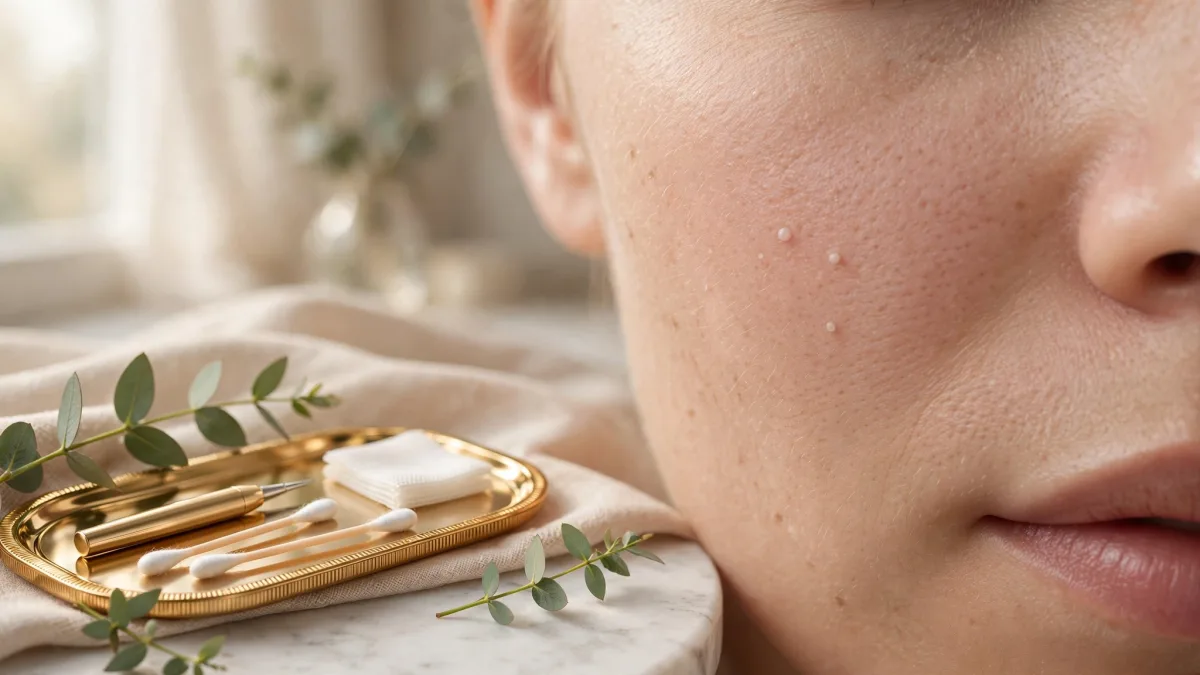
Milia removal usually involves professional extraction when these small, harmless cysts do not clear on their own. Learn what causes milia, which treatments work, why squeezing them can cause problems, and how to reduce new bumps.
Retinol for beginners is best approached slowly. Learn what retinol does, how to introduce it, how often to use it, what products to combine with it, how to reduce irritation, and when retinol should be avoided.
A salicylic acid cleanser can help remove excess oil, unclog pores and improve acne-prone skin, particularly blackheads and whiteheads. Learn how it works, how often to use it, possible side effects, and how to fit it into a skincare routine.
The best skincare products for dry skin focus on restoring moisture and supporting the skin barrier rather than simply adding temporary hydration. Learn which cleansers, moisturizers, serums, sunscreens, and ingredients can make a dry-skin routine more effective.
Does sunscreen expire? Yes. Sunscreen can lose its stability and effectiveness over time, which is why expired sunscreen should be discarded. Learn how to check expiration dates, recognize changes in the product, and store sunscreen properly.
K-beauty is reshaping U.S. skincare in 2026, with PDRN, barrier care, peptides, overnight masks, and scalp-focused routines gaining attention. Here’s what is genuinely promising and what still needs stronger evidence.
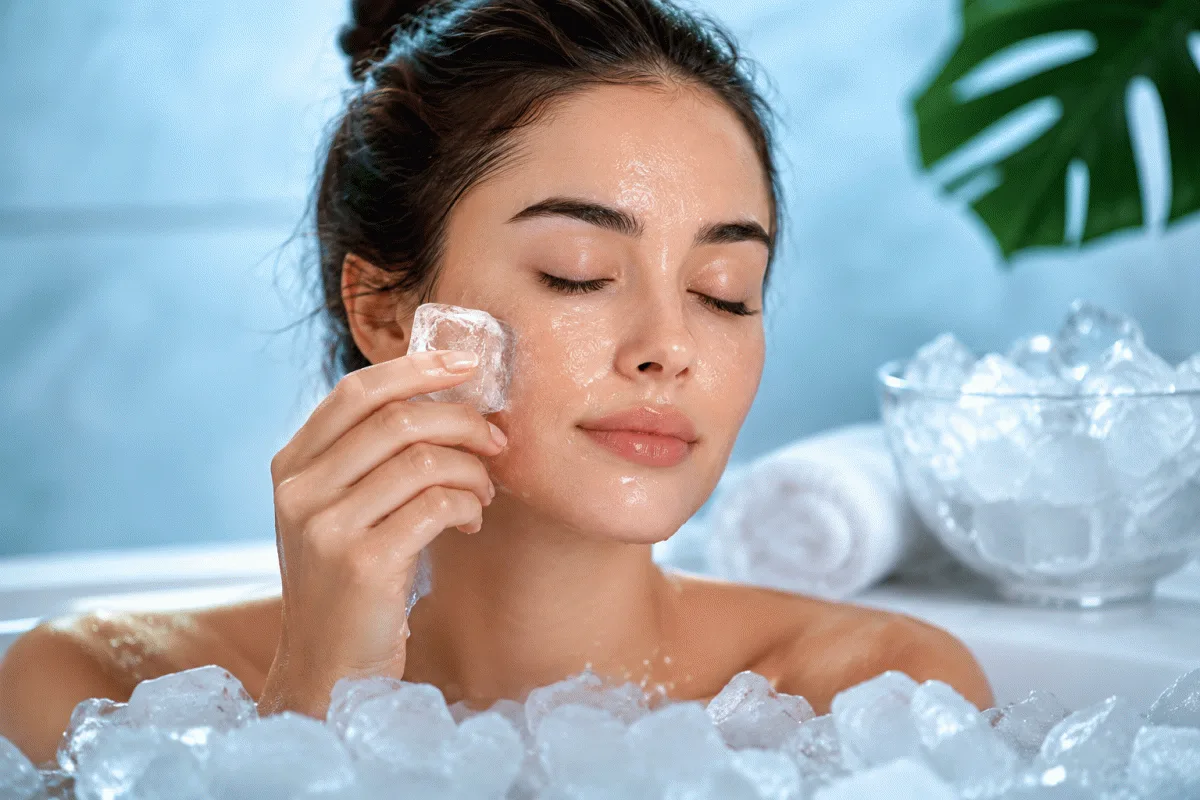
Ice facials may temporarily reduce facial puffiness, redness, and the feeling of heat. Learn what cold therapy can realistically do for summer skin and how to use it safely.
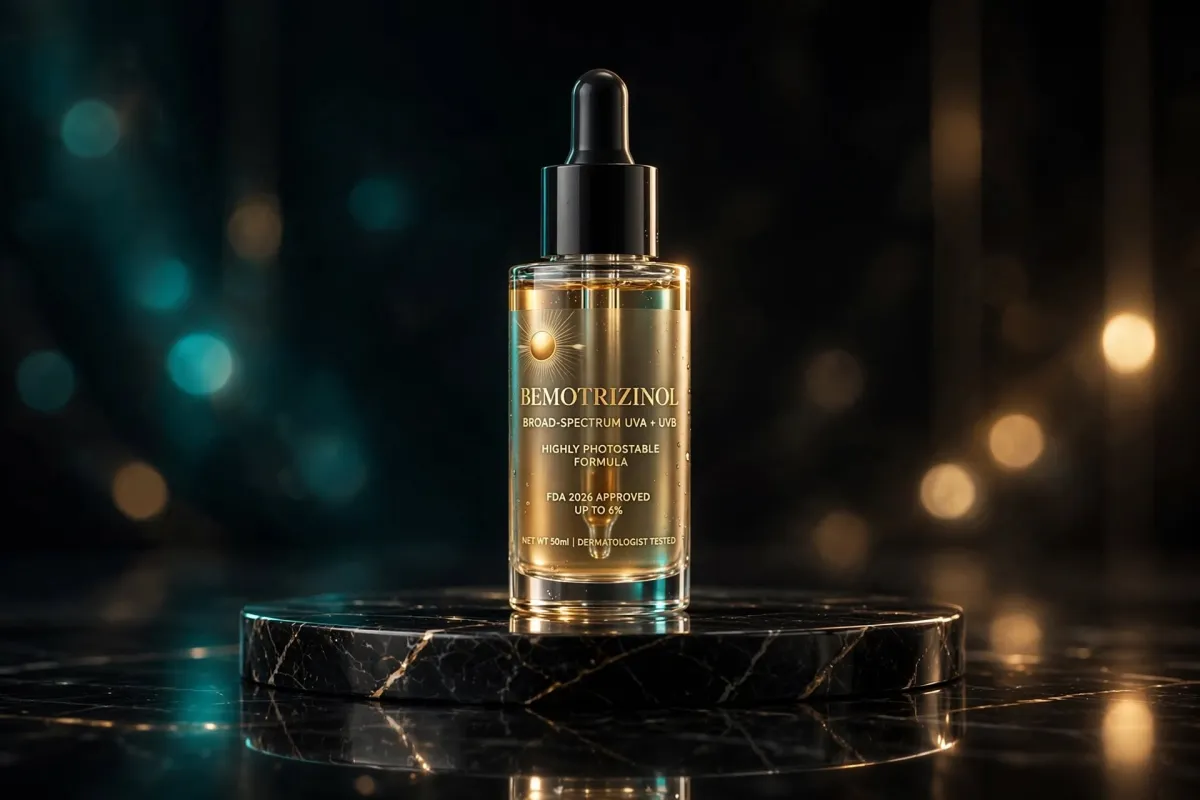
Bemotrizinol is the first new U.S. sunscreen active ingredient added in decades. Learn how it protects against UVA and UVB rays and what the 2026 FDA decision means for skin care.
Exfoliating acids and retinoids target different skin concerns. Learn how AHAs, BHAs, PHAs, and retinoids work, which is better for your skin, and how to use them safely.
Skin longevity is one of the biggest skincare trends in 2026. Learn what science says about slowing skin aging, protecting your skin barrier, and maintaining healthier, younger-looking skin for longer.
Hair longevity is one of the fastest-growing beauty trends in 2026. Learn what science says about slowing hair aging, protecting your scalp, and maintaining healthier, thicker hair for longer.
Does hard water cause hair loss? Learn what science says about hard water, hair shedding, scalp health, and whether mineral-rich water can damage your hair in this evidence-based 2026 guide.
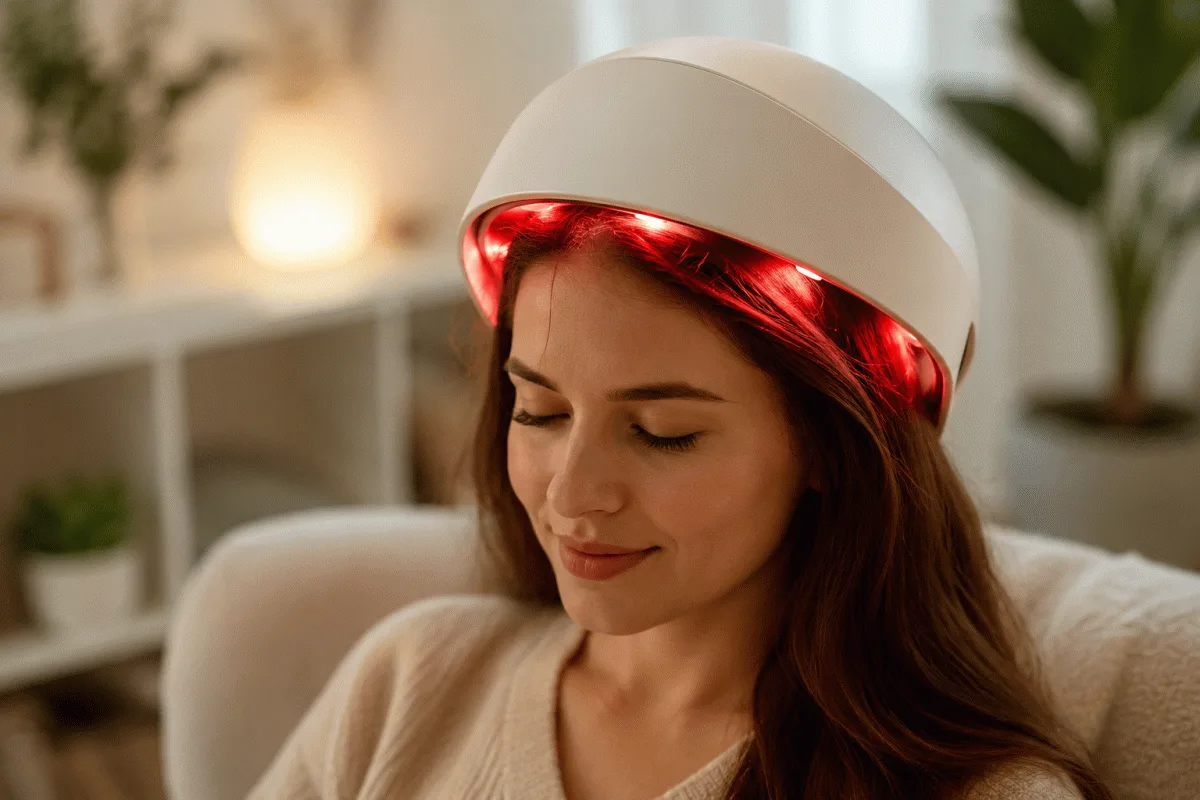
Can red light therapy really regrow hair? This evidence-based guide explains how low-level laser therapy (LLLT) works, what clinical studies show, who may benefit, potential risks, and whether it’s worth trying in 2026.
How often should you wash your hair? The answer depends on your hair type, scalp condition, lifestyle, and styling habits. This science-based guide explains the ideal hair washing frequency for oily, dry, curly, fine, thick, and color-treated hair.
Exosome therapy is one of the fastest-growing treatments for hair loss, but does it really work? Learn what exosomes are, what current medical research says, who may benefit, and whether this emerging treatment is worth considering in 2026.
A new study suggests coffee’s health benefits may extend beyond caffeine. Researchers identified a cellular pathway activated by coffee polyphenols that could help explain why moderate coffee consumption has long been associated with healthier aging and a lower risk of chronic disease.
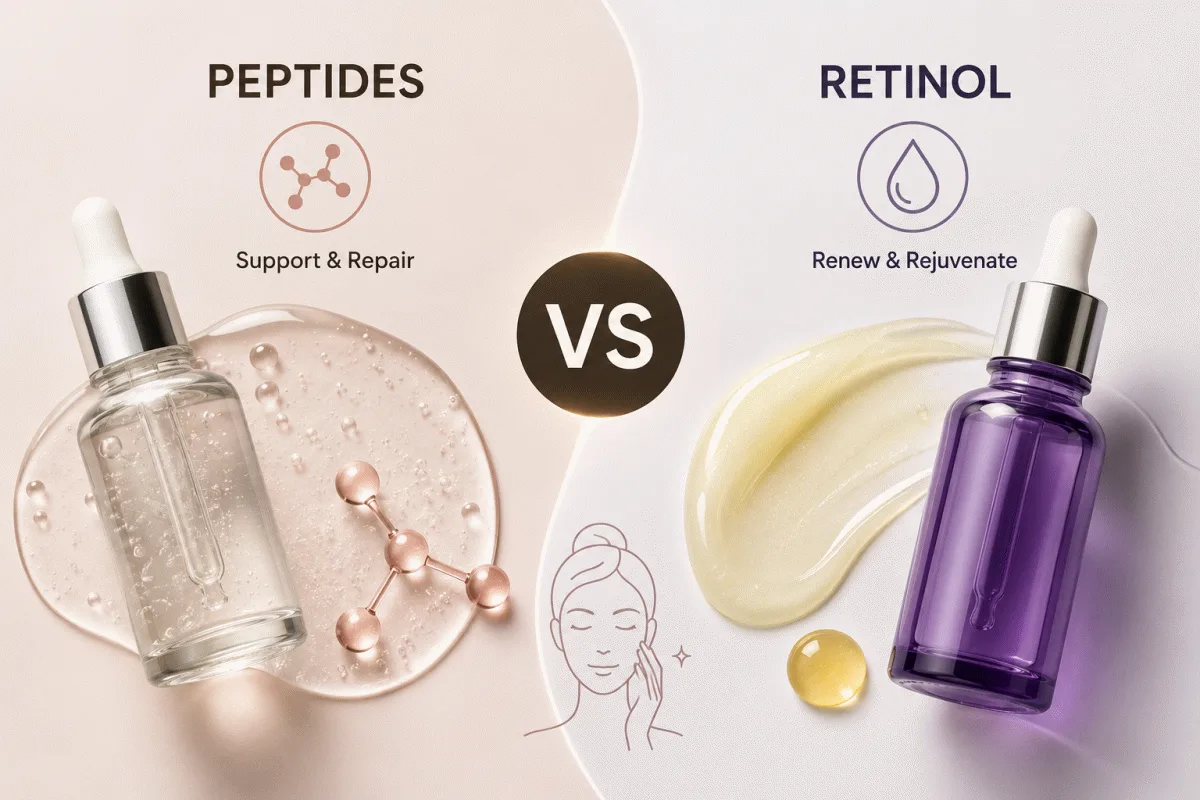
Peptides and retinol are two of the most effective anti-aging skincare ingredients, but they work in very different ways. Learn the science behind each, their benefits, side effects, and whether combining them delivers better results.
Is beef tallow good for your face? Learn the science-backed benefits, potential risks, and whether this viral skincare trend is suitable for your skin type.
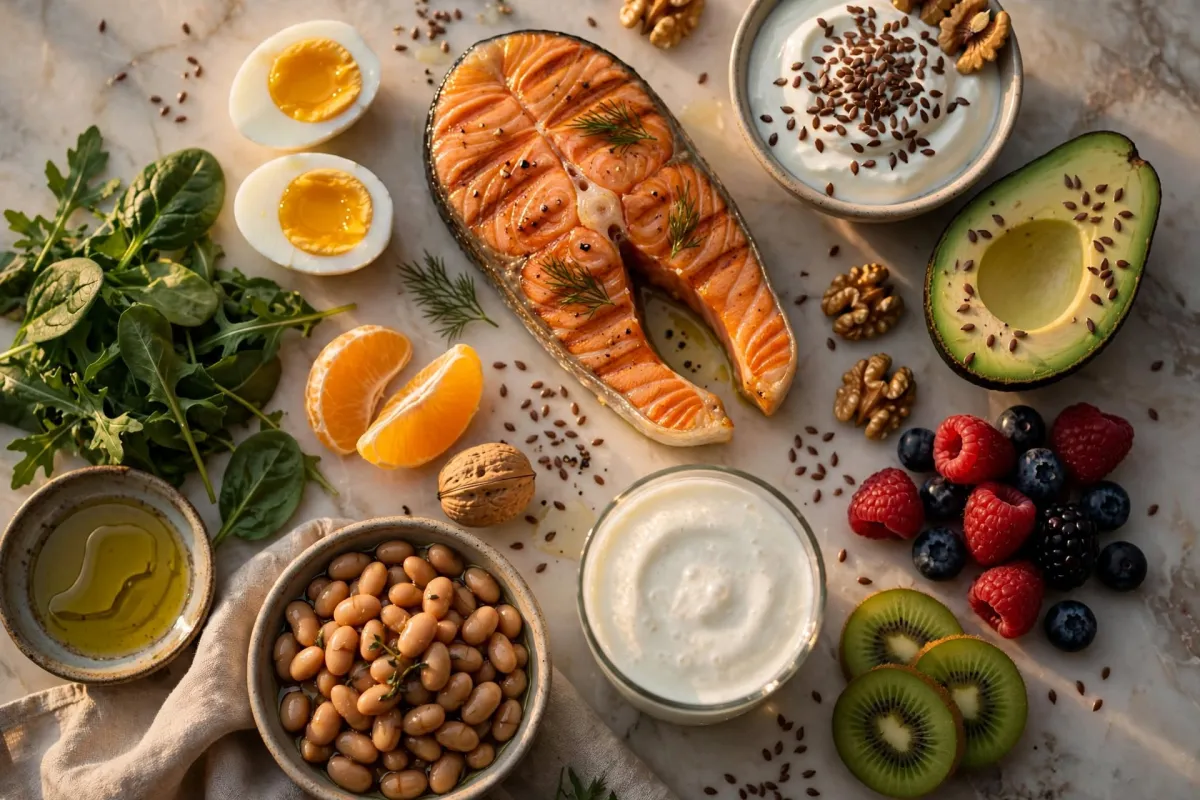
Your skin barrier protects against moisture loss, irritation, and environmental damage. Discover the foods supported by research that help strengthen your skin barrier and the everyday foods that may slow its recovery.
AI skin scanners can analyze visible features such as texture, pigmentation, and wrinkles, but their results have important limitations. Learn what AI skin analysis can measure, how accurate it is, and when professional dermatology care is still necessary.
Emerging research suggests inflammation may contribute to depression in some people, particularly those with difficult-to-treat symptoms. A small 2026 randomized trial of tocilizumab provides promising but preliminary evidence for targeting the immune system.
Glycation is linked to aging in skin and other tissues, but its specific role in scalp and hair aging remains uncertain. Learn what the evidence shows and which habits support healthier hair as you age.
Discover 21 evidence-based beauty habits that support healthier skin and graceful aging. From daily sunscreen and gentle skincare to sleep, nutrition, exercise, and stress management, consistency matters more than expensive routines.
PDRN skincare is gaining attention for mature skin and skin recovery. Learn what the evidence says about PDRN benefits, limitations, safety, and how it compares with established anti-aging ingredients.
Looking for the best peptide body lotion for crepey arm skin? This evidence-based guide compares six popular body treatments and explains which ingredients may improve hydration, texture, and the appearance of skin aging.
Niacinamide may help aging, fragile-looking skin by supporting the skin barrier, improving hydration, and reducing visible signs of photoaging. Research is stronger for barrier function than for actually rebuilding thin skin.
Retinol has stronger clinical evidence for treating photoaging, while peptides may offer a gentler option for sensitive neck skin. This guide compares their evidence, benefits, irritation risks, and how to use them safely.
You can improve visible sun damage on the backs of your hands, although years of UV injury cannot be completely erased. Sunscreen, retinoids, vitamin C, niacinamide, and dermatologist treatments can help fade spots and improve texture.
Dehydrated mature skin lacks water and can make fine lines, dullness, tightness, and rough texture more noticeable. Learn how to recognize dehydration, protect the skin barrier, and choose evidence-based hydration strategies.
Smoking has stronger evidence for accelerating structural skin aging, especially wrinkles and collagen loss. Alcohol can contribute to dehydration, inflammation, flushing, and other skin changes, particularly with heavy use.
Chronic stress can affect skin barrier function, inflammation, healing, and possibly collagen remodeling. Learn how stress may affect facial and body skin differently and what evidence-based habits can help protect skin health.
Testosterone influences female skin through sebum production, androgen signaling, and tissue maintenance, but estrogen decline has a larger role in menopause-related skin aging. This evidence-based guide explains the hormone balance behind acne, dryness, collagen loss, and skin changes.
Skin aging changes gradually through your 30s, 40s, and 50s as collagen, elasticity, hydration, UV exposure, and hormones shape visible changes. Learn what changes and which habits have the strongest evidence.
Skin thinning after 50 is linked to collagen loss, slower renewal, hormonal changes, and cumulative UV exposure. Learn evidence-based ways to protect fragile aging skin and support its strength.
Menopause can make the skin on the arms and legs drier, thinner, rougher, and less elastic as estrogen declines. Learn what drives these changes and which evidence-based skin care steps can help.