Reviewed by the HyaluFlow Health Editorial Team | Published: July 5, 2026 | Last Updated: August 27, 2026
Quick Answer
Yes, box breathing can reduce acute anxiety and stress for some people, but the evidence is more nuanced than social media claims suggest. Controlled breathing can alter breathing rate, heart rate, and autonomic activity, while recent research specifically supports box breathing as a useful short-term stress-management technique.
Key Takeaways
- Box breathing uses equal 4-second inhalation, hold, exhalation, and hold phases.
- Slow, controlled breathing can influence autonomic activity and increase vagally mediated heart-rate variability.
- Box breathing may help during short-term stress, but it is not a standalone treatment for an anxiety disorder.
- The breath holds are part of the technique, but there is not strong evidence that they are the main reason it works.
What Is Box Breathing?
Box breathing, also called square breathing, is a structured breathing exercise built around four equal phases: inhale, hold, exhale, and hold. A common version uses 4 seconds for each phase, although the timing can be adjusted.
Does Box Breathing Reduce Anxiety?
Research suggests it can reduce acute anxiety and physiological arousal, although it should not be marketed as a cure for anxiety disorders.
In a randomized controlled study published in 2023, five minutes of daily box breathing was one of several structured breathwork approaches tested against mindfulness meditation. The researchers found that breathwork improved mood and reduced physiological arousal, although prolonged-exhalation breathing performed better on some outcomes. “Brief structured respiration practices enhance mood and reduce physiological arousal” in Cell Reports Medicine provides the evidence.
A 2026 randomized study also found that box breathing and prolonged-exhalation breathing reduced increases in state anxiety and heart rate after an experimentally induced stressor. The 2026 randomized controlled study of box breathing and physiological stress supports a short-term benefit.
How Slow Breathing Affects the Nervous System
Slow breathing may also help shift attention away from escalating thoughts by giving you a simple, repeatable task. That psychological component can matter alongside the physiological effects, especially during acute stressful moments too.
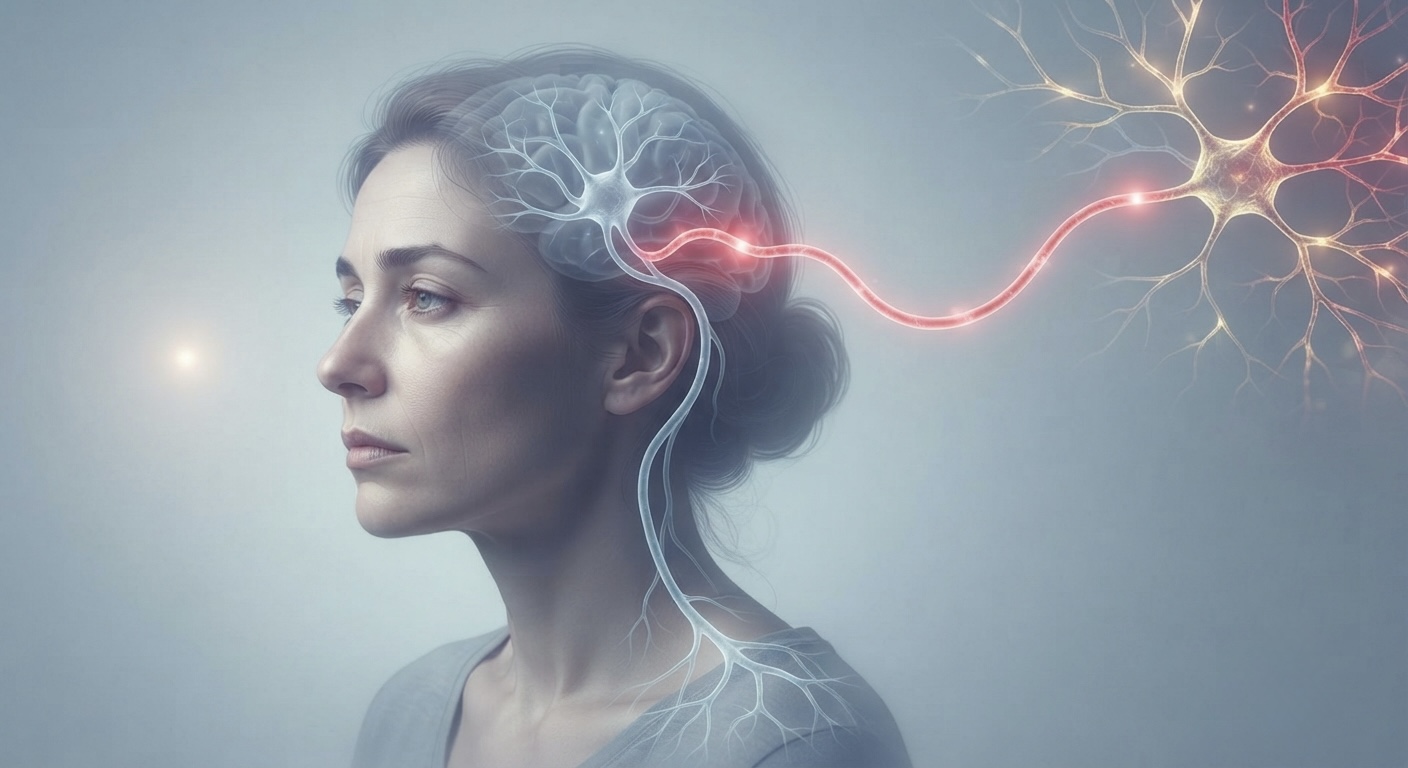
During stress, breathing and cardiovascular activity can shift toward a more activated state. Slowing the breath changes the timing between inhalation and exhalation and can influence heart-rate variability, a measure related to autonomic regulation.
A large systematic review and meta-analysis of 223 studies found that voluntary slow breathing increased vagally mediated heart-rate variability during breathing, immediately afterward, and following repeated training. The 2022 systematic review in Neuroscience & Biobehavioral Reviews supports this physiological effect.
Do the 4-Second Holds Make Box Breathing Better?
Not necessarily. The holds distinguish box breathing from other slow-breathing methods, but there is limited evidence that breath retention itself is the primary reason the technique reduces anxiety.
How to Do Box Breathing Safely
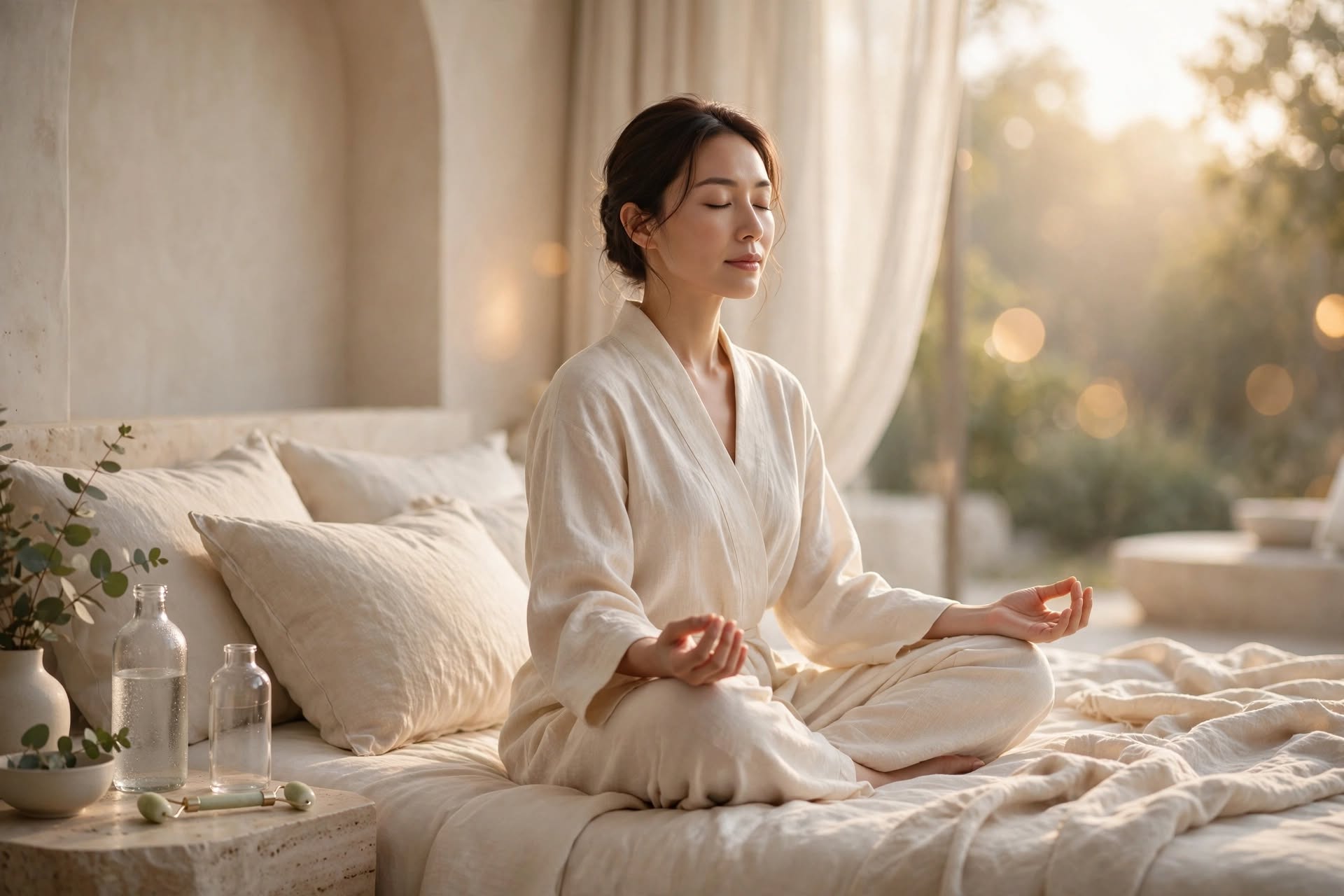
- Sit comfortably and relax your shoulders.
- Inhale gently through your nose for about 4 seconds.
- Hold comfortably for about 4 seconds without straining.
- Exhale slowly for about 4 seconds.
- Hold gently for about 4 seconds, then repeat for several rounds.
Do not force large breaths or continue if you become dizzy, light-headed, or uncomfortable. The goal is calm, controlled breathing, not maximum breath-holding.
What the Science Says
The strongest evidence supports slow breathing as a low-cost tool for changing short-term physiological arousal. Evidence specifically for box breathing is growing, including controlled studies showing reductions in acute stress and anxiety.
However, research does not establish box breathing as a treatment for generalized anxiety disorder, panic disorder, or depression. Persistent symptoms may need professional treatment.
Common Myths About Box Breathing
Myth: Box breathing cures anxiety.
It may temporarily reduce anxiety, but it does not replace treatment for an anxiety disorder.
Myth: The technique works because the vagus nerve is simply “turned on.”
Breathing affects autonomic regulation through several interacting mechanisms. The vagus nerve is involved, but the biology is more complex.
Myth: Longer breath holds produce better results.
There is no good reason to assume that. Forcing longer holds can make breathing uncomfortable and may increase distress.
Who Should Pay Attention?
Box breathing may be useful for people dealing with brief episodes of situational stress, such as before a presentation, during a tense conversation, or while waiting for a stressful event.
If breathing exercises repeatedly trigger panic, dizziness, chest discomfort, or significant shortness of breath, stop and seek appropriate medical advice rather than pushing through the symptoms.
Evidence Strength Summary
Moderate evidence: Slow breathing can influence autonomic measures such as heart-rate variability. Emerging evidence: Controlled studies support box breathing for reducing short-term stress and anxiety, but evidence for treating diagnosed anxiety disorders remains insufficient.
Bottom Line
Box breathing is not just social-media hype, but it is not a magic anxiety cure either. Its best-supported role is as a simple, short-term tool for regulating breathing and reducing acute stress, especially when practiced comfortably and without forcing the breath.