Medically reviewed by the HyaluFlow Health Editorial Team | Published: June 22, 2026 | Last Updated: July 30, 2026
Can a simple stone tool really help create a more defined jawline? Millions of people use facial Gua Sha every day, yet many use the wrong technique, making the treatment less effective.
Research suggests facial Gua Sha may temporarily reduce puffiness, improve blood circulation, and support lymphatic drainage. However, it does not permanently reshape the face or replace medical or cosmetic treatments. The best results come from using the correct angle, pressure, and stroke direction.[1][2]
Introduction
Facial Gua Sha has become one of the most popular beauty practices in recent years. Social media often shows dramatic before-and-after results, but the real benefits are more modest and supported by growing scientific evidence.
When performed correctly, Gua Sha may help reduce temporary facial swelling, relax tight jaw muscles, and improve circulation. Many people also find it calming and enjoy adding it to their skincare routine.
Understanding the proper technique is important because using too much pressure or the wrong angle can irritate the skin instead of helping it.
Quick Answer
Facial Gua Sha uses a smooth stone tool with gentle upward strokes to support lymphatic drainage, improve circulation, and temporarily reduce facial puffiness. While it may make the jawline appear more defined for a short time, current evidence does not show that Gua Sha permanently changes facial shape or removes fat.[1][2][3]
Key Takeaways
- Facial Gua Sha may temporarily reduce puffiness and improve circulation.
- Always use a facial oil or serum to reduce friction.
- Hold the tool at about a 15-degree angle against the skin.
- Use light pressure and slow upward strokes.
- Regular use supports relaxation but does not permanently sculpt the face.
The History of Gua Sha
Gua Sha is a traditional Chinese medicine technique that has been practiced for centuries. The name roughly translates to "scraping" and originally referred to body treatments that used repeated strokes across the skin to promote healing and relieve muscle tension.
Modern facial Gua Sha is much gentler. Instead of creating redness on the body, facial treatments use smooth tools made from jade, rose quartz, stainless steel, or other polished materials to massage delicate facial tissues.[1][4]
How Facial Gua Sha Works
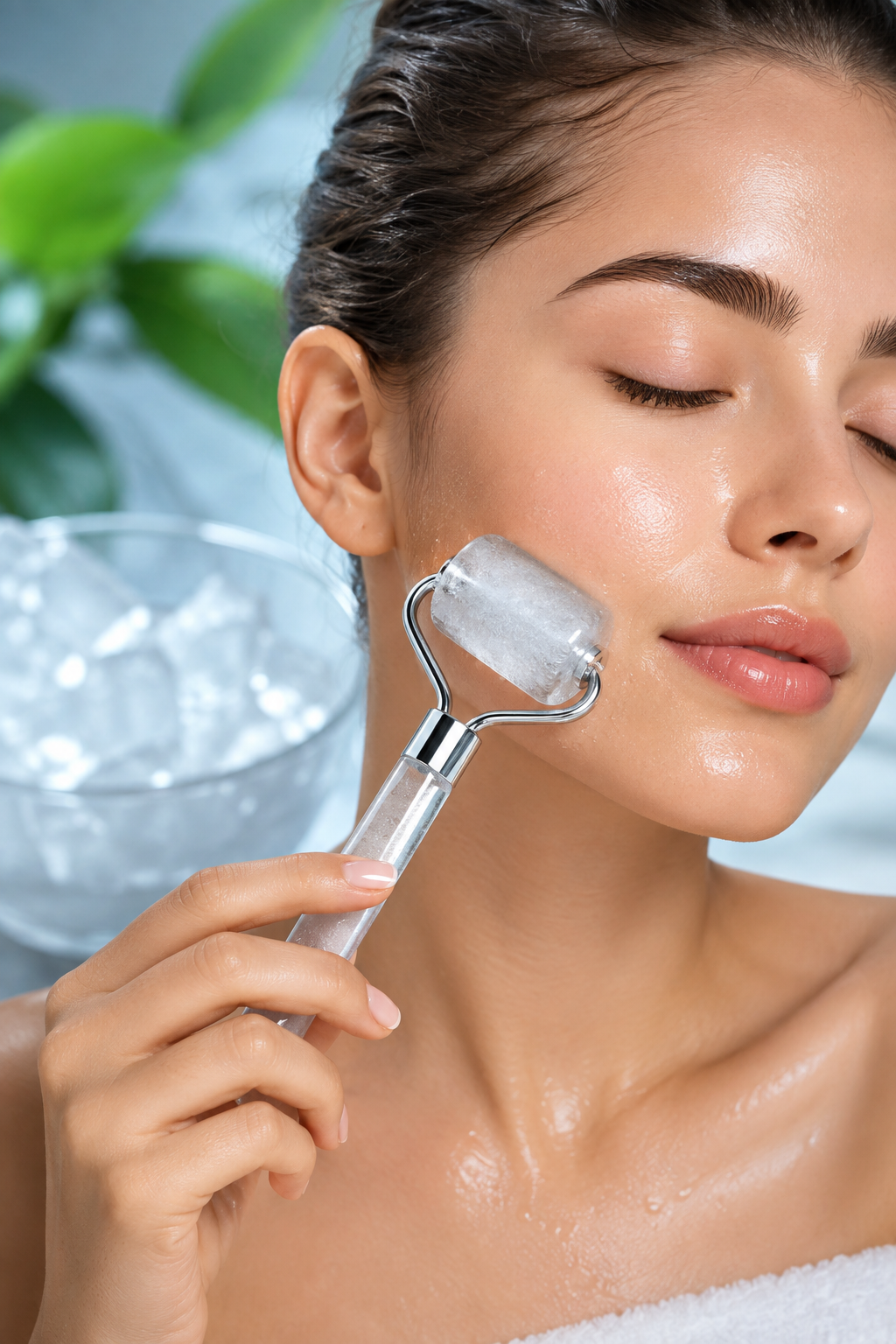
Facial Gua Sha applies gentle pressure while gliding across the skin. This movement may stimulate superficial blood flow, relax facial muscles, and encourage lymphatic drainage, which helps move excess fluid away from the face.
Because facial puffiness often comes from temporary fluid retention, reducing this fluid can make the jawline and cheekbones appear more defined. The effect is temporary and usually lasts hours rather than permanently changing facial structure.[2][3]
"Using a Gua Sha tool with light pressure and a flat angle may help reduce temporary puffiness while supporting healthy circulation."
The Correct Gua Sha Technique for the Jawline
Using the right technique is more important than the type of stone you choose. Slow, gentle movements are more effective than using heavy pressure.
Step 1: Cleanse Your Face
Wash your face and hands before starting. Clean skin helps reduce the risk of irritation and keeps bacteria away from the tool.
Step 2: Apply a Facial Oil or Serum
Never use Gua Sha on dry skin. Apply a generous amount of facial oil or a hydrating serum so the tool glides smoothly without pulling the skin.
Step 3: Hold the Tool Correctly
Keep the Gua Sha tool almost flat against your skin at about a 15-degree angle. Holding it upright can create too much pressure and increase friction.
Step 4: Use Gentle Pressure
Apply light to medium pressure only. Facial skin is delicate, and pressing too hard will not improve results.
Step 5: Follow the Correct Stroke Direction
- Start at the center of the chin.
- Glide the tool along the jawline toward the ear.
- Repeat each stroke 5 to 10 times.
- Move from the corners of the mouth toward the ears.
- Continue from the sides of the nose across the cheeks.
- Finish by sweeping down the sides of the neck toward the collarbone to support lymphatic drainage.
Support the skin gently with your free hand if needed. Keep the strokes slow, smooth, and consistent.[1][2]
Benefits of Facial Gua Sha
- May temporarily reduce facial puffiness.
- Supports lymphatic drainage.
- Improves superficial blood circulation.
- Relaxes tight jaw and facial muscles.
- May improve the absorption of skincare products.
- Provides a calming self-care routine.
Current evidence suggests these benefits are mainly temporary and depend on regular use. Gua Sha should not be viewed as a permanent facial sculpting treatment.[2][3]
Common Mistakes to Avoid
- Using the tool on dry skin.
- Applying excessive pressure.
- Holding the tool at a steep angle.
- Moving the tool back and forth repeatedly.
- Skipping cleaning after each use.
- Using Gua Sha over irritated, infected, or broken skin.
Correct technique helps reduce unnecessary irritation while making the treatment more comfortable and effective.
What the Research Shows
Clinical studies suggest Gua Sha can increase microcirculation in treated tissues and may temporarily improve blood flow. Researchers also report that facial massage techniques can help reduce swelling by encouraging lymphatic drainage.[2][5]
However, there is currently no strong scientific evidence that facial Gua Sha permanently reshapes the jawline, removes facial fat, or reverses skin aging. Most visible improvements come from reducing temporary puffiness and relaxing facial muscles.[1][3]
Who Can Benefit from Facial Gua Sha?
Facial Gua Sha may be suitable for many healthy adults who want to reduce temporary puffiness or add a relaxing massage to their skincare routine.
- People with mild morning facial puffiness.
- Those who carry tension in the jaw or face.
- People looking for a gentle facial massage.
- Individuals who enjoy self-care routines.
- Most adults with healthy skin.
Results vary from person to person. Some people notice visible changes after one session, while others see gradual improvements with regular use.
Risks and Limitations
Facial Gua Sha is generally considered safe when performed gently on healthy skin. However, it is not suitable for everyone.
- Applying too much pressure may cause bruising.
- Using a dirty tool may increase the risk of skin irritation.
- Incorrect technique can pull or irritate the skin.
- Results are temporary and require regular maintenance.
- It does not replace medical or cosmetic treatments.
Scientific evidence supporting facial Gua Sha is growing, but most studies remain small. More high-quality clinical research is needed to confirm its long-term cosmetic benefits.[1][2][5]
Who Should Be Careful?
Avoid facial Gua Sha or speak with a healthcare professional before using it if you have:
- Active acne cysts or infected skin.
- Open cuts or wounds.
- Sunburn.
- Eczema or psoriasis flare-ups.
- Recent facial surgery or cosmetic procedures.
- Bleeding disorders or blood-thinning medication use.
If you experience pain, persistent redness, or bruising, stop using the tool until your skin has fully recovered.
Bottom Line
Facial Gua Sha can be a helpful addition to a skincare routine when used correctly. It may temporarily reduce puffiness, improve circulation, and relax facial muscles, making the jawline appear more defined.
While many people enjoy these benefits, current research does not support claims that Gua Sha permanently sculpts the face, removes fat, or reverses aging. Gentle technique, realistic expectations, and consistent skincare remain the best approach.[1][2][3]
References
- Tier 1 (Systematic Review): Braun M, et al. Facial massage and cosmetic outcomes: A systematic review. Journal of Cosmetic Dermatology.
- Tier 2 (Major Health Institution): National Center for Complementary and Integrative Health (NCCIH). Traditional Chinese Medicine: What the Science Says.
- Tier 2 (Major Health Institution): American Academy of Dermatology. Skin Care Recommendations and Facial Massage Guidance.
- Tier 3 (Peer-Reviewed Research): Nielsen A, et al. The effect of Gua Sha treatment on microcirculation. Explore (NY). 2007.
- Tier 3 (Peer-Reviewed Research): Wang J, et al. Effects of facial massage on skin blood flow and lymphatic function. Journal of Cosmetic Dermatology.