Quick Answer: Chronic psychological stress increases cortisol levels, which can accelerate skin aging by reducing collagen production, weakening the skin barrier, increasing inflammation, and slowing wound healing. The face commonly develops acne, dullness, and wrinkles, while the body is more likely to experience dryness, itching, eczema flare-ups, and increased skin sensitivity.
- Chronic stress raises cortisol, which accelerates visible skin aging.
- Facial skin often develops acne, fine lines, dullness, and premature wrinkles.
- Body skin is more prone to dryness, impaired barrier function, itching, and eczema flare-ups.
- Healthy sleep, stress management, and barrier-supportive skincare help reduce damage.
- Scientific evidence links chronic stress with slower skin repair and increased inflammation.
How Does Stress Affect Skin Aging?
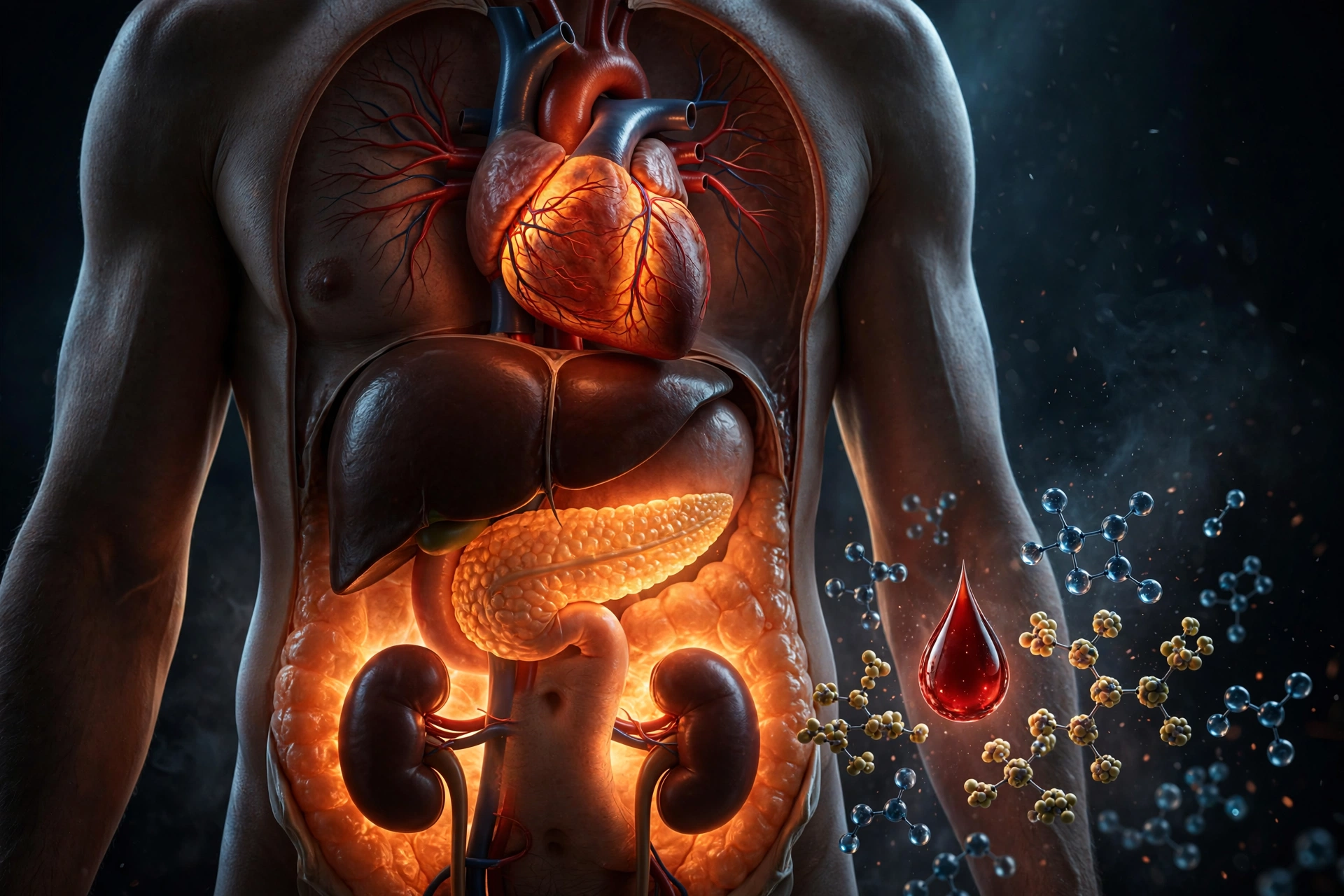
Stress is more than an emotional experience—it triggers measurable biological changes throughout the body, including the skin. During stressful situations, the hypothalamic-pituitary-adrenal (HPA) axis releases cortisol, the body's primary stress hormone. While cortisol is essential for responding to short-term challenges, persistently elevated levels can negatively affect skin structure, immune function, and repair mechanisms.
Research shows that chronic stress contributes to collagen breakdown, increased oxidative stress, impaired skin barrier function, delayed wound healing, and chronic inflammation. These biological changes can accelerate visible signs of skin aging while making inflammatory skin conditions worse.
The Biological Cost of Elevated Cortisol
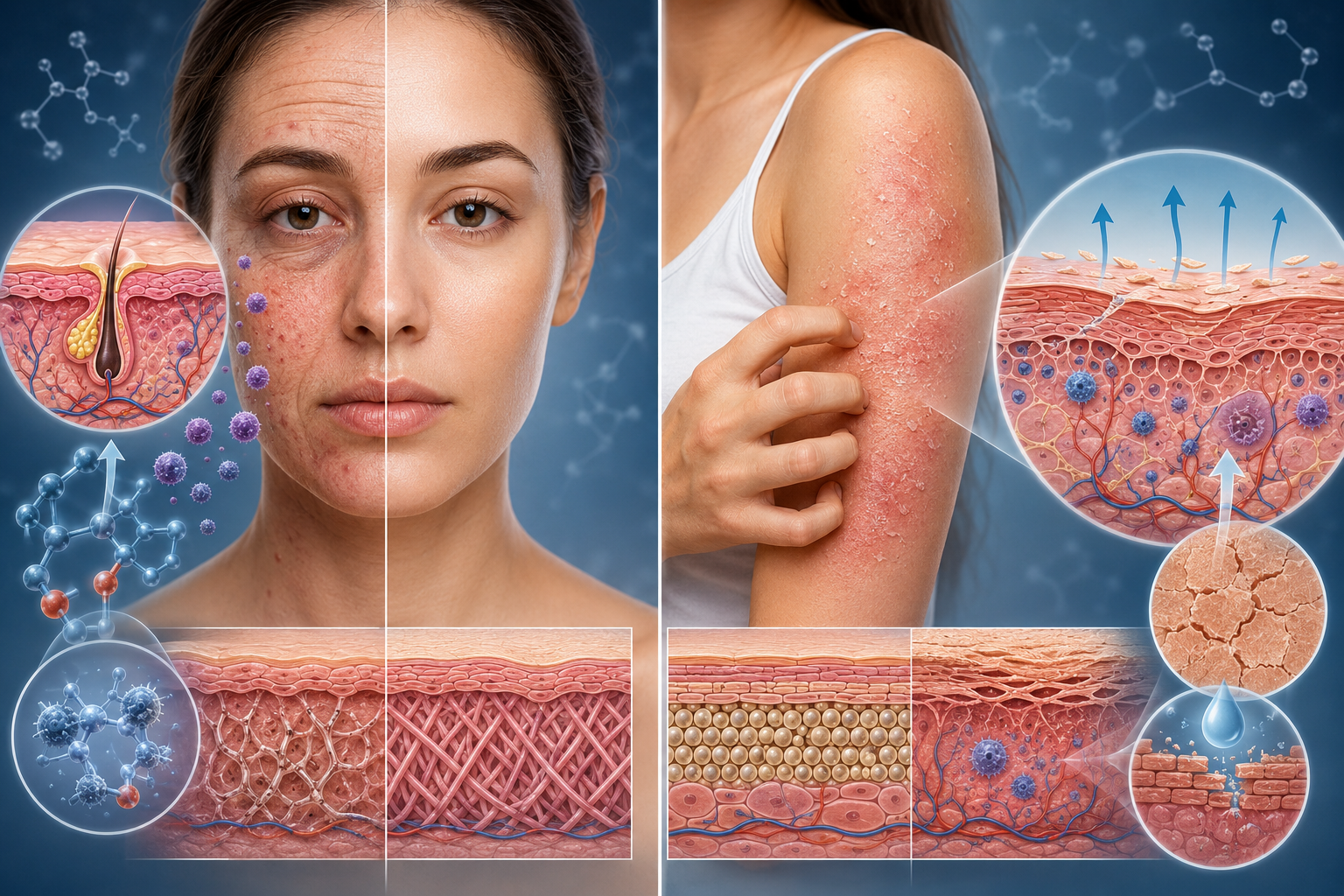
Cortisol influences multiple processes involved in skin health. Long-term elevation reduces collagen synthesis, decreases elastin integrity, and increases the activity of enzymes called matrix metalloproteinases (MMPs), which degrade collagen fibers. As collagen declines, skin gradually becomes thinner, less elastic, and more prone to wrinkles.
High cortisol levels also reduce the production of ceramides and natural skin lipids that maintain the protective barrier. A weakened barrier allows greater water loss through the skin, increasing dryness, irritation, and sensitivity. Chronic stress may also increase oxidative stress, further accelerating premature skin aging.
What the science says: Chronic cortisol elevation contributes to collagen loss, impaired barrier function, increased inflammation, and delayed wound healing—all key mechanisms involved in premature skin aging.
How Stress Ages the Face Differently
The face contains a high concentration of sebaceous (oil) glands, making it particularly responsive to hormonal changes. Elevated cortisol stimulates sebaceous glands, increasing oil production that can contribute to clogged pores and stress-related acne.
Stress also increases inflammatory signaling within the skin, which can worsen acne lesions, redness, and sensitivity. At the same time, reduced blood flow caused by stress-related vasoconstriction may leave the complexion looking dull and tired.
Another overlooked factor is repeated facial muscle tension. Stress often leads to unconscious frowning, squinting, jaw clenching, and forehead tension. Over time, these repeated muscle movements contribute to deeper expression lines and permanent wrinkles, especially around the forehead, eyes, and mouth.
Common Facial Signs of Chronic Stress
- Stress acne and breakouts
- Premature fine lines and wrinkles
- Dull, tired-looking complexion
- Redness and increased sensitivity
- Slower healing of blemishes
How Stress Affects the Body Skin
Unlike facial skin, most body skin contains fewer sebaceous glands and depends heavily on its lipid barrier to maintain hydration. When stress weakens this barrier, moisture escapes more easily, leading to dry, rough, itchy skin.
Stress also alters immune function within the skin. Numerous studies have shown that psychological stress can worsen inflammatory skin disorders including eczema (atopic dermatitis), psoriasis, chronic urticaria (hives), and rosacea. Individuals experiencing prolonged stress often notice more frequent flare-ups and slower recovery.
Additionally, chronic stress delays wound healing by suppressing immune responses involved in tissue repair, making cuts, scratches, and irritated skin heal more slowly.
Common Body Signs of Chronic Stress
- Dry, flaky skin
- Persistent itching
- Barrier dysfunction
- Eczema flare-ups
- Psoriasis worsening
- Increased skin sensitivity
- Slower wound healing
Face vs Body: Stress Effects Comparison
| Skin Area | Most Common Effects | Main Biological Changes |
|---|---|---|
| Face | Acne, wrinkles, dullness, redness | Increased sebum, collagen loss, inflammation |
| Body | Dryness, itching, eczema, sensitivity | Barrier disruption, water loss, immune imbalance |
Science-Backed Ways to Protect Stressed Skin
1. Support the Skin Barrier
Choose gentle cleansers and moisturizers containing ceramides, glycerin, hyaluronic acid, and cholesterol to strengthen the skin barrier and reduce moisture loss.
2. Use Niacinamide
Niacinamide helps reduce inflammation, supports barrier repair, regulates excess oil production, and improves uneven skin tone. Concentrations between 2% and 5% are generally well tolerated.
3. Moisturize the Body Daily
Apply moisturizer immediately after bathing while the skin is still slightly damp. Ingredients such as colloidal oatmeal, shea butter, petrolatum, and squalane help restore hydration and reduce itching.
4. Prioritize Quality Sleep
Sleep is when the body performs much of its tissue repair. Adults should aim for 7–9 hours of quality sleep each night to support collagen production, immune regulation, and skin recovery.
5. Manage Chronic Stress
Regular physical activity, mindfulness meditation, breathing exercises, yoga, spending time outdoors, and strong social support can help lower stress and improve overall skin health.
6. Eat an Anti-Inflammatory Diet
A diet rich in vegetables, fruits, whole grains, healthy fats, and omega-3 fatty acids may help reduce systemic inflammation that contributes to skin aging.
What the Science Says
Clinical research consistently demonstrates that chronic psychological stress delays skin barrier recovery, slows wound healing, increases inflammatory activity, and accelerates visible skin aging. While skincare products help protect the skin barrier, reducing ongoing stress is equally important for long-term skin health.
Common Myths About Stress and Skin
- Myth: Stress only causes acne.
Fact: Stress also contributes to wrinkles, dryness, impaired healing, and inflammatory skin disorders. - Myth: Only facial skin is affected.
Fact: Body skin frequently develops barrier damage, itching, and eczema flare-ups. - Myth: Expensive skincare can reverse stress damage.
Fact: Effective skincare helps, but managing chronic stress and maintaining healthy lifestyle habits are essential.
Who Should Pay Attention?
- People experiencing chronic workplace or academic stress
- Individuals with eczema, psoriasis, rosacea, or acne
- Adults noticing premature skin aging
- Healthcare workers and caregivers
- People with poor sleep quality
- Anyone living with long-term anxiety or high stress levels
Bottom Line
Stress affects facial and body skin differently, but both experience measurable biological damage from prolonged cortisol exposure. Facial skin is more likely to develop acne, dullness, and wrinkles, while body skin commonly suffers from dryness, impaired barrier function, itching, and inflammatory flare-ups. Combining evidence-based skincare with healthy sleep, stress management, regular exercise, and balanced nutrition offers the best long-term strategy for maintaining healthier, younger-looking skin.
Medical References
- Chen Y, Lyga J. Brain-Skin Connection: Stress, Inflammation and Skin Aging. Inflamm Allergy Drug Targets. 2014.
- Slominski A, et al. Stress and the Skin. Clinical Dermatology. 2013.
- Dhabhar FS. Effects of Stress on Immune Function and Skin Health. Nature Reviews Immunology. 2014.
- American Academy of Dermatology. Stress and Skin Health.
- Elias PM. Skin Barrier Function. Journal of Investigative Dermatology.
- National Institute on Aging. Skin Care and Aging.
- Baumann L. Cosmetic Dermatology: Principles and Practice. 4th Edition.