Quick Answer: Hyaluronic acid is a naturally occurring molecule that attracts and retains water within the skin. Scientific evidence shows it improves skin hydration, temporarily reduces the appearance of fine lines, strengthens the skin barrier, and enhances overall skin texture. While it does not stop aging, regular use can visibly improve skin health and support healthier, more youthful-looking skin.[1][2][3]
- Hyaluronic acid can bind up to 1,000 times its weight in water.
- It improves hydration, skin smoothness, and elasticity.
- Topical hyaluronic acid is suitable for nearly all skin types.
- It works best when applied to slightly damp skin and followed with a moisturizer.
- Current research supports hyaluronic acid as one of the safest and most effective hydrating skincare ingredients available.
Many skincare ingredients promise younger-looking skin, but only a handful have consistently demonstrated measurable benefits in scientific research. Hyaluronic acid is one of those rare ingredients. It has become a cornerstone of modern dermatology because of its remarkable ability to improve skin hydration while supporting the skin's natural protective barrier.
Despite its popularity, many people still misunderstand what hyaluronic acid actually does. Some believe it replaces collagen, permanently removes wrinkles, or reverses aging. In reality, its greatest strength lies in restoring moisture, improving skin texture, and creating healthier conditions that help skin appear smoother and more resilient over time.
Whether you have dry skin, oily skin, sensitive skin, or mature skin, understanding how hyaluronic acid works can help you choose products more effectively and build a skincare routine supported by evidence rather than marketing claims.
What Is Hyaluronic Acid?
Hyaluronic acid (HA) is a naturally occurring glycosaminoglycan found throughout the human body, particularly in the skin, eyes, joints, and connective tissues. Nearly half of the body's total hyaluronic acid is found within the skin, where it plays a critical role in maintaining hydration, elasticity, and tissue repair.[1]
Its unique molecular structure allows it to bind exceptionally large amounts of water—up to approximately 1,000 times its own weight. This water-binding ability helps maintain skin volume, supports the extracellular matrix, and contributes to the soft, plump appearance associated with healthy skin.
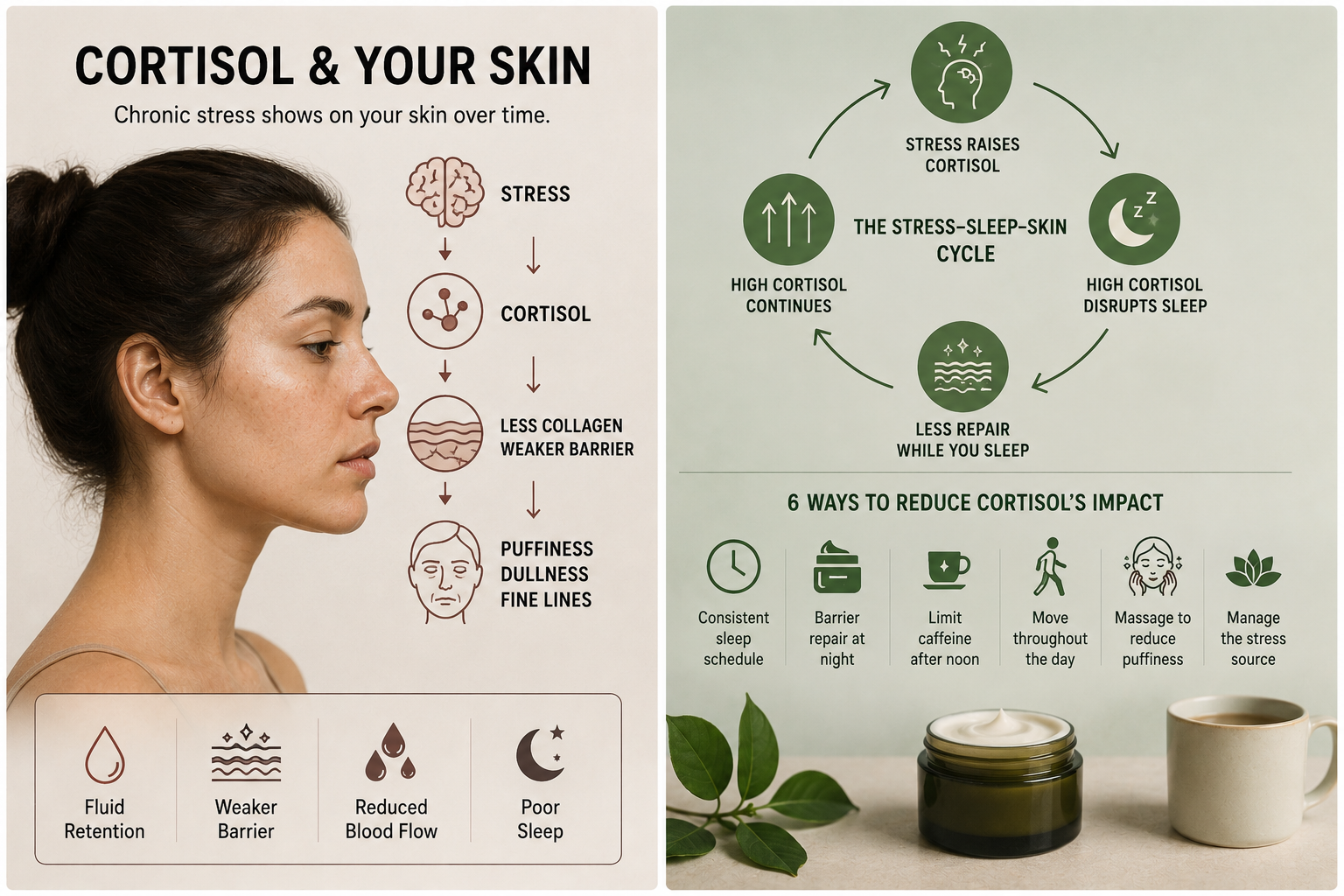
Natural hyaluronic acid production gradually declines with age. Environmental factors such as ultraviolet (UV) radiation, smoking, pollution, chronic stress, and poor sleep may further accelerate this decline. Reduced hyaluronic acid levels contribute to skin dryness, rough texture, reduced elasticity, and the formation of fine lines.
How Does Hyaluronic Acid Work?
Unlike exfoliating acids such as glycolic acid or salicylic acid, hyaluronic acid does not remove skin cells or chemically exfoliate the skin. Instead, it functions as a powerful humectant—a substance that attracts water toward the outer layers of the skin.
When applied correctly, hyaluronic acid draws moisture into the epidermis, increasing skin hydration and temporarily improving skin volume. This hydration makes fine lines appear less noticeable while helping strengthen the skin barrier against moisture loss and environmental stressors.[2][3]
| Feature | Hyaluronic Acid | Retinol | Vitamin C |
|---|---|---|---|
| Main Benefit | Hydration | Collagen stimulation | Antioxidant protection |
| Best For | Dryness and dehydration | Fine lines and wrinkles | Dark spots and uneven tone |
| Suitable for Sensitive Skin | Usually yes | Sometimes irritating | Depends on formulation |
| Can Be Used Daily | Yes | Usually introduced gradually | Yes |
Science-Backed Benefits of Hyaluronic Acid
1. Provides Deep, Long-Lasting Hydration
The strongest evidence supporting hyaluronic acid involves its ability to improve skin hydration. Multiple randomized controlled trials have demonstrated that topical hyaluronic acid significantly increases water content within the outer skin layers, leading to smoother, softer, and healthier-looking skin after several weeks of consistent use.[2][4]
Improved hydration also supports many other skin functions, including barrier repair, reduced roughness, and improved comfort in individuals with dry or sensitive skin.
2. Helps Reduce the Appearance of Fine Lines and Wrinkles
One of the most noticeable cosmetic benefits of hyaluronic acid is its ability to temporarily reduce the appearance of fine lines. As skin becomes better hydrated, it appears fuller and smoother, making superficial wrinkles less visible. This effect is primarily due to improved skin hydration rather than permanent structural changes.
Several clinical studies have shown that daily application of topical hyaluronic acid significantly improves wrinkle depth, skin smoothness, and overall skin appearance after 4 to 8 weeks of consistent use. Lower molecular weight formulations may also penetrate more effectively into the upper layers of the epidermis, further enhancing hydration and visible skin texture.[2][4][5]
Although hyaluronic acid does not replace collagen or elastin, maintaining adequate skin hydration creates a healthier environment that supports normal skin repair and improves the skin's youthful appearance.
3. Improves Skin Elasticity
Skin elasticity naturally declines with age due to reduced collagen, elastin, and hyaluronic acid production. While collagen provides structural strength, hyaluronic acid helps maintain the hydrated extracellular matrix that allows skin to remain supple and resilient.
Clinical research has demonstrated improvements in skin elasticity following regular topical hyaluronic acid use, particularly when combined with a comprehensive skincare routine that includes sunscreen and moisturizers.[2][5]
Better hydration also reduces roughness and improves the skin's flexibility, contributing to firmer, healthier-looking skin over time.
4. Strengthens the Skin Barrier
The skin barrier serves as the body's first line of defense against pollution, allergens, bacteria, irritants, and excessive water loss. When this barrier becomes damaged, skin often feels tight, irritated, flaky, or sensitive.
By increasing moisture within the epidermis, hyaluronic acid helps reinforce barrier function and reduce transepidermal water loss (TEWL). A healthier skin barrier improves overall skin comfort while helping protect against environmental damage.[3][6]
This barrier-supporting effect makes hyaluronic acid particularly valuable for people with dry skin, eczema-prone skin, rosacea, or sensitive skin that becomes easily irritated.
5. Supports Wound Healing and Skin Repair
Beyond cosmetic skincare, hyaluronic acid plays an important biological role during wound healing. It helps regulate inflammation, supports cell migration, and contributes to tissue remodeling during skin repair.
Medical-grade hyaluronic acid has been used in wound dressings and dermatologic procedures because of its ability to maintain a moist healing environment while supporting normal tissue regeneration.[1][6]
Although over-the-counter serums are not designed to treat open wounds, maintaining adequate skin hydration may help the skin recover more efficiently from everyday environmental stress and cosmetic procedures.
6. Enhances Overall Skin Texture and Radiance
Dehydrated skin often appears dull, rough, and uneven. Because hyaluronic acid restores moisture, many users notice smoother texture, improved softness, and a healthier glow after several weeks of regular use.
Improved hydration also allows light to reflect more evenly from the skin's surface, contributing to a brighter and more radiant complexion without changing natural pigmentation.
For this reason, hyaluronic acid is frequently recommended as a foundational ingredient before introducing more active ingredients such as retinoids, vitamin C, peptides, or exfoliating acids.
How Hyaluronic Acid Supports Healthy Aging
Healthy aging involves preserving skin function rather than simply hiding wrinkles. While no topical ingredient can completely stop the aging process, maintaining optimal hydration is one of the most effective ways to improve skin quality throughout adulthood.
Scientific evidence suggests hyaluronic acid supports healthy aging by:
- Increasing skin hydration.
- Improving barrier integrity.
- Reducing visible fine lines caused by dehydration.
- Supporting skin elasticity.
- Improving overall skin texture.
- Helping maintain a smoother, healthier complexion.
Unlike injectable dermal fillers, topical hyaluronic acid works primarily on the skin's surface and upper epidermal layers. It should therefore be viewed as a supportive skincare ingredient rather than a replacement for cosmetic procedures.
What the Science Says
A growing number of systematic reviews and randomized controlled trials consistently support topical hyaluronic acid as one of the most effective moisturizing ingredients available.
- Multiple randomized controlled trials have demonstrated significant improvements in skin hydration within two to eight weeks of daily application.[2][4]
- Clinical studies report measurable improvements in skin elasticity, wrinkle appearance, and surface smoothness with continued use.[5]
- Dermatology research shows hyaluronic acid helps strengthen the skin barrier while reducing transepidermal water loss.[3][6]
- Reviews published in peer-reviewed dermatology journals conclude that topical hyaluronic acid has an excellent safety profile and is appropriate for nearly all skin types.[1][2]
How to Use Hyaluronic Acid Correctly
Although hyaluronic acid is simple to use, applying it correctly makes a noticeable difference. The ingredient works best when sufficient moisture is available for it to bind. Used improperly, especially in very dry environments, it may provide less hydration than expected.
Step 1: Cleanse Your Skin
Begin with a gentle cleanser suitable for your skin type. Removing excess oil, sunscreen, makeup, and pollutants allows hyaluronic acid to spread evenly and perform more effectively.
Step 2: Apply to Slightly Damp Skin
Dermatologists generally recommend applying hyaluronic acid immediately after cleansing while the skin is still slightly damp. This provides water for the humectant to bind, maximizing hydration within the upper layers of the skin.[2][3]
Step 3: Seal It In with a Moisturizer
After applying a hyaluronic acid serum, follow with a moisturizer containing occlusive and emollient ingredients such as ceramides, glycerin, squalane, or petrolatum. This helps reduce transepidermal water loss and locks hydration into the skin.
Step 4: Use Sunscreen Every Morning
Hydrated skin still requires protection from ultraviolet radiation. Daily use of a broad-spectrum sunscreen with SPF 30 or higher helps preserve the skin barrier, reduce collagen breakdown, and protect natural hyaluronic acid from UV-related degradation.[7]
How Often Should You Use Hyaluronic Acid?
For most people, hyaluronic acid can be used once or twice daily. It is generally well tolerated and combines well with many other evidence-based skincare ingredients.
A simple beginner-friendly routine includes:
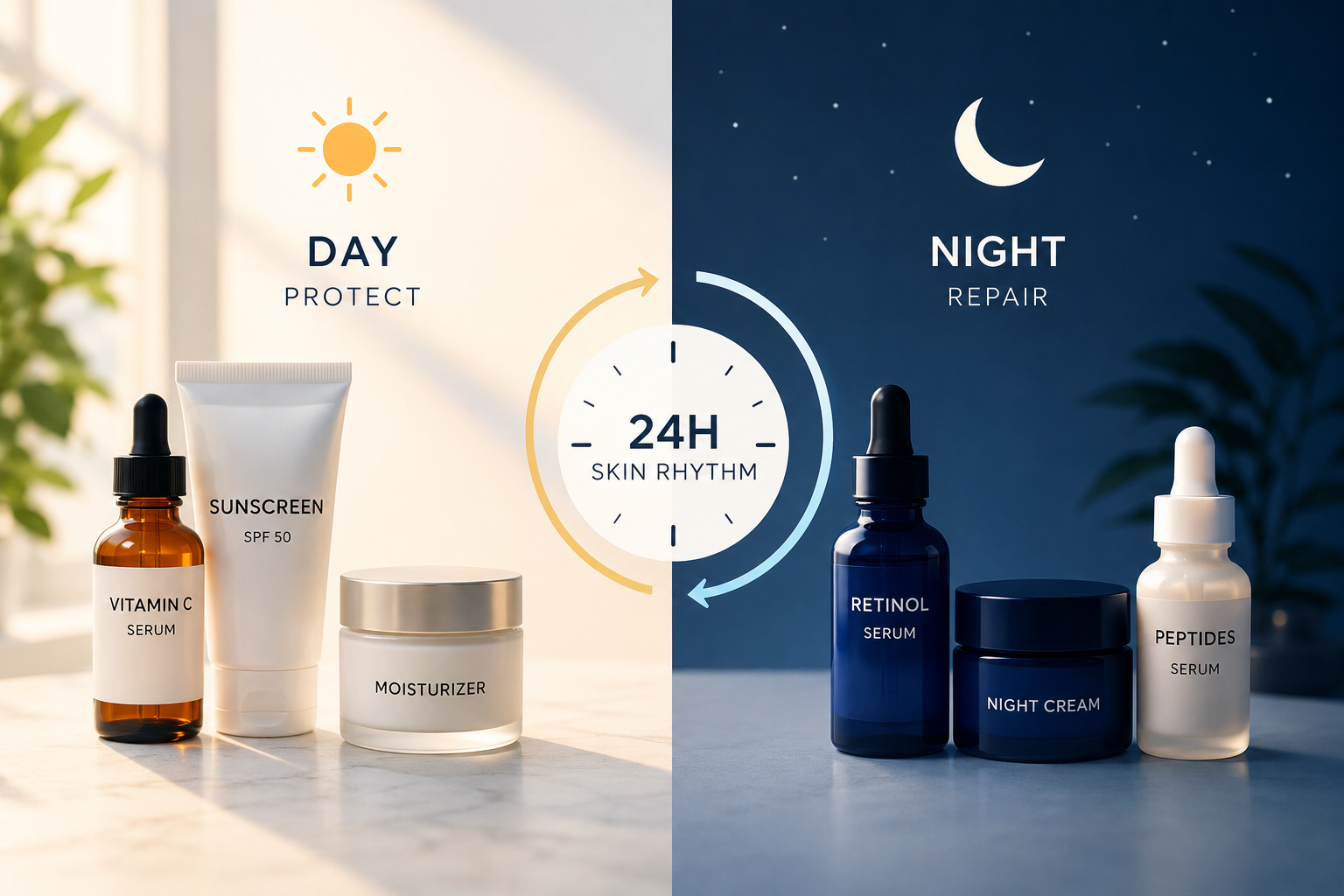
- Morning: Cleanser → Hyaluronic Acid Serum → Moisturizer → Broad-Spectrum Sunscreen
- Evening: Cleanser → Hyaluronic Acid Serum → Moisturizer
Individuals using retinoids, exfoliating acids, or vitamin C often benefit from applying hyaluronic acid alongside these products to help minimize dryness and support the skin barrier.
How to Choose the Right Hyaluronic Acid Product
Not all hyaluronic acid products are identical. Product formulation often matters more than concentration alone.
When selecting a serum or moisturizer, look for:
- Multiple molecular weights of hyaluronic acid for surface and upper-layer hydration.
- Barrier-supporting ingredients such as ceramides, glycerin, or panthenol.
- Fragrance-free formulas if you have sensitive skin.
- Air-tight or opaque packaging that helps preserve product stability.
- Products from reputable brands that publish ingredient transparency.
Higher percentages do not automatically produce better results. Well-formulated products containing moderate concentrations frequently perform as well as products advertising extremely high percentages.
Common Myths About Hyaluronic Acid
Myth 1: Hyaluronic Acid Is an Exfoliating Acid
False. Despite its name, hyaluronic acid is not an exfoliant like glycolic acid or salicylic acid. Its primary function is hydration, not removing dead skin cells.
Myth 2: It Permanently Removes Wrinkles
False. Hyaluronic acid reduces the appearance of fine lines by improving hydration and skin plumpness. It does not permanently eliminate wrinkles or reverse aging.
Myth 3: Oily Skin Doesn't Need Hyaluronic Acid
False. Oily skin can still become dehydrated. Lightweight hyaluronic acid serums help increase hydration without making the skin feel greasy, making them suitable for oily and acne-prone skin.
Myth 4: More Is Always Better
False. Applying excessive amounts of serum does not produce proportionally greater benefits. Consistent daily use following the correct application method is far more important than using large quantities.
Who Can Benefit Most from Hyaluronic Acid?
Research and clinical experience suggest hyaluronic acid benefits nearly every skin type because hydration is fundamental to healthy skin function.
- People with dry or dehydrated skin.
- Adults noticing fine lines and early signs of aging.
- Individuals with sensitive or easily irritated skin.
- People with oily or combination skin needing lightweight hydration.
- Anyone recovering from environmental damage caused by cold weather, sun exposure, or indoor heating.
- Individuals using retinoids or exfoliating acids that increase skin dryness.
Its versatility is one reason hyaluronic acid remains one of the most widely recommended ingredients by dermatologists worldwide.
Potential Side Effects and Safety
Topical hyaluronic acid is widely regarded as one of the safest skincare ingredients available. Numerous clinical studies and dermatology reviews report a very low risk of irritation, making it suitable for long-term daily use in most individuals.[1][2]
Unlike stronger active ingredients such as retinoids or alpha hydroxy acids, hyaluronic acid does not increase photosensitivity, thin the skin, or disrupt the skin barrier when used appropriately.
However, individual reactions can still occur. Some users may experience mild irritation, redness, or itching, usually due to other ingredients in the product rather than hyaluronic acid itself, such as fragrances, preservatives, or alcohol-based formulations.
To minimize the risk of irritation:
- Perform a patch test before using any new skincare product.
- Choose fragrance-free formulations if you have sensitive skin.
- Avoid applying to broken or infected skin unless directed by a healthcare professional.
- Follow with a moisturizer to help retain hydration.
Who Should Be Careful?
Although hyaluronic acid is appropriate for most people, a few situations require additional caution.
- Individuals with known allergies to cosmetic ingredients should review the complete ingredient list before use.
- People recovering from cosmetic procedures such as laser resurfacing or chemical peels should follow their dermatologist's specific skincare recommendations.
- Anyone experiencing persistent irritation, swelling, burning, or worsening skin symptoms should discontinue use and seek medical advice.
- People using prescription dermatology treatments should consult their dermatologist before introducing multiple new skincare products simultaneously.
Evidence Strength Summary
| Claim | Evidence Strength |
|---|---|
| Improves skin hydration | ★★★★★ Strong |
| Supports skin barrier function | ★★★★★ Strong |
| Improves skin smoothness | ★★★★★ Strong |
| Reduces appearance of fine lines | ★★★★☆ Moderate to Strong |
| Improves elasticity | ★★★★☆ Moderate |
| Stimulates collagen production directly | ★★☆☆☆ Limited Evidence |
| Reverses skin aging permanently | ★☆☆☆☆ Unsupported |
Practical Tips for Maximum Results
- Apply hyaluronic acid immediately after cleansing while the skin remains slightly damp.
- Always seal the serum with a moisturizer to reduce transepidermal water loss.
- Wear broad-spectrum SPF 30 or higher every morning to protect collagen and naturally occurring hyaluronic acid from UV damage.[7]
- Maintain adequate hydration through a balanced diet and healthy fluid intake, although topical hydration remains the primary mechanism for skin benefits.
- Use the product consistently for at least four to eight weeks before evaluating visible improvements.
- Combine hyaluronic acid with evidence-based ingredients such as niacinamide, ceramides, peptides, vitamin C, or retinoids for a comprehensive skincare routine.
Conclusion
Hyaluronic acid remains one of the most thoroughly researched and dermatologist-recommended skincare ingredients for improving skin hydration and supporting healthy aging. Rather than changing the skin permanently, it enhances moisture retention, strengthens the skin barrier, improves texture, and reduces the visible appearance of dehydration-related fine lines.
Current scientific evidence consistently supports its safety, effectiveness, and suitability for nearly every skin type. When combined with daily sunscreen, a balanced skincare routine, and healthy lifestyle habits, hyaluronic acid can play an important role in maintaining smoother, healthier, and more resilient skin throughout life.[1][2][3][4][5][6][7]
References
- Papakonstantinou E, Roth M, Karakiulakis G. Hyaluronic acid: A key molecule in skin aging. Dermato-Endocrinology. 2012. https://doi.org/10.4161/derm.21923
- Fallacara A, Baldini E, Manfredini S, Vertuani S. Hyaluronic acid in the third millennium. Polymers. 2018;10(7):701. https://doi.org/10.3390/polym10070701
- Wang F, Garza LA, Kang S, et al. In vivo stimulation of de novo collagen production caused by cross-linked hyaluronic acid dermal filler injections. Dermatologic Surgery.
- Pavicic T, Gauglitz GG, Lersch P, et al. Efficacy of topical hyaluronic acid of different molecular weights in facial hydration and wrinkle reduction: A randomized controlled trial. Journal of Drugs in Dermatology.
- Draelos ZD. The science behind skin hydration and topical humectants. Journal of Cosmetic Dermatology.
- Salwowska NM, Bebenek KA, Żądło DA, Wcisło-Dziadecka DL. Physiochemical properties and applications of hyaluronic acid. Journal of Cosmetic Dermatology.
- American Academy of Dermatology. Sunscreen: How to help prevent premature skin aging. Clinical Guidance.