- Loose belly skin is primarily caused by stretched collagen and elastin fibers.
- Gradual weight loss is more skin-friendly than rapid weight loss.
- Protein, vitamin C, zinc, copper, and omega-3 fats support normal collagen production.
- Resistance training can improve body composition and make loose skin appear firmer.
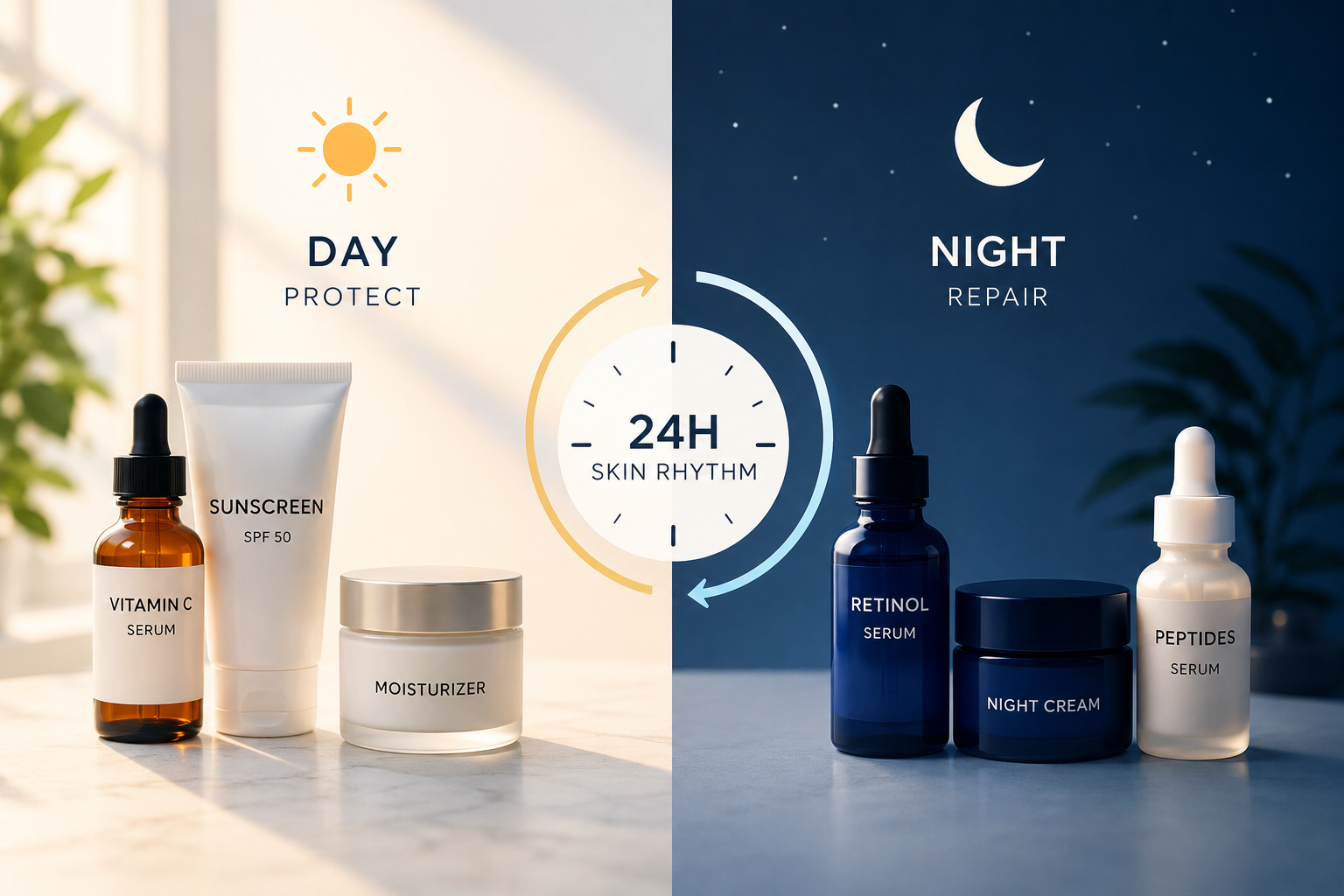
- Daily sunscreen and moisturization help protect existing collagen.
- Topical retinoids have the strongest evidence among skincare ingredients for stimulating collagen production.
- Severe excess skin often requires professional medical treatments for significant improvement.
Quick Facts
| Topic | Evidence-Based Information |
|---|---|
| Main Cause | Loss of collagen and elastin following prolonged skin stretching, aging, and environmental damage. |
| Common Triggers | Pregnancy, significant weight loss, aging, sun exposure, smoking, and genetics. |
| Best Lifestyle Strategy | Resistance training, adequate protein intake, hydration, and gradual weight management. |
| Best Proven Skincare Ingredients | Retinoids, peptides, hyaluronic acid, ceramides, niacinamide, and glycerin. |
| Expected Timeline | Visible improvement usually requires several months of consistent care. |
| When Medical Treatment May Help | Moderate to severe loose skin that does not improve with lifestyle measures. |
Introduction
Loose skin around the abdomen is one of the most common cosmetic concerns after pregnancy, major weight loss, and natural aging. Although skin is remarkably elastic, its ability to stretch and return to its original shape depends largely on healthy collagen and elastin fibers. When these supportive proteins become damaged or depleted, the skin may appear loose, thin, or creased.
Many products promise to tighten loose skin within days, but scientific evidence tells a different story. Skin remodeling is a slow biological process that depends on nutrition, physical activity, skincare, genetics, age, and the degree of skin stretching. Understanding what actually improves skin elasticity can help you focus on strategies supported by research instead of marketing claims.[1–6]
Why This Matters
Pregnancy and substantial weight loss improve health in many ways, yet they often leave behind loose abdominal skin that affects confidence, comfort, and quality of life. For some people, excess skin can also cause irritation, chafing, fungal infections, or difficulty exercising.
While complete restoration is not always possible without medical procedures, evidence-based lifestyle habits can improve skin hydration, collagen production, skin barrier function, and overall appearance. Knowing what works—and what does not—can save both time and money while setting realistic expectations.[2,4,7]
Why Belly Skin Loses Elasticity
The skin consists of three primary layers: the epidermis, dermis, and subcutaneous tissue. Most of the skin's strength comes from collagen fibers, while elastin allows the skin to stretch and recoil after movement.
During pregnancy or weight gain, the abdominal skin expands to accommodate increasing body size. When stretching persists for months, collagen and elastin fibers become thinner, fragmented, and less organized. Aging further slows collagen production while increasing the activity of enzymes called matrix metalloproteinases (MMPs), which gradually break down existing collagen. Together, these changes reduce skin firmness and elasticity.[1,3,5,8]
- Pregnancy
- Rapid weight gain
- Significant weight loss
- Natural aging
- Excess ultraviolet (UV) exposure
- Smoking and nicotine exposure
- Poor nutrition
- Chronic dehydration
- Genetics
- Reduced muscle mass
Can Belly Skin Tighten Naturally?
Yes—but the degree of improvement depends on several factors, including your age, genetics, the amount of weight lost, pregnancy history, smoking status, and the extent of collagen damage.
Mild to moderate skin laxity often improves gradually with resistance exercise, balanced nutrition, healthy body composition, topical retinoids, and consistent hydration. However, severe excess skin following major weight loss usually contains permanently stretched connective tissue that cannot fully contract on its own. In these situations, dermatologic procedures or body-contouring surgery may provide the most noticeable results.[4,7,9]
What the Science Says
Research consistently shows that skin elasticity is influenced by collagen density, elastin integrity, dermal hydration, and overall skin barrier health. Clinical studies support retinoids for stimulating collagen production, while resistance training improves body composition and muscle definition beneath the skin. Adequate dietary protein, vitamin C, zinc, and copper provide essential nutrients required for normal collagen synthesis. Although these interventions cannot completely remove severe loose skin, they can improve skin quality and support healthier tissue remodeling over time.[3,5,6,10]
1. Prioritize High-Quality Protein
Protein provides the amino acids needed to build collagen, elastin, and other structural proteins that support healthy skin. While eating more protein alone will not tighten loose skin, consuming enough protein helps maintain lean muscle mass and supports normal tissue repair, especially after weight loss or pregnancy.[5,11]
Aim to include a high-quality protein source with each meal. Good options include:
- Skinless poultry
- Fish and seafood
- Eggs
- Greek yogurt
- Low-fat dairy products
- Beans and lentils
- Soy foods such as tofu and tempeh
- Lean beef in moderation
2. Eat Nutrients That Support Collagen Production
Collagen production depends on several vitamins and minerals. A diet rich in whole foods provides the nutrients your skin needs to repair and maintain its structure.
| Nutrient | Role in Skin Health | Food Sources |
|---|---|---|
| Vitamin C | Essential for collagen synthesis | Citrus fruits, strawberries, kiwi, bell peppers |
| Protein | Provides collagen-building amino acids | Fish, eggs, poultry, beans, dairy |
| Zinc | Supports wound healing and tissue repair | Seafood, meat, pumpkin seeds |
| Copper | Helps stabilize collagen and elastin fibers | Nuts, seeds, whole grains |
| Omega-3 Fatty Acids | Support skin barrier function | Salmon, sardines, walnuts, flaxseed |
| Vitamin A | Supports normal skin cell turnover | Sweet potatoes, carrots, spinach |
Unless prescribed by your healthcare provider, obtaining these nutrients from a balanced diet is generally preferred over relying solely on supplements.[3,6,10]
3. Stay Well Hydrated
Hydration helps maintain the skin's barrier function and elasticity. Although drinking extra water does not directly tighten loose skin, dehydration can make skin appear drier, less supple, and more wrinkled.
Drink enough fluids throughout the day and include water-rich foods such as cucumbers, watermelon, oranges, tomatoes, and leafy vegetables. Topical moisturizers further improve skin hydration by reducing water loss from the skin.[12]
4. Use Evidence-Based Skincare Ingredients
No cream can remove severe loose skin, but several topical ingredients have been shown to improve skin hydration, barrier function, and the appearance of mild skin laxity.
| Ingredient | Main Benefit | Evidence |
|---|---|---|
| Retinoids | Stimulate collagen production | Strong |
| Peptides | Support collagen signaling | Moderate |
| Hyaluronic Acid | Improves hydration and skin plumpness | Strong |
| Ceramides | Strengthen the skin barrier | Strong |
| Niacinamide | Improves barrier function and elasticity | Moderate |
| Glycerin | Attracts and retains moisture | Strong |
Apply moisturizer daily, especially after bathing, to help maintain hydration and support healthy skin barrier function. Retinoids should be introduced gradually and are generally not recommended during pregnancy unless specifically prescribed by a healthcare professional.[2,6,13]
5. Build Muscle With Resistance Training
Resistance exercise cannot shrink excess skin, but increasing muscle mass beneath the skin can improve body contour and make mild skin laxity appear less noticeable. Strength training also helps preserve lean muscle during weight loss, supporting healthier body composition.[14]
Focus on full-body resistance exercises at least two to three times per week.
- Squats
- Lunges
- Planks
- Dead Bugs
- Glute Bridges
- Resistance Band Exercises
- Progressive Weight Training
6. Lose Weight Gradually
Rapid weight loss places greater stress on already stretched skin. Losing weight gradually gives the skin more time to adapt while helping preserve lean muscle mass.
Most clinical guidelines recommend aiming for a sustainable rate of weight loss rather than pursuing aggressive calorie restriction or crash diets.[15]
7. Protect Your Skin From Sun Damage
Ultraviolet (UV) radiation is one of the leading causes of premature skin aging. Both UVA and UVB rays accelerate collagen breakdown, increase oxidative stress, and reduce skin elasticity over time. Although the abdomen is often covered, repeated sun exposure during outdoor activities, swimming, or tanning can contribute to looser, less resilient skin.[2,3,13]
Whenever your abdomen is exposed to sunlight:
- Apply a broad-spectrum sunscreen with SPF 30 or higher.
- Reapply every two hours during prolonged outdoor exposure.
- Wear protective clothing when practical.
- Avoid intentional tanning and tanning beds.
8. Avoid Smoking and Nicotine Products
Smoking accelerates skin aging by reducing blood flow, increasing oxidative stress, and activating enzymes that break down collagen and elastin. Research consistently associates tobacco use with reduced skin elasticity, slower wound healing, and earlier wrinkle formation.[16]
Quitting smoking benefits not only your heart and lungs but also supports healthier skin repair and collagen maintenance over time.
9. Prioritize Quality Sleep
During sleep, the body performs many of its normal repair processes, including skin barrier recovery and collagen remodeling. Chronic sleep deprivation has been linked to impaired skin barrier function, slower recovery from environmental stress, and accelerated visible skin aging.[17]
Aim for 7–9 hours of quality sleep each night and maintain a consistent sleep schedule whenever possible.
10. Manage Chronic Stress
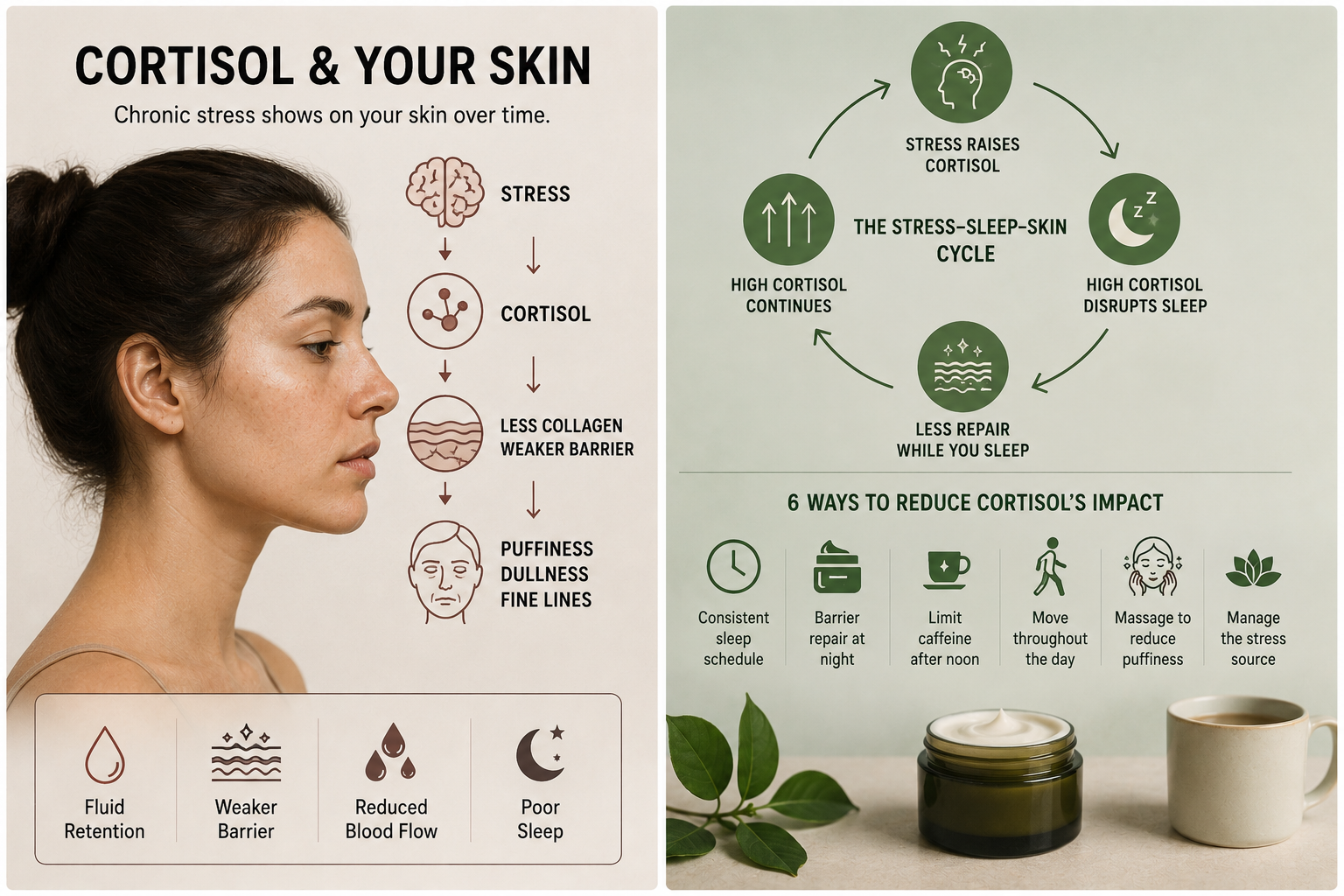
Long-term psychological stress increases cortisol levels, which may negatively affect collagen production, wound healing, and overall skin health. While stress alone does not directly cause loose skin, managing chronic stress supports healthier aging and overall tissue repair.[18]
Helpful stress-management strategies include:
- Regular physical activity
- Mindfulness or meditation
- Deep breathing exercises
- Adequate sleep
- Maintaining social connections
Professional Treatments for Loose Belly Skin
If lifestyle changes produce limited improvement, certain medical procedures may help improve mild to moderate skin laxity. The best treatment depends on the amount of excess skin, overall health, and individual goals.
| Treatment | Best For | Evidence |
|---|---|---|
| Topical Retinoids | Mild skin laxity | Strong |
| Microneedling | Mild to moderate laxity | Moderate |
| Radiofrequency Skin Tightening | Mild to moderate laxity | Moderate |
| Focused Ultrasound | Selected patients with mild laxity | Moderate |
| Laser Skin Tightening | Texture and mild laxity | Moderate |
| Abdominoplasty (Tummy Tuck) | Severe excess skin after major weight loss or pregnancy | Strong |
Consult a board-certified dermatologist or plastic surgeon before pursuing cosmetic procedures. They can determine whether non-invasive treatments are appropriate or whether surgery is likely to provide the best outcome.[19,20]
Benefits of Improving Belly Skin Elasticity
- Improves skin hydration and overall skin quality.
- Supports healthy collagen and elastin maintenance.
- Enhances body contour when combined with resistance training.
- May reduce skin irritation caused by dry, fragile skin.
- Promotes healthier skin aging through consistent lifestyle habits.
- Encourages long-term wellness rather than temporary cosmetic fixes.
Risks and Limitations
- No cream, supplement, or exercise can completely remove severe excess skin.
- Results usually require several months of consistent care.
- Genetics and age significantly influence skin elasticity.
- Rapid weight fluctuations may reduce long-term improvement.
- Some cosmetic procedures carry potential risks, recovery time, and financial cost.
- Collagen supplements may benefit some people, but current evidence remains mixed and generally less robust than lifestyle-based interventions.[21]
Evidence Strength
| Intervention | Evidence Level |
|---|---|
| Resistance Training | Strong |
| Adequate Protein Intake | Strong |
| Topical Retinoids | Strong |
| Daily Sunscreen Use | Strong |
| Peptides | Moderate |
| Radiofrequency Therapy | Moderate |
| Microneedling | Moderate |
| Collagen Supplements | Limited to Moderate |
Common Myths About Belly Skin Elasticity
Myth 1: Creams can completely tighten loose belly skin.
Fact: No topical cream can remove significant excess skin. Moisturizers improve hydration and skin barrier function, while ingredients such as retinoids can stimulate collagen production and improve mild skin laxity over time. Severe loose skin generally requires medical procedures for substantial improvement.[2,6,19]
Myth 2: Collagen supplements alone can restore skin elasticity.
Fact: Some clinical studies suggest hydrolyzed collagen peptides may improve skin hydration and elasticity, but results vary. Supplements should complement—not replace—a healthy diet, resistance training, and evidence-based skincare.[21,22]
Myth 3: Rapid weight loss helps skin tighten faster.
Fact: Rapid weight loss often leaves the skin with less time to adapt. Gradual, sustainable weight loss combined with strength training generally supports better body composition and skin appearance.[15]
Myth 4: Drinking large amounts of water alone tightens loose skin.
Fact: Good hydration supports healthy skin function, but water alone cannot rebuild damaged collagen or elastin. Skin elasticity depends on multiple factors, including age, genetics, nutrition, exercise, and overall skin health.[12]
Myth 5: Exercise removes loose skin.
Fact: Exercise cannot shrink excess skin. However, building muscle beneath the skin can improve body contour and make mild skin laxity appear less noticeable.[14]
Who Should Pay Attention?
Anyone can benefit from healthy skin habits, but these recommendations are especially relevant for:
- People after pregnancy.
- Individuals who have lost a significant amount of weight.
- Adults over 40 experiencing age-related collagen loss.
- People with frequent sun exposure.
- Current or former smokers.
- Individuals with poor dietary protein intake.
- People considering cosmetic skin-tightening procedures.
If loose skin causes persistent rashes, infections, discomfort during physical activity, or emotional distress, consult a board-certified dermatologist or plastic surgeon for an individualized treatment plan.[19,20]
Bottom Line
Improving skin elasticity around the belly is a gradual process rather than an overnight transformation. Research supports combining adequate protein, collagen-supporting nutrients, resistance exercise, topical retinoids, daily moisturization, hydration, sun protection, quality sleep, and smoking cessation to support healthier, firmer-looking skin.
While these strategies can improve mild to moderate skin laxity, they cannot completely reverse severe excess skin caused by major weight loss or pregnancy. In those situations, medical procedures such as radiofrequency therapy, microneedling, laser treatments, or body-contouring surgery may provide more significant results. Setting realistic expectations and focusing on long-term consistency offers the greatest chance of improving both skin health and overall well-being.[2,6,19,20]
References
- American Academy of Dermatology. Skin Care Basics and Skin Aging.
- American Academy of Dermatology. How to Prevent Premature Skin Aging.
- National Institute on Aging. Skin Care and Aging.
- Mayo Clinic. Loose Skin After Weight Loss: Causes and Treatment Options.
- Proksch E, et al. Oral Collagen Peptide Supplementation and Skin Physiology. Skin Pharmacology and Physiology.
- Mukherjee S, et al. Retinoids in the Treatment of Skin Aging. Clinical Interventions in Aging.
- American Society for Dermatologic Surgery. Skin Laxity Treatments.
- Fisher GJ, et al. Mechanisms of Photoaging and Collagen Degradation. Journal of Investigative Dermatology.
- American Society of Plastic Surgeons. Body Contouring After Major Weight Loss.
- National Institutes of Health. Nutrition and Skin Health.
- Wolfe RR. Dietary Protein and Muscle Health. American Journal of Clinical Nutrition.
- Institute of Medicine. Dietary Reference Intakes for Water.
- American Academy of Dermatology. Sunscreen Recommendations.
- American College of Sports Medicine. Resistance Training Guidelines.
- Centers for Disease Control and Prevention. Healthy Weight Loss Recommendations.
- U.S. Surgeon General. The Health Consequences of Smoking.
- Oyetakin-White P, et al. Effects of Sleep Quality on Skin Function and Aging. Clinical and Experimental Dermatology.
- Chen Y, Lyga J. Brain-Skin Connection and Stress-Related Skin Aging. Inflammation & Allergy Drug Targets.
- American Society for Dermatologic Surgery. Radiofrequency and Skin Tightening.
- American Society of Plastic Surgeons. Abdominoplasty Clinical Guidance.
- de Miranda RB, et al. Effects of Hydrolyzed Collagen Supplementation on Skin Aging: Systematic Review and Meta-analysis. International Journal of Dermatology.
- Pu SY, et al. Oral Collagen Supplementation for Skin Aging: Systematic Review. Nutrients.