Key Takeaways
- "Ozempic feet" refers to foot changes associated with rapid weight loss rather than a direct drug reaction.
- Loss of plantar fat pads, reduced lean muscle mass, and loose skin are believed to be the primary contributors.
- Symptoms range from visible veins and sagging skin to heel pain, forefoot discomfort, and changes in shoe size.
- People with diabetes, older adults, and individuals experiencing rapid weight loss should monitor foot health closely.
- Adequate protein intake, resistance training, supportive footwear, and gradual weight loss may help reduce the risk.
Introduction
As GLP-1 medications continue transforming obesity treatment, doctors are observing body changes that extend beyond the number on the scale. Alongside widely discussed terms such as "Ozempic face" and "Ozempic butt," another phrase has emerged across clinics and social media: "Ozempic feet."
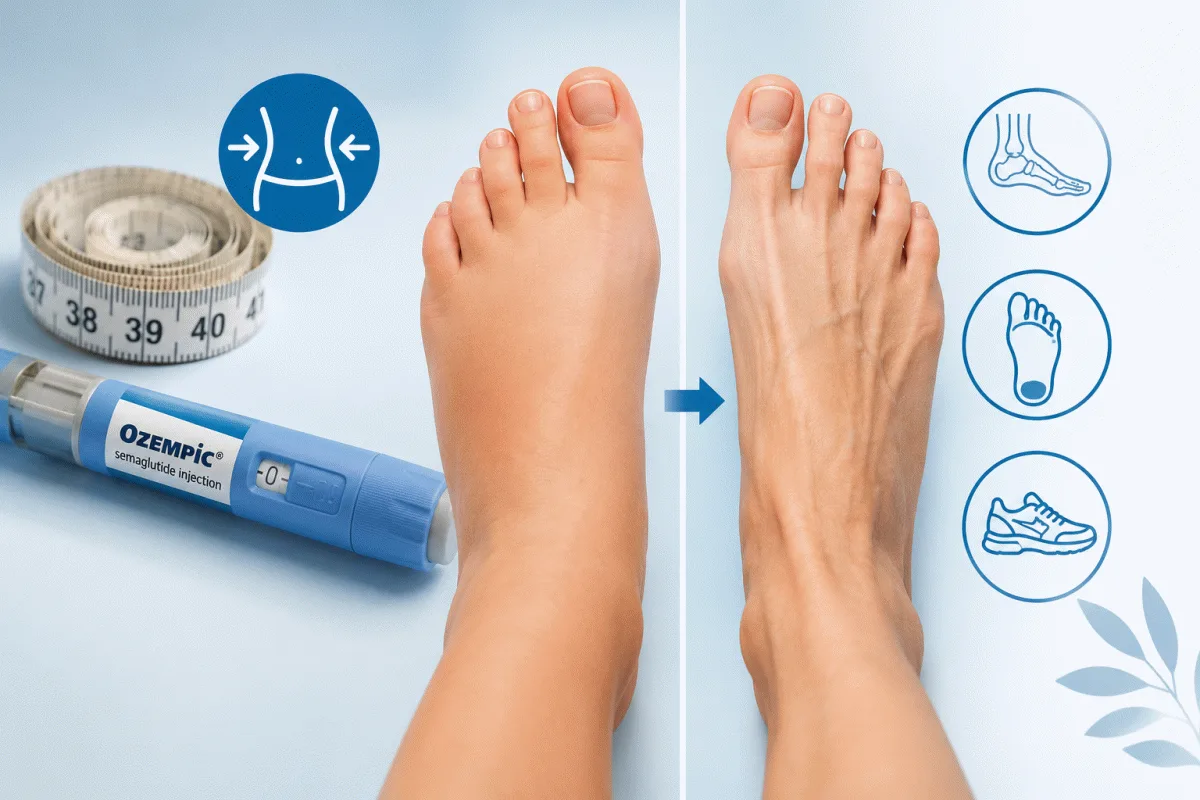
The name may sound unusual, but it reflects a real observation. After substantial weight loss, some people notice that their feet appear bonier, veins become more prominent, shoes fit differently, or walking becomes less comfortable. These changes can be surprising because most people expect weight loss to affect their waistline or face—not their feet.
Importantly, "Ozempic feet" is not an officially recognized adverse effect listed by manufacturers or regulatory agencies. Instead, healthcare professionals generally believe it represents the body's normal response to rapid fat and muscle loss, similar to changes seen after bariatric surgery or other forms of significant weight reduction.
Current scientific evidence specifically studying "Ozempic feet" remains limited. However, there is strong evidence that GLP-1 therapies can produce substantial body composition changes, including reductions in fat mass and lean body mass, particularly when weight loss occurs quickly. These physiological changes provide a biologically plausible explanation for the foot changes reported by many patients.
Understanding why these changes occur can help you distinguish between expected cosmetic changes and symptoms that warrant medical evaluation. It also allows you to take proactive steps to preserve foot comfort and mobility throughout your weight-loss journey.
Why This Matters
GLP-1 receptor agonists have become one of the most effective medical treatments for obesity and type 2 diabetes. Clinical trials have shown average weight loss ranging from approximately 15% to more than 20% of body weight with newer medications when combined with lifestyle interventions. Such dramatic weight reduction can improve blood sugar control, cardiovascular health, sleep apnea, fatty liver disease, and overall quality of life.
However, rapid weight loss also changes body composition throughout the body—including areas many people never consider. The feet contain specialized fat pads beneath the heel and forefoot that act as natural shock absorbers. As overall body fat decreases, these protective cushions may also become thinner, potentially changing how pressure is distributed while standing and walking.
For many individuals, these changes are largely cosmetic. Others, however, may experience heel pain, forefoot discomfort, calluses, shoe-fitting problems, or increased fatigue while walking. These issues may be especially important for older adults and people living with diabetes, whose feet may already be more vulnerable to injury.
Understanding the difference between expected changes and concerning symptoms helps patients continue benefiting from GLP-1 therapy while minimizing preventable complications. Most importantly, the appearance of "Ozempic feet" should never discourage appropriate weight-loss treatment when medically indicated. Instead, it highlights the importance of preserving muscle mass, maintaining good nutrition, and protecting foot health throughout treatment.
Ozempic Feet vs. Normal Foot Aging vs. Diabetes-Related Foot Problems
| Feature | "Ozempic Feet" | Normal Aging | Diabetes-Related Foot Disease |
|---|---|---|---|
| Main cause | Rapid weight loss causing fat and muscle loss | Gradual age-related fat pad thinning and reduced skin elasticity | Peripheral neuropathy, poor circulation, and long-term high blood sugar |
| Typical onset | Weeks to months after significant weight loss | Gradual over many years | Usually develops over several years of diabetes |
| Common appearance | More visible veins and tendons, looser skin, bonier-looking feet | Mild fat pad loss, wrinkles, thinner skin | Calluses, ulcers, deformities, skin color changes, infections |
| Pain | Possible heel or forefoot discomfort due to reduced cushioning | Usually mild unless arthritis develops | May be painless because of nerve damage or painful due to ulcers and infection |
| Can it be prevented? | Often partly reduced through gradual weight loss, strength training, protein intake, and supportive footwear | Cannot be completely prevented but supportive footwear may help | Risk can be greatly reduced with good diabetes control and regular foot care |
What Is "Ozempic Feet"?
"Ozempic feet" is an informal, non-medical term describing changes in the appearance and comfort of the feet following significant weight loss, particularly among people using GLP-1 receptor agonists such as Ozempic® (semaglutide), Wegovy®, Mounjaro® (tirzepatide), and Zepbound®.
Importantly, no medical organization currently recognizes "Ozempic feet" as a disease or an officially listed adverse effect of these medications. Instead, it represents a collection of physical changes that clinicians have increasingly observed as more patients achieve substantial weight loss with modern obesity treatments.
These changes may include:
- Feet appearing bonier or narrower than before.
- More noticeable veins, tendons, and bony prominences.
- Loose or wrinkled skin over the top of the feet.
- Reduced natural cushioning beneath the heel and forefoot.
- Shoes becoming noticeably looser or requiring a smaller size.
- New discomfort while standing or walking for long periods.
These changes are not unique to GLP-1 medications. Similar observations have long been reported after bariatric surgery, medically supervised very-low-calorie diets, cancer-related weight loss, and other situations involving rapid fat loss. This strongly suggests that the primary driver is the speed and magnitude of weight reduction rather than a direct effect of semaglutide or tirzepatide themselves.
In other words, GLP-1 medications do not appear to damage the feet directly. Instead, they help produce significant weight loss, which may alter the body's fat distribution, muscle mass, and skin appearance—including the feet.
What Causes Ozempic Feet?
Current evidence suggests that several biological processes work together to produce these changes. Rather than having a single cause, "Ozempic feet" likely develops from a combination of fat loss, muscle loss, skin remodeling, and biomechanical adaptation during rapid weight reduction.
1. Loss of Protective Fat Pads
The bottoms of your feet contain specialized fat pads beneath the heel and the ball of the foot. These structures act as natural shock absorbers, helping distribute pressure during walking, running, and standing.
As body fat decreases, these protective cushions may also become thinner. Less padding means that bones experience greater pressure against the ground, potentially leading to discomfort, tenderness, calluses, or the sensation of "walking on pebbles." This mechanism is well recognized in older adults and people who have experienced substantial weight loss from various causes.
2. Loss of Lean Muscle Mass
Weight loss does not consist entirely of fat. Even with appropriate nutrition, some lean body mass—including skeletal muscle—is typically lost during calorie restriction.
A 2025 systematic review and meta-analysis published in Obesity reported that lean mass represented a meaningful proportion of total weight lost during GLP-1 receptor agonist therapy, although the percentage varied across studies depending on medication, duration, exercise habits, and dietary protein intake.
The feet contain numerous small intrinsic muscles that stabilize the arch, support balance, and assist normal walking mechanics. Reduced muscle mass may contribute to altered foot biomechanics, decreased stability, and increased pressure on certain areas of the foot.
3. Skin Laxity Following Rapid Weight Loss
Skin adapts more slowly than fat disappears. When body weight decreases rapidly, collagen and elastin fibers may not immediately contract enough to match the new body contour.
As a result, the skin covering the top of the feet may appear loose, wrinkled, or deflated. This is the same biological process thought to contribute to widely discussed changes such as "Ozempic face," loose skin on the arms, and changes around the neck or abdomen after substantial weight loss.
4. Changes in Foot Shape and Shoe Fit
Weight loss affects more than body size—it can also change foot dimensions. As soft tissue volume decreases, feet may become narrower or slightly shorter, causing previously comfortable shoes to feel loose.
Poorly fitting shoes increase friction and pressure points, potentially contributing to blisters, instability, and discomfort. Some individuals find they need a smaller shoe size or a different shoe width after losing a significant amount of weight.
5. Altered Walking Mechanics
Weight reduction changes how forces are transmitted through the feet, ankles, knees, and hips. While carrying less body weight generally decreases stress on weight-bearing joints, the body often requires time to adapt to these new mechanics.
Temporary changes in gait, posture, muscle activation, and balance may contribute to soreness until muscles strengthen and movement patterns adjust. Regular resistance training and foot-strengthening exercises may help improve this transition.
6. Age and Pre-Existing Foot Conditions
Not everyone develops noticeable foot changes. Older adults naturally lose some plantar fat padding with age, while conditions such as arthritis, flat feet, plantar fasciitis, bunions, or diabetes may make changes more noticeable after weight loss.
These underlying conditions can amplify symptoms, even though the GLP-1 medication itself is not the direct cause.
Overall, current evidence supports the conclusion that "Ozempic feet" reflects the body's adaptation to significant weight loss rather than toxicity from GLP-1 medications. More dedicated clinical research is still needed to determine how common these changes are and which patients are most likely to experience them.
Signs and Symptoms of Ozempic Feet
The severity of "Ozempic feet" varies considerably. Some people notice only cosmetic changes, while others experience symptoms that affect comfort, walking, or exercise. Most changes develop gradually over several weeks or months as weight loss progresses.
Commonly reported signs and symptoms include:
- More visible veins, tendons, and bones on the top of the feet.
- Loose, wrinkled, or sagging skin.
- Feet appearing noticeably narrower or smaller.
- Shoes feeling loose or slipping at the heel.
- Reduced cushioning under the heel or ball of the foot.
- Aching or soreness after standing or walking.
- A sensation of walking directly on hard surfaces or small stones.
- Development of new pressure points, corns, or calluses.
- Occasional balance changes due to altered foot mechanics.
These symptoms usually develop alongside significant weight loss rather than immediately after starting a GLP-1 medication. Cosmetic changes alone are generally not a medical emergency. However, persistent pain, swelling, redness, numbness, open sores, or difficulty walking should always be evaluated by a healthcare professional.
When Should You See a Healthcare Provider?
Contact your healthcare provider or a podiatrist if you experience:
- Persistent heel, forefoot, or arch pain lasting more than a few weeks.
- Open wounds, blisters, ulcers, or skin breakdown.
- Foot swelling, warmth, redness, or signs of infection.
- Numbness, tingling, burning sensations, or reduced feeling.
- Sudden changes in your ability to walk or maintain balance.
- Any new foot problem if you have diabetes, peripheral neuropathy, or poor circulation.
People with diabetes should continue performing daily foot inspections, even if they are losing weight successfully on GLP-1 therapy. Early detection of pressure points or skin injury remains one of the most effective ways to prevent serious complications.
What the Science Says
Although "Ozempic feet" has received considerable attention in the media and on social platforms, direct scientific research specifically investigating this condition remains limited. At present, most published information comes from clinician observations, expert commentary, and our understanding of how rapid weight loss affects body composition.
However, several areas of established research help explain why these foot changes are biologically plausible.
Strong Evidence: GLP-1 Medications Produce Significant Weight Loss
Large randomized clinical trials have consistently shown that semaglutide and tirzepatide can produce substantial weight loss in people with obesity. The STEP clinical trial program demonstrated average weight reductions approaching 15% with semaglutide alongside lifestyle intervention, while the SURMOUNT trials reported even greater average reductions with tirzepatide in many participants.
These studies provide high-quality evidence that modern GLP-1 therapies can rapidly reduce body fat, creating the conditions under which visible changes in body contour—including the feet—may occur.
Strong Evidence: Lean Body Mass Also Declines During Weight Loss
Weight loss involves reductions in both fat mass and lean body mass. A systematic review and meta-analysis published in Obesity concluded that lean tissue accounts for a meaningful proportion of total weight loss during GLP-1 receptor agonist treatment, although exercise and adequate protein intake may help preserve muscle.
Because the feet rely on numerous small stabilizing muscles, reductions in lean mass could contribute to altered gait mechanics, decreased support, and changes in pressure distribution.
Moderate Evidence: Plantar Fat Pad Thickness Influences Foot Comfort
Research unrelated to GLP-1 medications has long demonstrated that thinning of the heel and forefoot fat pads reduces shock absorption and increases localized pressure during walking. Similar findings have been reported in aging populations and individuals who have experienced significant weight loss through other methods.
Although no large clinical trials have directly measured plantar fat pad changes after GLP-1 therapy, current anatomical knowledge strongly supports this proposed mechanism.
Emerging Evidence: Clinician Reports of Ozempic Feet
Podiatrists, endocrinologists, dermatologists, and physical therapists have increasingly described patients developing visible foot changes after rapid weight loss. While these observations are clinically valuable, they should be interpreted cautiously because they are not yet supported by large prospective studies.
Future research will be needed to determine:
- How common Ozempic feet truly is.
- Whether certain GLP-1 medications carry different risks.
- How much weight loss typically triggers noticeable changes.
- Whether resistance training or nutritional strategies reduce the likelihood of developing symptoms.
- High-quality evidence: GLP-1 medications cause substantial weight loss and improve obesity-related health outcomes.
- High-quality evidence: Weight loss includes reductions in both fat mass and lean body mass.
- Moderate evidence: Loss of plantar fat padding can increase foot pressure and discomfort.
- Limited evidence: "Ozempic feet" itself has not yet been formally studied in large clinical trials and is not an officially recognized medical diagnosis.
Benefits Worth Knowing
Despite concerns about cosmetic changes or temporary foot discomfort, GLP-1 receptor agonists remain among the most effective evidence-based treatments for obesity and type 2 diabetes. For most patients, their health benefits substantially outweigh the possibility of developing "Ozempic feet."
- Clinically meaningful weight loss: Significant weight reduction lowers the risk of cardiovascular disease, improves blood sugar control, and reduces obesity-related complications.
- Reduced joint loading: Carrying less body weight decreases mechanical stress on the knees, hips, ankles, and feet, which may improve long-term mobility despite temporary adaptation.
- Better metabolic health: Improved glucose control and reduced inflammation can benefit overall vascular health and may support better wound healing, particularly in people with diabetes.
- Lower risk of diabetic foot complications: Emerging research suggests that GLP-1 receptor agonists may be associated with lower rates of diabetic foot ulcers, lower-limb amputations, and diabetes-related hospitalizations compared with some older glucose-lowering therapies. While additional research is needed, these findings highlight that GLP-1 medications may ultimately protect foot health in many patients.
- Improved quality of life: Many individuals experience greater mobility, improved endurance, reduced sleep apnea symptoms, and better overall physical function following sustained weight loss.
For most people, the goal should not be avoiding effective obesity treatment because of cosmetic concerns. Instead, combining medically supervised weight loss with proper nutrition, resistance training, and routine foot care offers the best opportunity to maximize benefits while minimizing unwanted body-composition changes.
Risks and Limitations
Although "Ozempic feet" is usually discussed as a cosmetic concern, it can have functional consequences for some individuals. Fortunately, these changes are often manageable with proper footwear, exercise, and routine foot care.
Potential Risks
- Reduced natural cushioning: Thinner plantar fat pads may increase pressure on the heel and forefoot, leading to soreness during prolonged standing or walking.
- Foot pain: Some people develop heel pain, metatarsalgia (pain in the ball of the foot), or discomfort from increased pressure on bony areas.
- Shoe-fitting problems: Weight loss can change foot width and volume, making previously comfortable shoes too loose and increasing the risk of friction blisters.
- Calluses and pressure points: Less soft tissue cushioning may concentrate pressure on specific areas, particularly during high-impact activities.
- Temporary gait changes: Altered foot mechanics combined with muscle loss may briefly affect walking patterns until the body adapts.
People With Diabetes Require Extra Attention
Individuals living with diabetes should take any new foot symptoms seriously. Even relatively small blisters or pressure injuries can become infected or progress to ulcers, especially when peripheral neuropathy or poor circulation is present.
Regular foot inspections, properly fitted footwear, and routine podiatry care remain essential regardless of which diabetes medication is prescribed.
Current Limitations of the Evidence
It is important to recognize what researchers know—and what they do not yet know.
- There is currently no standardized medical definition of "Ozempic feet."
- No large prospective clinical studies have measured how frequently these changes occur.
- Most available information comes from clinician observations, case reports, and expert opinion rather than randomized trials.
- Many reported changes may result from rapid weight loss itself rather than GLP-1 medications specifically.
- Individual responses vary greatly depending on age, genetics, starting body composition, physical activity, nutrition, and the total amount of weight lost.
Because obesity medicine continues to evolve rapidly, future studies will likely provide clearer answers regarding prevalence, risk factors, prevention, and long-term outcomes.
Common Myths About Ozempic Feet
Myth 1: Ozempic directly damages your feet.
Fact: There is no scientific evidence that semaglutide, tirzepatide, or other GLP-1 receptor agonists directly injure foot tissues. Current evidence suggests the observed changes result from rapid weight loss and altered body composition rather than medication toxicity.
Myth 2: Everyone taking Ozempic will develop Ozempic feet.
Fact: Most people using GLP-1 medications never report noticeable foot changes. Risk appears to increase primarily among individuals experiencing substantial or rapid weight loss.
Myth 3: Ozempic feet is only a cosmetic issue.
Fact: Many cases involve only appearance, but some individuals develop genuine discomfort, reduced cushioning, pressure-related pain, or shoe-fitting problems that deserve medical attention.
Myth 4: You should stop taking your GLP-1 medication if your feet change.
Fact: Never stop prescription medication without consulting your healthcare provider. In most cases, supportive footwear, exercise, nutrition, and routine foot care are appropriate first steps while continuing medically supervised treatment.
Myth 5: Only Ozempic causes these changes.
Fact: Similar changes have been reported after bariatric surgery and other forms of significant weight loss. The phenomenon appears related to rapid body composition changes rather than one specific medication.
Who Should Pay Special Attention?
Anyone can notice body composition changes after substantial weight loss, but certain groups may be more likely to develop symptoms or complications.
- People who lose approximately 40 pounds (18 kg) or more, particularly over a relatively short period.
- Older adults, who naturally have thinner plantar fat pads and reduced skin elasticity.
- People with diabetes, especially those with peripheral neuropathy or peripheral artery disease.
- Individuals with existing foot conditions, including plantar fasciitis, bunions, flat feet, arthritis, or previous foot injuries.
- Highly active individuals who spend long hours standing, walking, or running and therefore place greater stress on the feet.
- People consuming inadequate protein or performing little resistance exercise, as they may experience greater losses of lean muscle mass during weight reduction.
Being in one of these groups does not mean you should avoid GLP-1 therapy. Instead, it highlights the importance of preventive strategies, routine monitoring, and discussing new symptoms with your healthcare provider early.
Maintaining muscle strength, choosing supportive footwear, and monitoring foot comfort throughout your weight-loss journey can help reduce the likelihood of long-term problems while allowing you to continue benefiting from evidence-based obesity treatment.
How to Reduce the Risk of Ozempic Feet
While you cannot completely prevent body composition changes during significant weight loss, several evidence-based strategies may help preserve muscle, improve foot comfort, and reduce the likelihood of developing painful symptoms.
1. Aim for Gradual, Sustainable Weight Loss
Rapid weight loss is more likely to outpace the body's ability to adapt. Follow your healthcare provider's recommended GLP-1 dose escalation schedule rather than increasing doses faster than prescribed. Sustainable weight loss allows the skin, muscles, and connective tissues more time to adjust.
2. Eat Enough High-Quality Protein
Adequate protein intake helps preserve lean body mass during weight loss. While individual needs vary based on age, kidney function, physical activity, and medical conditions, many obesity specialists recommend consuming sufficient protein throughout the day to support muscle maintenance. A registered dietitian can help determine the appropriate intake for your situation.
3. Include Regular Resistance Training
Strength training remains one of the most effective ways to preserve muscle during weight loss. Aim to perform resistance exercises at least two to three times per week, focusing on major muscle groups while also including lower-leg and foot-strengthening exercises that improve balance and stability.
4. Wear Properly Fitted Supportive Shoes
If your feet become narrower or your shoe size changes, continue wearing properly fitted footwear rather than relying on shoes that have become too loose. Shoes with adequate arch support, cushioning, and a secure heel fit can reduce pressure points and improve comfort during walking.
5. Consider Cushioned Insoles if Needed
People experiencing heel pain or discomfort beneath the ball of the foot may benefit from cushioned insoles or custom orthotics recommended by a podiatrist. These devices can redistribute pressure and compensate for reduced natural fat padding.
6. Stay Physically Active
Regular walking, balance exercises, flexibility training, and lower-body strengthening help maintain mobility and improve gait mechanics as your body adapts to weight loss. Gradually increasing activity levels is generally preferable to sudden increases in exercise volume.
7. Perform Routine Foot Checks
Inspect your feet regularly for blisters, calluses, skin breakdown, redness, swelling, or other new changes. This is especially important if you have diabetes or reduced sensation in your feet.
8. Seek Medical Advice When Necessary
Persistent pain, numbness, ulcers, or difficulty walking should not be dismissed as a normal part of weight loss. A healthcare provider or podiatrist can evaluate your symptoms, recommend appropriate treatment, and rule out other conditions such as plantar fasciitis, stress fractures, peripheral neuropathy, or vascular disease.
Bottom Line
"Ozempic feet" is an emerging informal term—not an officially recognized medical diagnosis or listed side effect of GLP-1 medications. Current evidence indicates that these changes are primarily a consequence of rapid weight loss, including reductions in fat padding, lean muscle mass, and skin elasticity, rather than direct effects of semaglutide, tirzepatide, or other GLP-1 receptor agonists.
For many people, the changes are cosmetic and do not interfere with daily activities. Others may develop reduced foot cushioning, discomfort, altered shoe fit, or changes in walking mechanics that benefit from supportive footwear, resistance training, adequate protein intake, and professional foot care.
Importantly, these potential changes should be considered in the context of the substantial, well-documented benefits of GLP-1 medications. Clinical trials consistently show that these treatments can improve obesity, type 2 diabetes, cardiovascular risk factors, and overall health outcomes when used appropriately under medical supervision.
If you notice persistent foot pain, numbness, skin breakdown, or difficulty walking while losing weight, consult your healthcare provider or a podiatrist—particularly if you have diabetes or another condition that increases the risk of foot complications. Early evaluation and preventive care can help you continue your weight-loss journey safely while protecting your long-term foot health.
References
- Wilding JPH, Batterham RL, Calanna S, et al. Once-Weekly Semaglutide in Adults with Overweight or Obesity. New England Journal of Medicine. 2021;384(11):989-1002. doi:10.1056/NEJMoa2032183.
- Jastreboff AM, Aronne LJ, Ahmad NN, et al. Tirzepatide Once Weekly for the Treatment of Obesity. New England Journal of Medicine. 2022;387(3):205-216. doi:10.1056/NEJMoa2206038.
- Rubino DM, Greenway FL, Khalid U, et al. Effect of Weekly Subcutaneous Semaglutide vs Daily Liraglutide on Body Weight in Adults With Overweight or Obesity (STEP 8). JAMA. 2022;327(2):138-150. doi:10.1001/jama.2021.23619.
- McGowan BM, Aasheim ET, Hjelmesaeth J, et al. Changes in Lean Body Mass During Treatment With GLP-1 Receptor Agonists: A Systematic Review and Meta-analysis. Obesity. 2025.
- American Diabetes Association. Standards of Care in Diabetes—2026. Diabetes Care. 2026.
- Bus SA, Armstrong DG, Gooday C, et al. Guidelines on the Prevention of Foot Ulcers in Persons with Diabetes. International Working Group on the Diabetic Foot (IWGDF). Updated guideline.
- National Institute of Arthritis and Musculoskeletal and Skin Diseases (NIAMS). Foot Problems and Foot Health. U.S. National Institutes of Health.
- National Institute of Diabetes and Digestive and Kidney Diseases (NIDDK). Prescription Medications to Treat Overweight and Obesity. U.S. National Institutes of Health.
- American Podiatric Medical Association. Foot Health Resources and Preventive Foot Care Guidance.
- KFF Health Tracking Poll. Public Awareness and Use of GLP-1 Medications for Weight Loss and Diabetes. Kaiser Family Foundation.