Understanding the Stratum Corneum
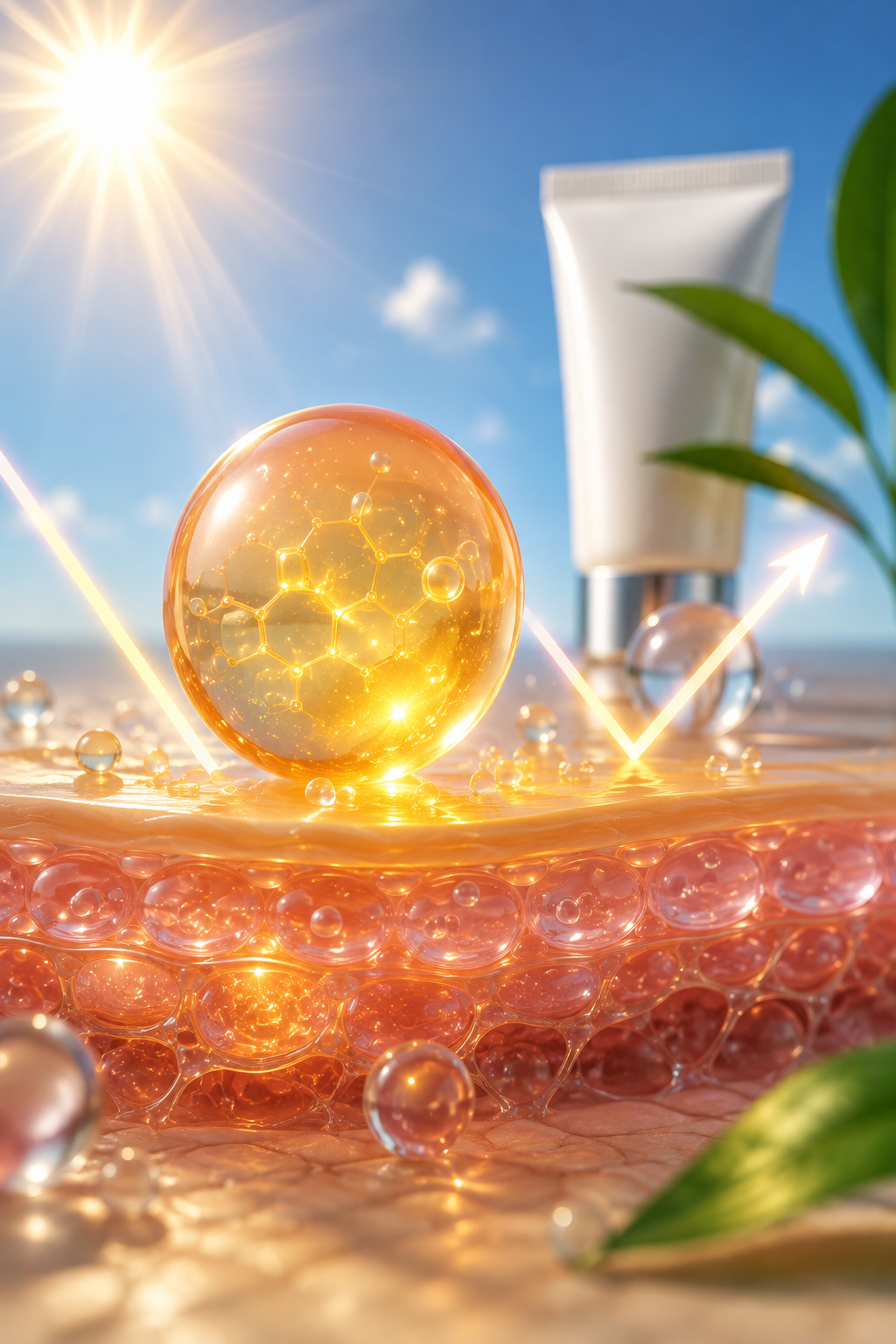
The skin barrier, scientifically known as the stratum corneum, is the outermost layer of your skin. It operates as a brick-and-mortar defense mechanism, protecting your body from environmental pathogens and preventing Trans-Epidermal Water Loss (TEWL). The "bricks" are your corneocytes (dead skin cells), and the "mortar" is a rich lipid matrix composed of ceramides, cholesterol, and free fatty acids.
Signs of a Compromised Barrier
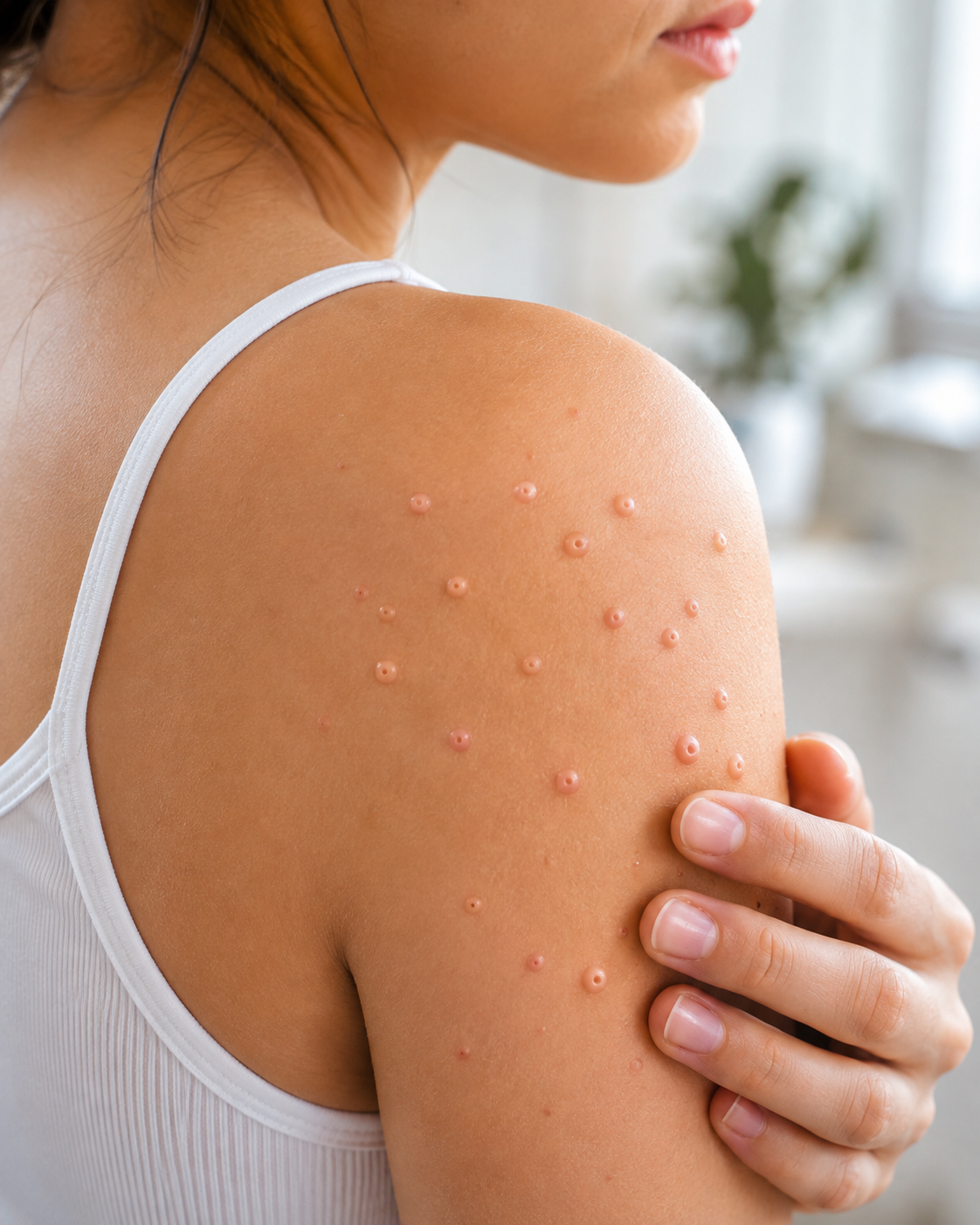
When this lipid matrix is stripped by harsh foaming cleansers, over-exfoliation, or environmental pollution, moisture escapes, and irritants penetrate deep into the dermis. Common symptoms include:
- Persistent redness and inflammation
- Tightness, flaking, or rough texture
- Stinging when applying standard hydrating products
- Sudden increases in breakouts due to bacterial entry
"True skin health does not begin with peeling or stripping; it begins with respecting the biological shield of the stratum corneum."
The Science-Backed Recovery Protocol
Rebuilding your barrier requires a shift from active acid treatments to protective, nourishing formulations. Follow this 3-step cellular repair routine:
1. Physiological Cleansing
Switch to a non-foaming, low-pH milk cleanser. Standard surfactants strip lipids, whereas fatty alcohol cleansers lift dirt while preserving the acid mantle.
2. Lipid Replenishment
Look for creams containing a 3:1:1 ratio of ceramides, cholesterol, and fatty acids. This ratio mimics the skin’s natural composition and accelerates cellular reconstruction.
3. Occlusive Sealing
Apply a thin layer of plant-derived squalane or jojoba oil as the final step. Squalane acts as a biomimetic lipid that traps moisture without clogging pores.