Pollution and Hair Damage: What Science Says
Pollution, hard water, and blue light quietly damage hair at a structural level long before you notice dullness or breakage. Here’s what’s actually happening beneath the surface — and how to slow it down.
Explore our comprehensive guide systems spanning anti-aging compounds, cellular weight loss, and organic beauty routines.
Pollution, hard water, and blue light quietly damage hair at a structural level long before you notice dullness or breakage. Here’s what’s actually happening beneath the surface — and how to slow it down.
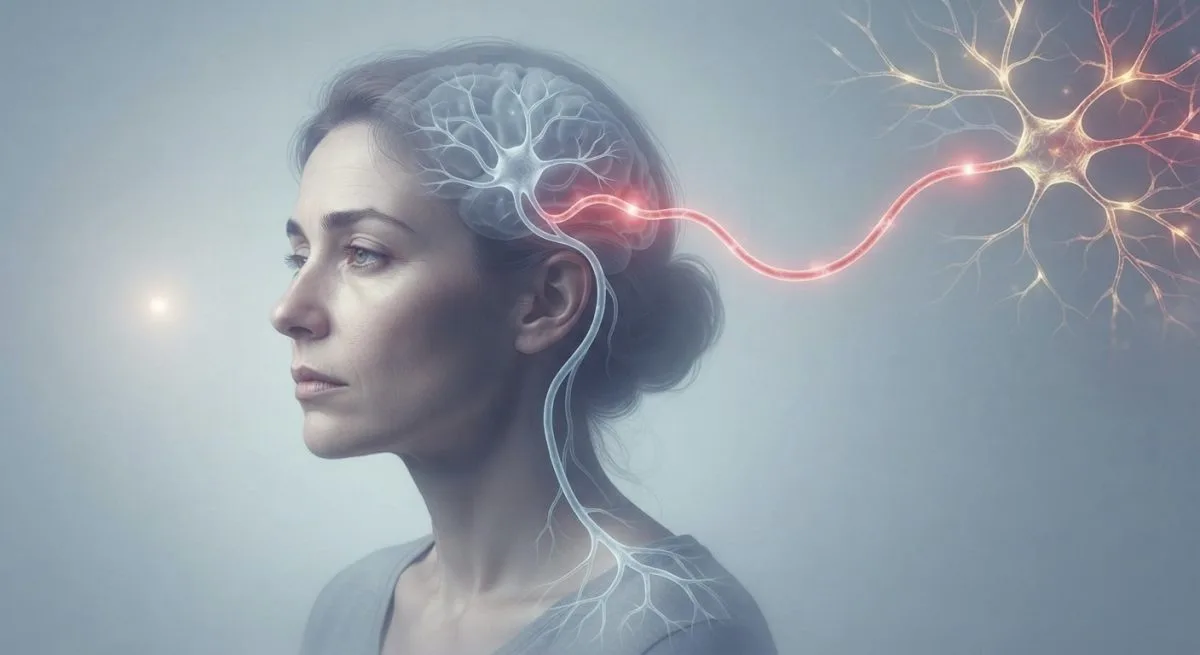
Emerging research suggests inflammation may contribute to depression in some people, particularly those with difficult-to-treat symptoms. A small 2026 randomized trial of tocilizumab provides promising but preliminary evidence for targeting the immune system.
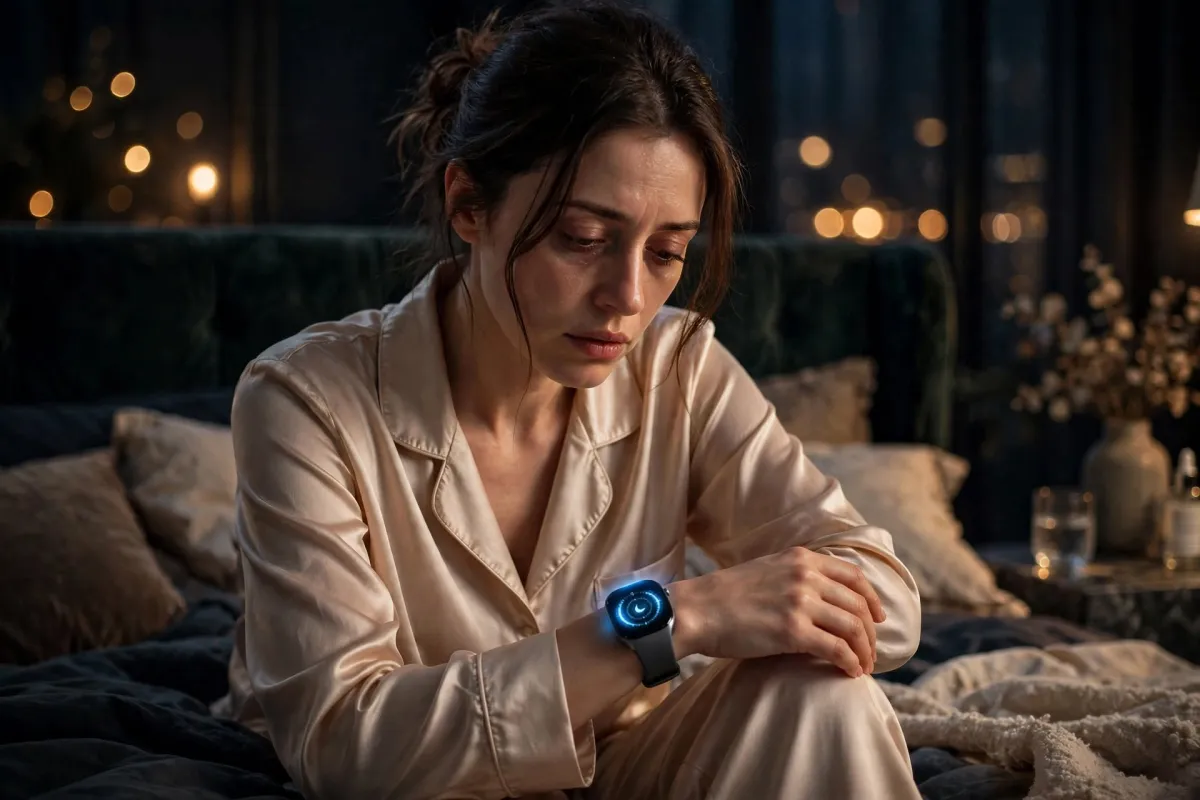
Orthosomnia describes excessive preoccupation with getting “perfect” sleep, often driven by sleep-tracker data. Learn how wearable sleep scores can increase sleep anxiety and how to use tracking without letting numbers control your night.
Box breathing may reduce short-term anxiety and physiological stress by slowing and structuring your breathing. Here’s what the research actually shows, what the 4-second holds do, and how to practice it safely.
Walking can support weight loss, but relying on steps alone often produces smaller and less predictable results than combining movement with nutrition and sustainable habits. Here’s what the evidence says about walking, calorie balance, NEAT, step goals, and long-term weight management.
Skinification is bringing skincare ingredients into scalp and hair products, but not every trendy active has proven hair benefits. Learn what scalp science supports and which claims remain unproven.