Skinification of Haircare: Does It Really Work?
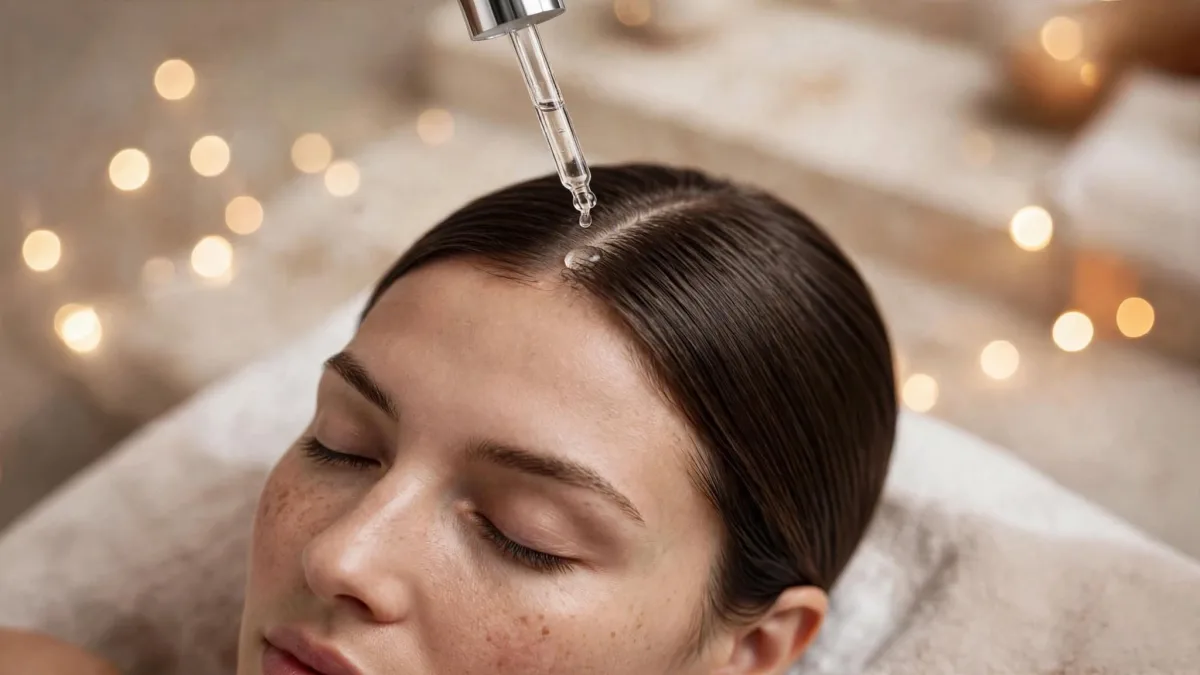
Skinification is bringing skincare ingredients into scalp and hair products, but not every trendy active has proven hair benefits. Learn what scalp science supports and which claims remain unproven.
Unlocking the scientific secrets behind thick, silky, high-gloss premium tresses.
Skinification is bringing skincare ingredients into scalp and hair products, but not every trendy active has proven hair benefits. Learn what scalp science supports and which claims remain unproven.
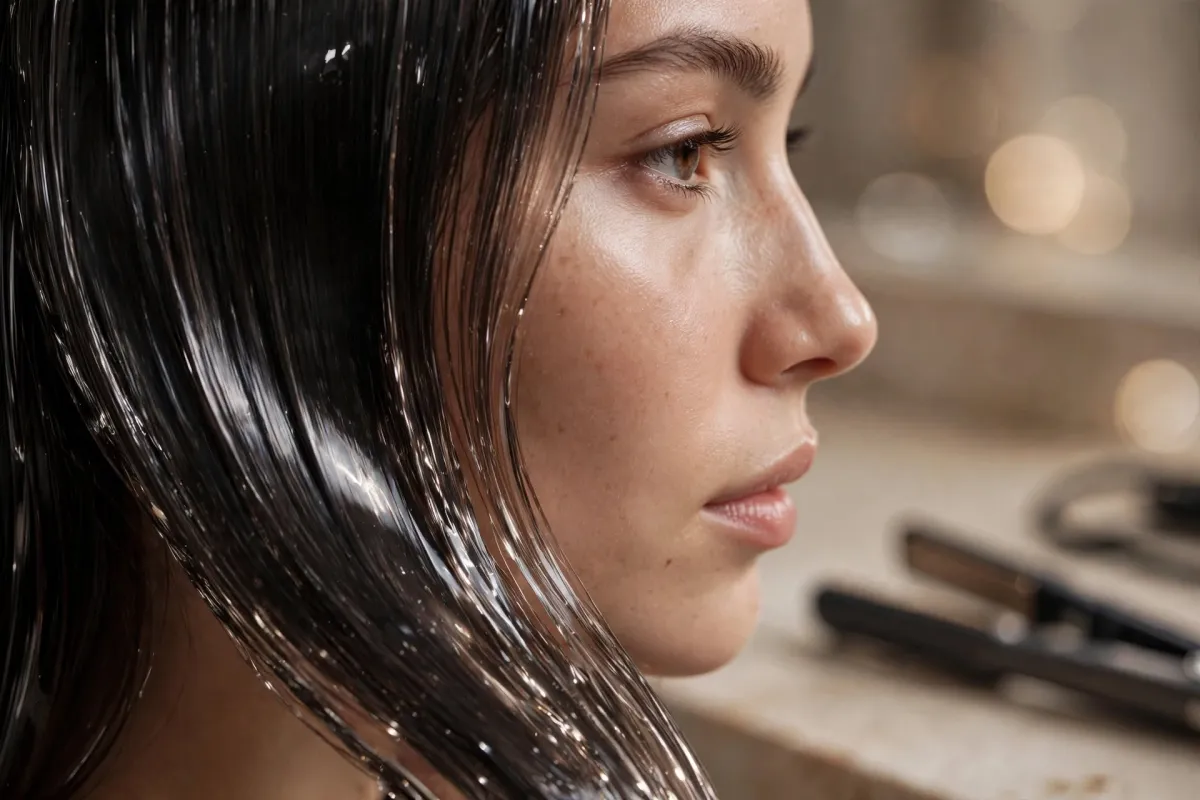
Glass hair looks ultra-smooth and reflective, but shine does not automatically mean healthy hair. The finish can come from smoother cuticles, conditioning products, gloss treatments, or heat styling, and some methods carry a real risk of hair damage.
Your scalp has a complex community of bacteria and fungi that helps maintain scalp health. Research links microbiome changes with dandruff and other scalp conditions, but the direct effect on hair growth is still being studied.
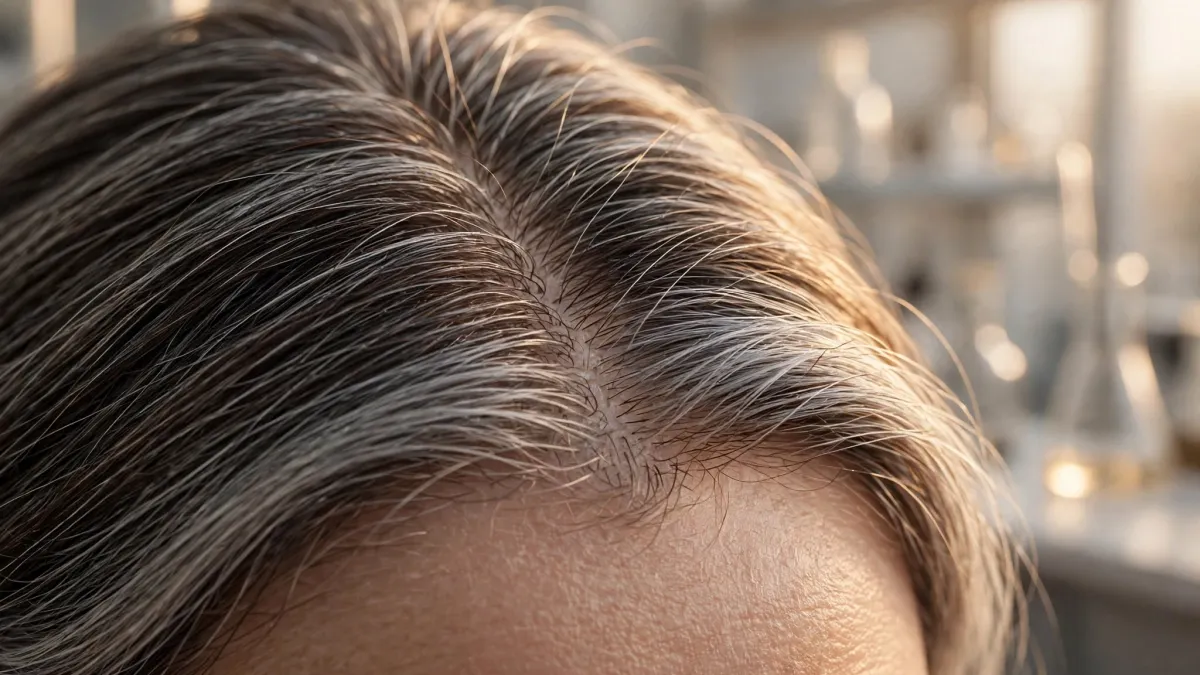
Glycation is linked to aging in skin and other tissues, but its specific role in scalp and hair aging remains uncertain. Learn what the evidence shows and which habits support healthier hair as you age.
Black seed oil contains thymoquinone and other bioactive compounds. Research suggests possible benefits for hair, skin, and metabolic health, but evidence varies by use.
Hair loss can be linked to genetics, nutrient deficiencies, stress, illness, hormones, or hair-care damage. These evidence-based habits can reduce preventable shedding and protect hair, while persistent loss may require medical evaluation.