15 Proven Ways to Stop Hair Loss Naturally
Hair loss affects millions of people worldwide and can result from genetics, stress, poor nutrition, hormonal changes, and unhealthy hair care habits. While some hair shedding is normal, excessive hair loss can be concerning. Fortunately, there are several natural ways to support healthy hair growth and reduce hair fall.
1. Eat a Protein-Rich Diet
Hair is primarily made of keratin, a type of protein. Consuming protein-rich foods such as eggs, fish, chicken, beans, lentils, and dairy products can help strengthen hair and support growth.
2. Increase Iron Intake
Iron deficiency is a common cause of hair loss. Include iron-rich foods like spinach, lentils, red meat, pumpkin seeds, and fortified cereals in your daily diet.
3. Manage Stress Levels
Chronic stress can disrupt the natural hair growth cycle and contribute to excessive shedding. Meditation, yoga, exercise, and deep breathing can help reduce stress.
4. Massage Your Scalp Regularly
Scalp massage improves blood circulation and helps deliver essential nutrients to hair follicles, promoting healthier hair growth.
5. Use Rosemary Oil
Rosemary oil is a popular natural remedy for hair growth. Mix a few drops with a carrier oil and gently massage it into your scalp several times per week.
6. Get Enough Sleep
Sleep plays a crucial role in tissue repair and hormone regulation. Aim for 7 to 9 hours of quality sleep each night to support healthy hair.
7. Stay Hydrated
Proper hydration supports overall health, including hair and scalp health. Drink enough water throughout the day to keep your body functioning optimally.
8. Avoid Excessive Heat Styling
Frequent use of hair dryers, straighteners, and curling irons can damage hair strands and increase breakage. Limit heat styling whenever possible.
9. Eat Foods Rich in Omega-3 Fatty Acids
Omega-3 fatty acids found in salmon, walnuts, flaxseeds, and chia seeds help nourish hair follicles and maintain a healthy scalp.
10. Check Your Vitamin D Levels
Low vitamin D levels have been associated with hair loss. Sunlight exposure and vitamin D-rich foods can help maintain healthy levels.
11. Avoid Tight Hairstyles
Tight ponytails, braids, and buns can put excessive tension on hair follicles and lead to traction alopecia. Opt for looser hairstyles whenever possible.
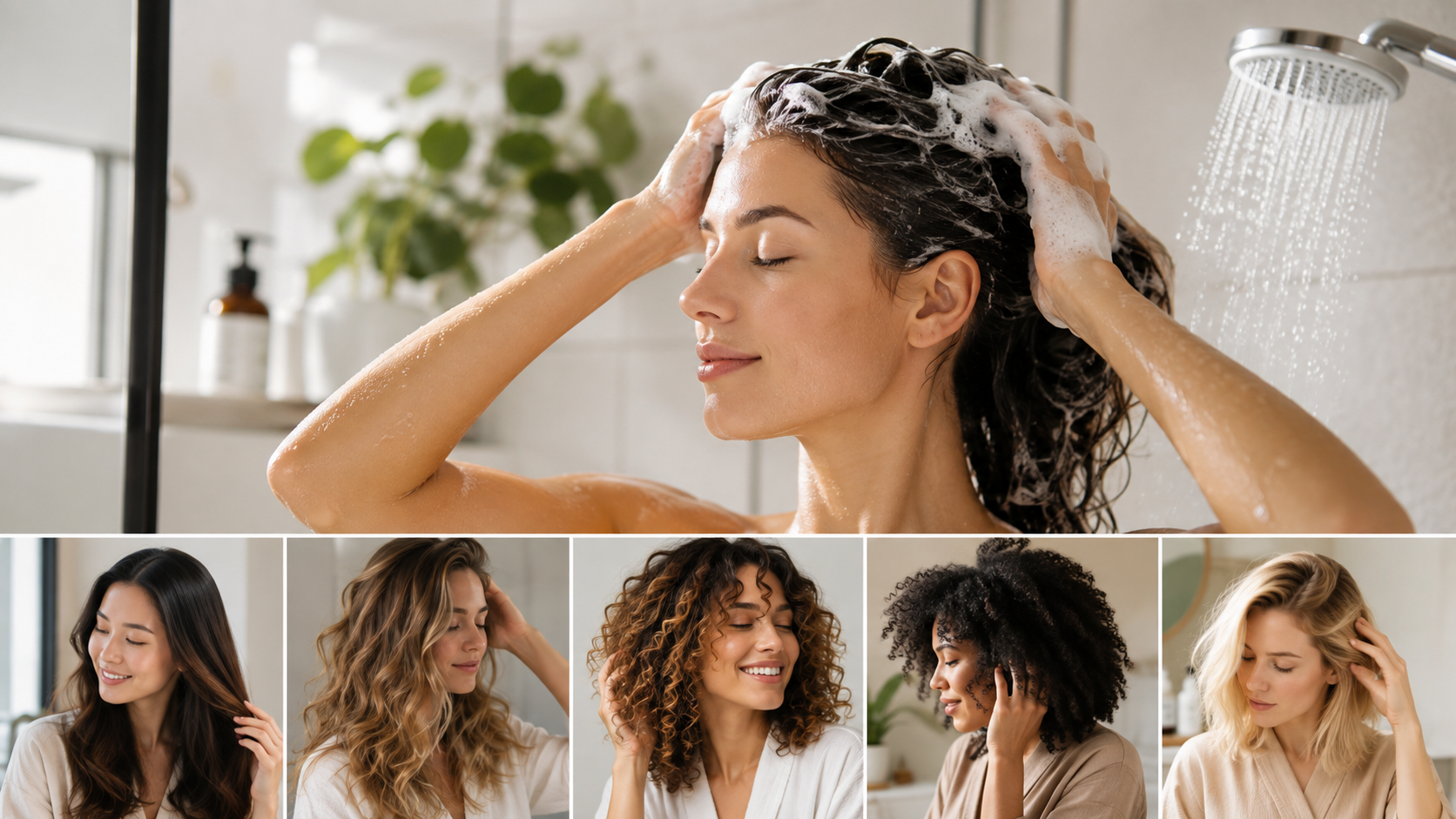
12. Use Gentle Hair Care Products
Choose shampoos and conditioners that suit your hair type and avoid products containing harsh chemicals that may weaken hair.
13. Increase Zinc Intake
Zinc supports hair tissue growth and repair. Good dietary sources include nuts, seeds, shellfish, legumes, and whole grains.
14. Maintain a Healthy Weight
Rapid weight loss and restrictive diets can trigger temporary hair shedding. Focus on balanced nutrition and sustainable lifestyle habits.
15. Keep Your Scalp Healthy
A healthy scalp provides the ideal environment for hair growth. Regular cleansing and proper scalp care can help prevent buildup, irritation, and dandruff.
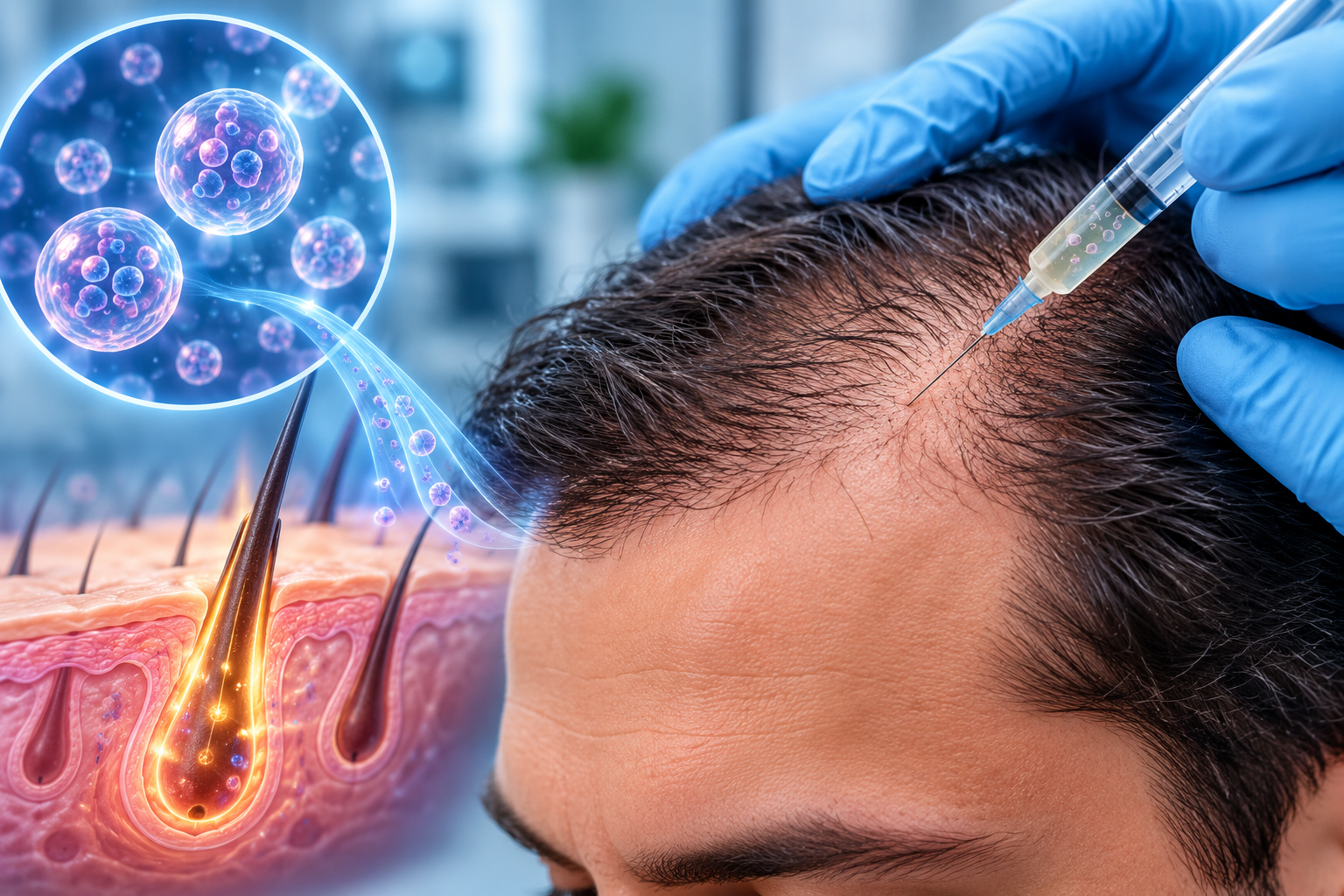
When to See a Doctor
If you experience sudden hair loss, bald patches, or persistent shedding despite making lifestyle changes, consult a healthcare professional to identify any underlying conditions.
Conclusion
Natural hair care starts with a healthy lifestyle. By improving nutrition, managing stress, caring for your scalp, and avoiding damaging habits, you can support stronger, healthier hair over time. Consistency is key, and small daily changes often produce the best long-term results.
Disclaimer: This article is for informational purposes only and should not replace professional medical advice, diagnosis, or treatment.
```