Medically reviewed by the HyaluFlow Health Editorial Team | Published: August 3, 2026 | Last Updated: August 3, 2026
Quick Answer
Most people do not need to wash their hair every day. Oily hair may benefit from daily or every-other-day washing, while dry, curly, coily, or chemically treated hair often stays healthier when washed less frequently. The best hair washing routine depends on your scalp's oil production, hair type, physical activity, and product buildup.
Key Takeaways
- There is no single hair washing schedule that works for everyone.
- Your scalp produces natural oils that protect both your hair and skin.
- Hair type, scalp condition, exercise, and styling products all affect how often you should shampoo.
- Overwashing may dry out the hair, while underwashing can lead to oil buildup and scalp irritation.
- A healthy scalp is more important than following a fixed washing routine.
Table of Contents
- Does Everyone Need to Wash Their Hair the Same Way?
- What Happens If You Wash Too Often?
- What Happens If You Do Not Wash Enough?
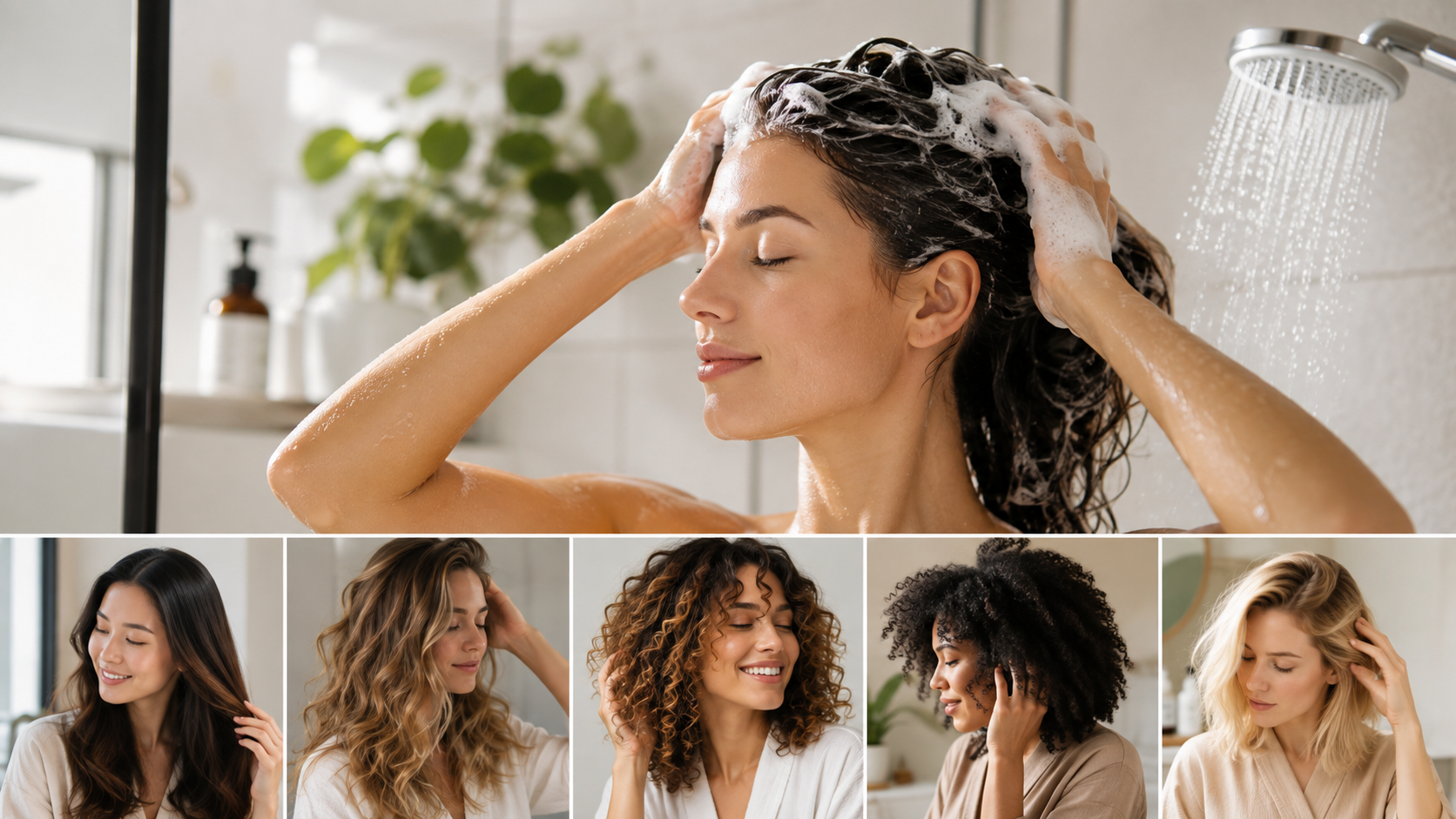
- How Often Should Each Hair Type Be Washed?
- Signs You Should Wash Your Hair
- Hair Washing Myths
- What the Science Says
- Bottom Line
Does Everyone Need to Wash Their Hair the Same Way?
No.
One of the biggest hair care myths is that everyone should wash their hair on the same schedule.
Your ideal routine depends on several factors.
- Hair type.
- Scalp oil production.
- Age.
- Physical activity.
- Climate.
- Use of styling products.
- Chemical treatments such as coloring or bleaching.
Someone with fine, oily hair may need to shampoo almost every day.
Another person with thick, curly hair may only need to wash once a week.
Neither routine is automatically better.
The goal is not washing more or washing less.
The goal is maintaining a clean, comfortable, and healthy scalp.
Research: The American Academy of Dermatology advises choosing a hair washing frequency based on hair texture and scalp oil production rather than following a universal schedule.
Why Does Your Scalp Produce Oil?
Your scalp contains thousands of sebaceous glands.
These glands produce a natural oil called sebum.
Sebum protects the scalp.
It also keeps hair flexible, reduces moisture loss, and helps prevent breakage.
This natural oil is not harmful.
In fact, healthy hair needs it.
Problems begin when too much oil mixes with sweat, pollution, dead skin cells, and styling products.
This buildup can make hair look greasy and leave the scalp feeling itchy or uncomfortable.
Removing excess oil without stripping away all natural moisture is the key to a healthy hair care routine.
Research: Sebum plays an essential role in maintaining the skin barrier and protecting both the scalp and hair shaft from excessive dryness (International Journal of Molecular Sciences, 2023).
What Happens If You Wash Your Hair Too Often?
Daily shampooing is not harmful for everyone.
However, washing more often than your scalp needs can create problems.
Some shampoos remove not only dirt and excess oil but also the protective lipids that keep hair smooth and hydrated.
Over time, this may leave hair feeling rough or brittle.
You may notice:
- Dry hair.
- Frizz.
- Split ends.
- Scalp tightness.
- Faded hair color.
- Increased hair breakage.
People with curly, coily, textured, or chemically treated hair are generally more likely to experience dryness from frequent washing.
Using a gentle shampoo and conditioner can help reduce this risk.
What Happens If You Do Not Wash Your Hair Enough?
Skipping shampoo occasionally is usually not a problem.
Going too long between washes can be.
Oil, sweat, dead skin cells, pollution, and styling products gradually build up on the scalp.
This buildup can clog hair follicles and irritate the scalp.
Some people may also notice dandruff, itching, or an unpleasant odor.
For people with seborrheic dermatitis, infrequent washing may allow more oil to accumulate, creating an environment where Malassezia yeast can thrive and worsen symptoms.
Research: Clinical guidelines recommend regular shampooing as part of managing dandruff and seborrheic dermatitis because it helps remove excess oil, scales, and yeast from the scalp (Journal of the American Academy of Dermatology).
How Often Should You Wash Different Hair Types?
Your hair type is one of the biggest factors in deciding how often to shampoo.
Here are science-based recommendations.
| Hair Type | Recommended Washing Frequency | Why? |
|---|---|---|
| Oily Hair | Daily or every 1–2 days | Produces excess sebum quickly, making hair appear greasy. |
| Fine Hair | Every 1–2 days | Oil spreads easily from the scalp to the hair shaft. |
| Straight Hair | Every 2–3 days | Sebum travels down straight hair more easily. |
| Wavy Hair | Every 2–4 days | Usually balances oil and moisture well. |
| Curly Hair | Every 4–7 days | Natural oils move through curls more slowly. |
| Coily Hair | Every 7–14 days | Most prone to dryness and breakage. |
| Dry or Damaged Hair | Every 4–7 days | Helps preserve natural moisture. |
| Color-Treated Hair | Every 2–4 days | Less frequent washing helps maintain color. |
These are general recommendations.
Your ideal schedule may differ depending on your scalp, climate, and daily routine.
Should You Wash Your Hair After Every Workout?
Not always.
Sweating alone does not mean you must shampoo immediately.
If your workout is light and your scalp feels clean, rinsing with water may be enough.
After intense exercise, especially in hot or humid weather, washing the scalp is often the better option.
Sweat mixes with oil and bacteria.
If left on the scalp repeatedly, it may increase irritation in some people.
If you exercise every day but have dry hair, consider washing your scalp with a gentle shampoo only when needed.
How Do You Know It's Time to Wash Your Hair?
Forget the calendar.
Your scalp gives better clues than any fixed schedule.
You may need to shampoo if you notice:
- Your roots look greasy.
- Your hair feels heavy or sticky.
- Your scalp is itchy.
- There is visible product buildup.
- Your hairstyle no longer holds properly.
- Your scalp develops an unpleasant odor.
If none of these signs are present, you may not need to wash your hair yet.
Learning to recognize these signals can help you build a routine that suits your individual hair type instead of following trends on social media.
What the Science Says
Dermatologists agree on one important point.
There is no universal hair washing schedule.
The healthiest routine depends on your scalp, not on viral beauty trends.
Research shows that shampooing removes excess sebum, sweat, dead skin cells, pollutants, and styling product residue that can accumulate on the scalp.
At the same time, excessive washing with harsh shampoos may reduce natural lipids that help protect the hair shaft.
This is why experts recommend balancing cleanliness with moisture retention.
A 2021 review published in the International Journal of Trichology found that regular shampooing improves scalp hygiene without increasing hair loss in healthy individuals. Hair shed during washing is usually hair that was already in the natural shedding phase, not hair pulled out by shampoo.
Another review published in the Journal of Cosmetic Dermatology reported that shampoo frequency should be tailored to individual hair type, scalp oil production, lifestyle, and cosmetic practices rather than following a fixed schedule.
Common Hair Washing Myths
Myth: Washing your hair every day causes hair loss.
Fact: Shampooing does not cause permanent hair loss. Hair that falls out during washing is typically already in the telogen, or resting, phase of the natural hair growth cycle.
Myth: Training your scalp can reduce oil production.
Fact: There is no strong scientific evidence that washing less frequently permanently reduces how much oil your scalp produces. Sebum production is largely influenced by hormones, age, and genetics.
Myth: Natural oils clean the scalp on their own.
Fact: Sebum protects the scalp, but it does not remove dirt, sweat, pollution, or styling products. Regular cleansing is still important for good scalp health.
Myth: Expensive shampoo is always better.
Fact: The best shampoo is one that matches your hair type and scalp condition. A higher price does not necessarily mean better performance.
Tips for Healthier Hair Washing
- Choose a shampoo designed for your hair type.
- Massage the scalp gently using your fingertips instead of your nails.
- Rinse thoroughly to remove shampoo residue.
- Apply conditioner mainly to the mid-lengths and ends.
- Use lukewarm water instead of very hot water.
- Avoid aggressive towel rubbing. Pat hair dry instead.
- Reduce excessive heat styling whenever possible.
Bottom Line
There is no perfect hair washing schedule for everyone.
The right frequency depends on your hair type, scalp condition, lifestyle, and personal preferences.
People with oily or fine hair often benefit from washing more frequently.
Those with curly, coily, dry, or chemically treated hair usually need fewer wash days to help preserve natural moisture.
Instead of following online trends, pay attention to your scalp.
If your hair feels greasy, itchy, or weighed down by product buildup, it is probably time to shampoo.
A clean, healthy scalp creates the best environment for healthy-looking hair.
References
- American Academy of Dermatology Association. Hair care recommendations based on hair type and scalp condition.
- International Journal of Molecular Sciences. The role of sebum in skin and scalp barrier function. 2023.
- International Journal of Trichology. Shampooing and scalp health: Current evidence. 2021.
- Journal of Cosmetic Dermatology. Hair cleansing practices and scalp health review. 2022.
- Journal of the American Academy of Dermatology. Guidelines for the management of seborrheic dermatitis.
- Sinclair R. Disorders of the Hair and Scalp. Evidence-based approaches to scalp care and hair cleansing.