Medically reviewed by the HyaluFlow Health Editorial Team | Published: June 23, 2026 | Last Updated: July 30, 2026
Introduction
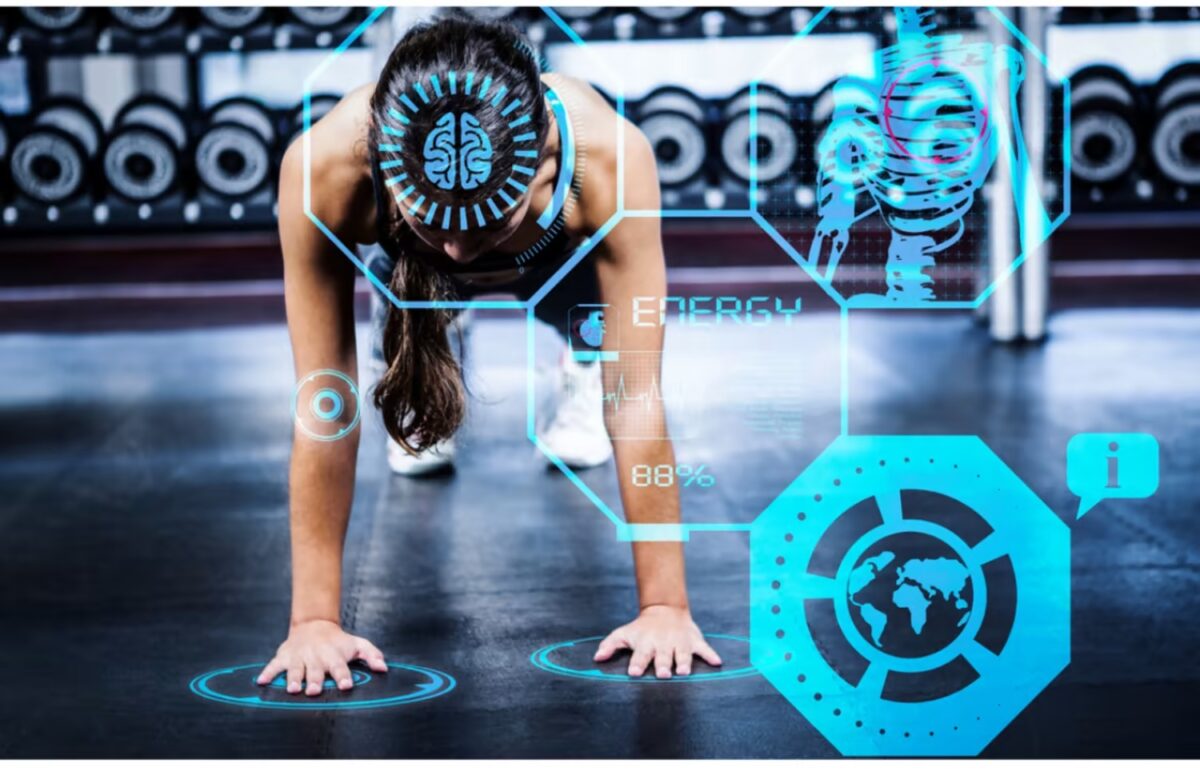
Artificial intelligence is changing the way people exercise. Instead of following generic workout plans, many people now use AI fitness coaches that create personalized programs based on their goals, fitness level, and progress.
These tools are available through fitness apps, smartwatches, and wearable devices. They can recommend exercises, track workouts, monitor recovery, and even adjust future sessions automatically.
AI fitness coaching has become increasingly popular because it is affordable, available at any time, and easy to use. But an important question remains. Can artificial intelligence really replace a personal trainer, or is it simply another fitness trend?
Recent research suggests AI can improve exercise adherence, personalize training, and help people stay active. However, experts also agree that AI has important limitations, especially for people with medical conditions or complex training needs.[1][2][3]
Quick Answer
AI fitness coaches use artificial intelligence to build personalized workout plans, analyze training data, and adjust exercises based on your progress. They can improve motivation and consistency for many users, but they cannot fully replace the experience, judgment, and hands-on coaching provided by a qualified personal trainer.[1][2]
Key Takeaways
- AI fitness coaches create personalized workout plans using health and activity data.
- Many apps automatically adjust workouts as your fitness improves.
- Wearable devices help AI monitor heart rate, recovery, sleep, and activity.
- AI coaching is convenient and affordable for many people.
- Human trainers remain important for injury prevention, rehabilitation, and advanced coaching.
Why This Matters
Many adults struggle to stay consistent with exercise. Busy schedules, expensive gym memberships, and the cost of personal trainers often make regular workouts difficult.
AI fitness coaches aim to solve these problems by providing customized guidance whenever users need it. Instead of paying for frequent coaching sessions, users receive personalized recommendations through their smartphone or wearable device.
Understanding both the strengths and weaknesses of AI coaching helps people decide whether these tools are suitable for their fitness goals.
What Is an AI Fitness Coach?
An AI fitness coach is software that uses artificial intelligence and machine learning to provide personalized exercise recommendations. These systems analyze your health information, workout history, and performance to create training plans that change over time.[2][4]
Many AI coaches are integrated into fitness apps, smartwatches, smart gym equipment, and wearable fitness trackers. Some platforms also include computer vision technology that evaluates exercise form using your smartphone camera.
How AI Fitness Coaches Work
AI systems collect information from multiple sources before creating a workout program. Depending on the platform, this may include:
- Age
- Sex
- Height and weight
- Fitness level
- Exercise history
- Heart rate
- Sleep quality
- Recovery data
- Daily activity
- Personal fitness goals
The AI analyzes these data points to recommend workouts that match your current ability. As your performance improves, future sessions are automatically adjusted to maintain progress while reducing the risk of overtraining.[1][3]
Benefits of AI Fitness Coaches
1. Personalized Workout Plans
One of the biggest advantages of AI fitness coaching is personalization. Instead of following the same workout as everyone else, the AI builds a program based on your goals, fitness level, available equipment, and progress.
This makes workouts more practical and easier to maintain over time.[1][2]
2. Real-Time Feedback
Some AI fitness apps use your smartphone camera or wearable sensors to analyze movement during exercise. They can provide instant feedback on speed, range of motion, and exercise technique.
While this feedback can improve workout quality, it is generally less accurate than hands-on coaching from a qualified trainer.[3]
3. Progress Tracking
AI automatically records workout history, completed exercises, heart rate, calories burned, training volume, and other fitness metrics.
Tracking progress helps users stay motivated and makes it easier to see long-term improvements.
4. Available Anytime
Unlike traditional personal trainers, AI fitness coaches are available 24 hours a day. Users can exercise whenever it suits their schedule without booking appointments.
5. Lower Cost
Hiring a personal trainer can be expensive. Many AI fitness apps offer personalized coaching for a monthly subscription that costs much less than regular one-to-one sessions.
AI and Wearable Technology
Modern wearable devices have made AI fitness coaching much more useful. Smartwatches and fitness trackers collect health data throughout the day and send it to AI systems for analysis.
Depending on the device, AI may monitor:
- Heart rate
- Exercise intensity
- Daily steps
- Calories burned
- Sleep duration
- Recovery status
- Training load
- Stress levels
This information allows AI to recommend when to train harder, when to recover, and when to reduce workout intensity.[4][5]
Popular Features of AI Fitness Apps
- Personalized workout programs
- Exercise video guidance
- Automatic workout adjustments
- Progress reports
- Goal tracking
- Recovery recommendations
- Nutrition guidance
- Habit reminders
- Virtual coaching
What Current Research Shows
Research suggests that AI-supported coaching can improve exercise adherence, increase motivation, and help people follow structured training programs more consistently.[1][2]
Studies also show that wearable technology combined with artificial intelligence can provide useful insights into physical activity, recovery, and overall health. However, researchers note that larger long-term studies are still needed to determine how AI coaching compares with experienced human trainers across different populations.[3][5]
Can AI Replace Personal Trainers?
Not completely. AI fitness coaches are excellent for creating workout plans, tracking progress, and encouraging consistency. However, they cannot fully replace the experience and judgment of a qualified personal trainer.
Human trainers can correct exercise form in real time, adapt workouts for injuries, provide emotional support, and respond to unexpected situations. These are areas where AI still has limitations.[2][6]
For healthy adults with straightforward fitness goals, AI coaching may be enough. For rehabilitation, chronic medical conditions, competitive sports, or complex training plans, professional guidance remains the better choice.
Risks and Limitations
AI fitness coaching has many benefits, but it is not perfect.
- Recommendations depend on the quality of the data collected.
- Wearable devices can produce inaccurate measurements.
- AI cannot perform a complete physical assessment.
- It may not recognize pain, injuries, or medical warning signs.
- Some apps prioritize user engagement over evidence-based recommendations.
- Privacy concerns exist because personal health data are collected and stored.
For these reasons, AI should support healthy decision-making rather than replace professional medical or fitness advice.
Who Should Be Careful?
AI fitness coaches may not be suitable as a stand-alone solution for everyone.
Speak with a healthcare professional before starting an AI-generated fitness program if you have:
- Heart disease
- High blood pressure that is not well controlled
- Diabetes with complications
- Recent surgery
- Joint or bone injuries
- Chronic pain
- Pregnancy
- Neurological conditions that affect movement
People with these conditions often need individualized exercise prescriptions that go beyond what current AI systems can safely provide.[4][6]
The Future of AI Fitness Coaching
Artificial intelligence is expected to become even more advanced over the next few years. Future systems may combine data from wearable devices, smart gym equipment, medical records, and motion sensors to deliver even more personalized coaching.
Researchers are also developing AI systems that can better analyze exercise technique, predict injury risk, estimate recovery needs, and recommend training adjustments before performance declines.[2][5]
Rather than replacing fitness professionals, many experts believe AI will become a powerful tool that helps trainers deliver more personalized coaching while improving long-term fitness outcomes.
Benefits of AI Fitness Coaches
- Creates workout plans tailored to your goals and fitness level.
- Adjusts training automatically as your performance improves.
- Tracks workouts, recovery, and long-term progress.
- Provides coaching anytime without scheduling appointments.
- Works with smartwatches and fitness trackers for better insights.
- Costs less than regular personal training for many users.
- Helps improve exercise consistency and motivation.
- Can support healthier lifestyle habits through reminders and progress reports.
Limitations of Current Evidence
Research on AI fitness coaching is growing quickly, but there are still important gaps. Most published studies are relatively short, and many evaluate specific apps or wearable devices instead of AI coaching as a whole.
Artificial intelligence also changes rapidly. An app that performs well today may receive major updates within months, making older studies less applicable. More large, long-term clinical studies are needed to understand how AI coaching affects fitness, injury rates, and long-term health outcomes.[1][2][5]
Bottom Line
AI fitness coaches can make exercise more personalized, affordable, and convenient. They are especially useful for healthy adults who want structured workouts, automatic progress tracking, and flexible coaching.
However, AI is not a replacement for qualified healthcare professionals or experienced personal trainers when medical conditions, injuries, or advanced athletic performance are involved. The best approach is often to combine AI technology with evidence-based fitness advice and professional guidance when needed.
Key Takeaways
- AI fitness coaches use artificial intelligence to personalize workouts and monitor progress.
- Many systems adapt training plans automatically using wearable health data.
- Research suggests AI can improve motivation and exercise adherence.
- Human trainers remain important for injury prevention, rehabilitation, and advanced coaching.
- AI works best as a fitness support tool, not a replacement for professional medical advice.
References
- Tier 1 (Systematic Review): Bickmore TW, et al. Artificial intelligence and digital coaching interventions for physical activity and health behavior change. Journal of Medical Internet Research.
- Tier 1 (Systematic Review): Huang Y, et al. Artificial intelligence applications in fitness, exercise prescription, and personalized health management. Sports Medicine.
- Tier 2 (Major Health Institution): American College of Sports Medicine (ACSM). Worldwide Fitness Trends and Digital Fitness Technologies.
- Tier 2 (Major Health Institution): World Health Organization. Physical Activity Guidelines.
- Tier 3 (Peer-Reviewed Research): Wang L, et al. Wearable devices, artificial intelligence, and personalized exercise monitoring. npj Digital Medicine.
- Tier 3 (Peer-Reviewed Research): Dunn J, et al. Digital health technologies and artificial intelligence in exercise monitoring. Nature Digital Medicine.