Reviewed by the HyaluFlow Health Editorial Team | Published: June 29, 2026 | Last Updated: August 28, 2026
Your hands are exposed to sunlight, water, soaps, cleaning products, and weather almost every day. Over time, this can contribute to dryness, wrinkles, uneven pigmentation, visible veins, and thinner-looking skin.
Aging cannot be stopped, but premature hand aging can often be slowed. The strongest approach combines daily UV protection, moisturization, sensible retinoid use, and habits that protect the skin barrier.
Quick Answer: The best evidence-based ways to prevent aging hands are daily broad-spectrum SPF 30+, frequent moisturizing, careful retinoid use, protection from harsh chemicals, avoiding smoking, and maintaining healthy lifestyle habits. Consistency matters more than expensive products.
Key Takeaways
- UV exposure is a major driver of premature hand aging.
- Moisturizers help reduce dryness and support the skin barrier.
- Retinoids can improve photoaged skin and support collagen formation.
- Gloves can reduce irritation from detergents, chemicals, and cold.
- Smoking accelerates premature skin aging.
- Simple routines work when used consistently.
Why Do Hands Show Aging So Quickly?
The backs of the hands have relatively little soft tissue, so age-related loss of collagen and subcutaneous tissue can make veins, tendons, and bones more visible.
Research on normal skin aging also describes changes in dermal collagen, elastin, and subcutaneous tissue, including changes affecting the hands. Structural and functional changes of normal aging skin
Repeated washing and exposure to irritants can add another problem: dryness. Aging skin also produces less sebum, which can contribute to roughness and xerosis.
Protect Your Hands From UV Damage
UV exposure is one of the most important preventable causes of premature skin aging. UVA contributes to deeper photoaging, while UVB contributes to sunburn and skin cancer risk.
A randomized trial of 903 adults found that daily sunscreen use reduced measured skin aging by 24% compared with discretionary use over 4.5 years. Sunscreen and prevention of skin aging: a randomized trial
Apply broad-spectrum SPF 30 or higher to the backs of your hands every morning. Reapply after washing and during prolonged outdoor exposure.
Moisturize After Washing
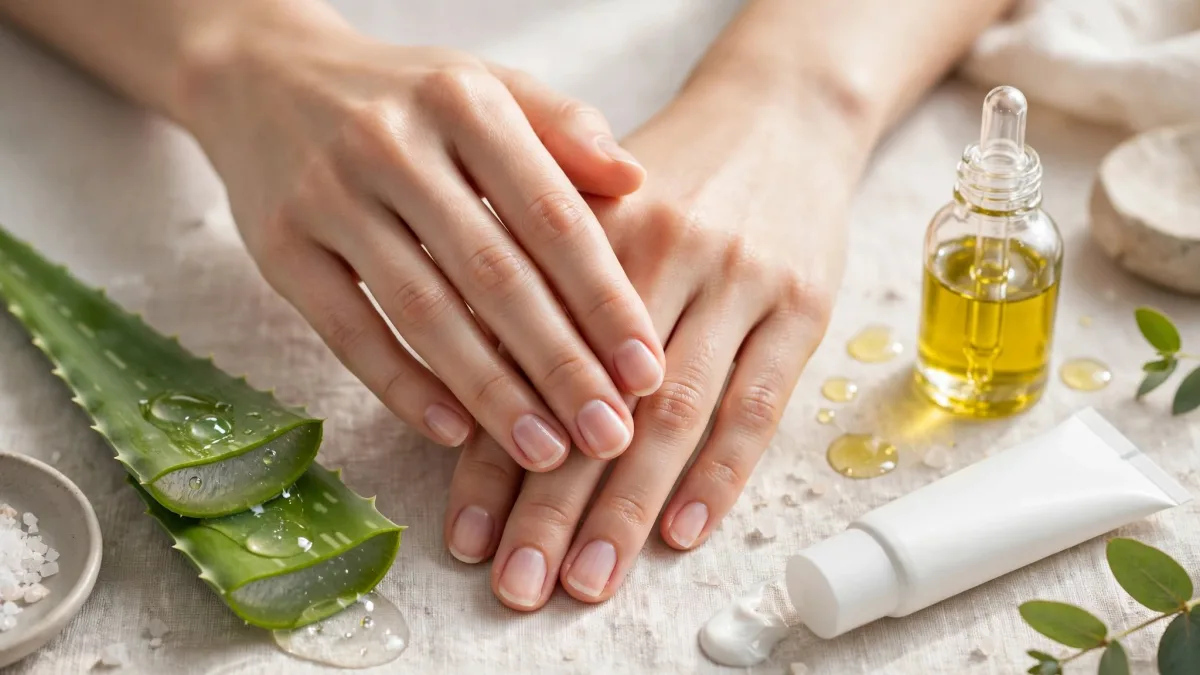
Frequent handwashing is important for hygiene but can increase dryness. Applying moisturizer immediately afterward helps reduce water loss and keeps the skin more comfortable.
Choose a fragrance-free cream containing ingredients such as ceramides, glycerin, petrolatum, or other effective moisturizers. A thicker cream is often more useful for very dry hands than a lightweight lotion.
Can Retinoids Help Aging Hands?
Retinoids are among the best-studied topical treatments for photoaged skin. Tretinoin can improve features of photodamage and stimulate collagen formation.
In a clinical study, topical tretinoin restored collagen formation in photodamaged human skin. Restoration of Collagen Formation in Photodamaged Human Skin by Tretinoin
For the hands, start a retinoid slowly, such as two nights per week, and increase only as tolerated. Irritation is possible, so moisturizer and daytime sunscreen are essential.
Protect Hands From Water, Chemicals, and Cold
Repeated contact with detergents, solvents, and water can irritate the skin barrier. Wear suitable gloves when cleaning, washing dishes, gardening, or handling irritating substances.
Cold, dry weather can also worsen cracking and roughness. Moisturize regularly and use protective gloves outdoors when needed.
Why Avoiding Smoking Matters
Smoking is strongly associated with premature skin aging. Tobacco smoke can increase oxidative stress and matrix metalloproteinases, enzymes involved in the breakdown of collagen and other connective-tissue components.
A dermatology review, Tobacco smoke causes premature skin aging, describes evidence linking smoking with accelerated skin aging and collagen degradation.
Healthy Habits That Support Skin
A balanced diet provides protein and micronutrients needed for normal tissue maintenance. Fruits, vegetables, legumes, whole grains, nuts, seeds, and other nutrient-dense foods can support overall skin health.
Healthy sleep, regular physical activity, adequate hydration, and avoiding smoking are sensible foundations, but no food or supplement can replace sunscreen or directly erase established wrinkles.
Common Myths About Aging Hands
Myth: Moisturizer removes wrinkles.
Reality: Moisturizers improve hydration and can soften the appearance of fine lines, but they cannot replace lost collagen.
Myth: Sunscreen is only needed at the beach.
Reality: Everyday UV exposure contributes to cumulative photoaging, including on the hands.
Myth: Natural products are always safer.
Reality: "Natural" does not automatically mean effective or non-irritating. Evidence and tolerability matter more than the label.
Myth: It is too late to protect aging hands.
Reality: Sun protection and consistent skin care can help reduce further damage at any age.
Who Should Pay Attention?
People with heavy sun exposure, frequent handwashing, outdoor jobs, chronic dry skin, or a history of smoking may benefit from extra hand protection.
See a dermatologist for a changing dark spot, nonhealing sore, rapidly growing lesion, persistent inflammation, or unusual pigmentation. Not every new mark is simply an age spot.
Evidence Strength Summary
| Strategy | Evidence |
|---|---|
| Daily sunscreen | Strong |
| Moisturizer | Strong |
| Topical retinoids | Strong |
| Smoking cessation | Strong |
| Protective gloves | Moderate |
Evidence Strength Summary: The strongest evidence supports UV protection, topical retinoids, moisturization, and avoiding smoking. Nutrition and protective habits support overall skin health but should complement, not replace, proven topical protection.
Bottom Line
You cannot stop your hands from aging, but you can slow premature damage. Daily broad-spectrum sunscreen, regular moisturization, appropriate retinoid use, protective gloves, and avoiding smoking provide a practical evidence-based foundation.