Skin Longevity: Can You Slow Skin Aging? (2026)
Skin longevity is one of the biggest skincare trends in 2026. Learn what science says about slowing skin aging, protecting your skin barrier, and maintaining healthier, younger-looking skin for longer.
Browsing targeted aesthetic topics
Skin longevity is one of the biggest skincare trends in 2026. Learn what science says about slowing skin aging, protecting your skin barrier, and maintaining healthier, younger-looking skin for longer.
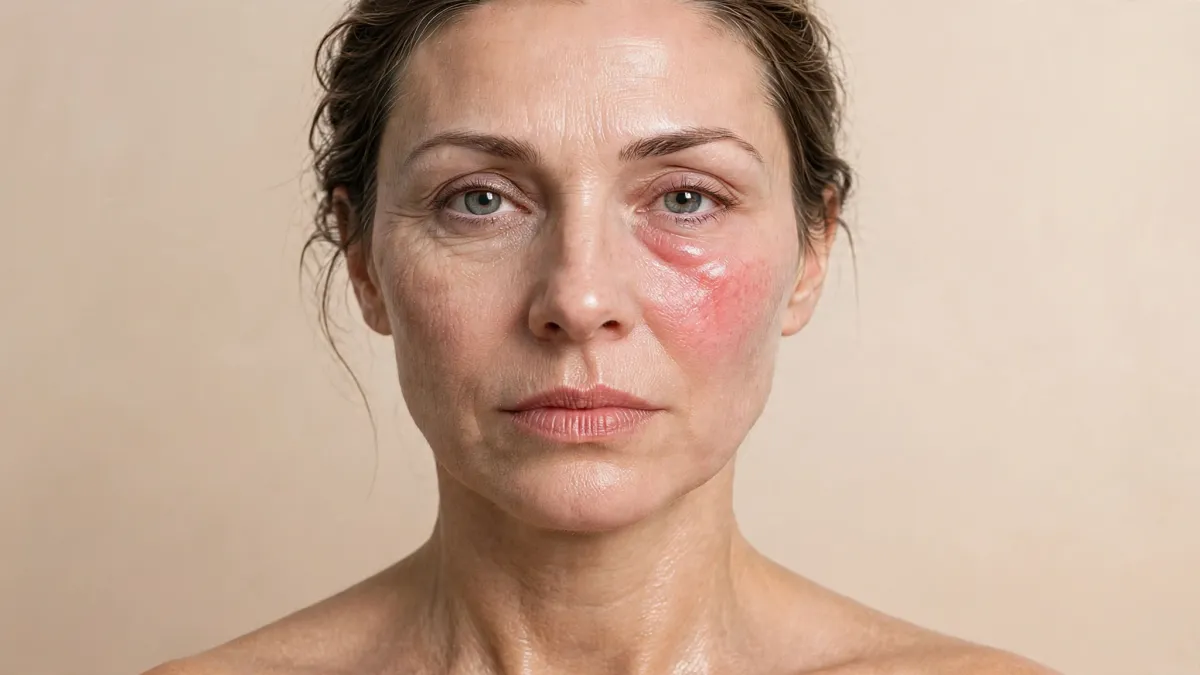
“Cortisol face” is a social-media term, not a medical diagnosis. Chronic psychological stress can affect skin barrier function, inflammation, collagen-related processes, and visible aging, but facial puffiness cannot automatically be blamed on cortisol.
Smoking has stronger evidence for accelerating structural skin aging, especially wrinkles and collagen loss. Alcohol can contribute to dehydration, inflammation, flushing, and other skin changes, particularly with heavy use.
Skin aging changes gradually through your 30s, 40s, and 50s as collagen, elasticity, hydration, UV exposure, and hormones shape visible changes. Learn what changes and which habits have the strongest evidence.
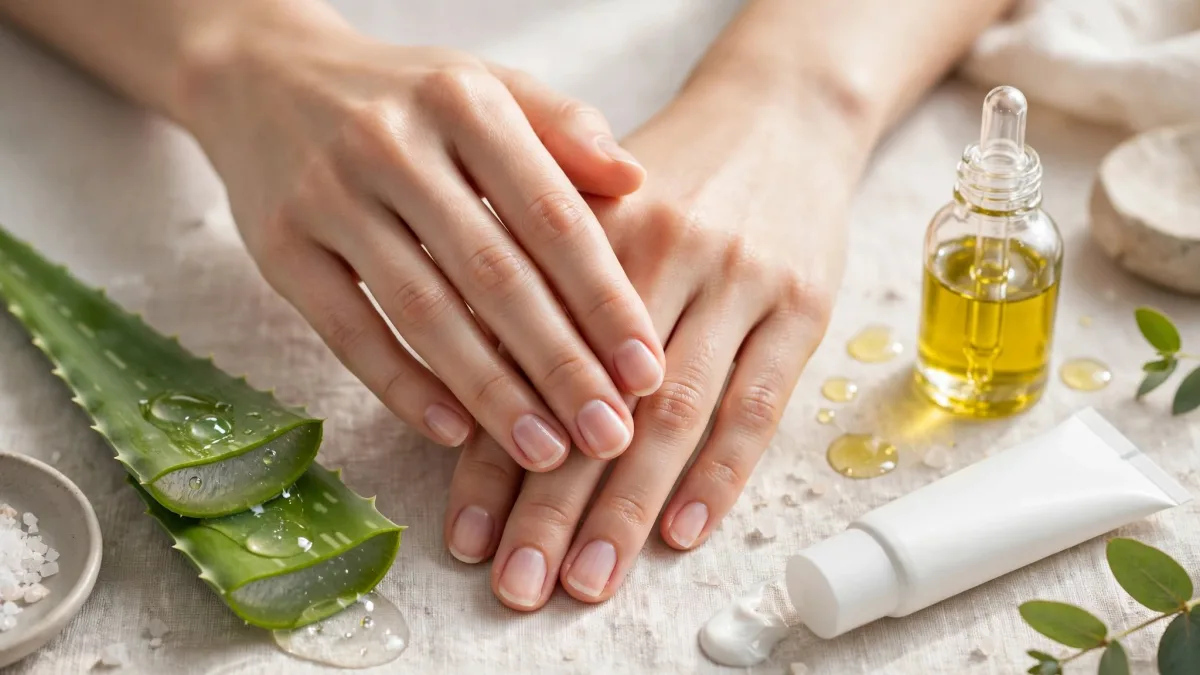
Your hands face constant UV exposure, washing, chemicals, and environmental stress. Learn evidence-based ways to prevent premature hand aging, including sunscreen, moisturization, retinoids, and protective habits.
Your sleep position can create repeated pressure and distortion on facial skin. Back sleeping may reduce this mechanical stress, but sun protection and evidence-based skincare remain more important for preventing premature skin aging.