What Is Skin Elasticity?
Skin elasticity refers to your skin's ability to stretch and bounce back to its original position. This natural flexibility is largely maintained by two essential proteins:
- Collagen – Provides structure and firmness.
- Elastin – Allows the skin to stretch and return to its original shape.
Together, these proteins help keep skin resilient, smooth, and youthful.
Why Does Skin Lose Elasticity?
Aging
As you age, collagen and elastin production naturally decreases, causing the skin to become thinner and less firm.
Sun Exposure
Ultraviolet (UV) rays can damage collagen fibers and accelerate premature skin aging.
Smoking
Smoking reduces blood circulation to the skin and contributes to the breakdown of collagen and elastin.
Poor Nutrition
A lack of essential nutrients can negatively affect skin health and collagen production.
Dehydration
Insufficient water intake may cause the skin to appear dry, dull, and less elastic.
Stress
Chronic stress can increase inflammation and contribute to signs of premature aging.
Signs of Reduced Skin Elasticity
Common signs of declining skin elasticity include:
- Sagging skin
- Fine lines and wrinkles
- Loose skin around the jawline
- Crepey skin texture
- Reduced firmness
- Less skin resilience
10 Ways to Improve Skin Elasticity Naturally
1. Eat More Vitamin C-Rich Foods
Vitamin C is essential for collagen production. Include oranges, strawberries, kiwi, bell peppers, and broccoli in your diet.
2. Stay Hydrated
Proper hydration supports healthy skin function and helps maintain a youthful appearance.
3. Increase Protein Intake
Protein provides the building blocks needed for collagen synthesis and skin repair.
4. Use Sunscreen Daily
Daily sun protection helps prevent collagen breakdown caused by UV exposure.
5. Get Quality Sleep
Sleep allows your body to repair skin cells and support natural collagen production.
6. Exercise Regularly
Physical activity improves blood circulation and delivers oxygen and nutrients to skin tissues.
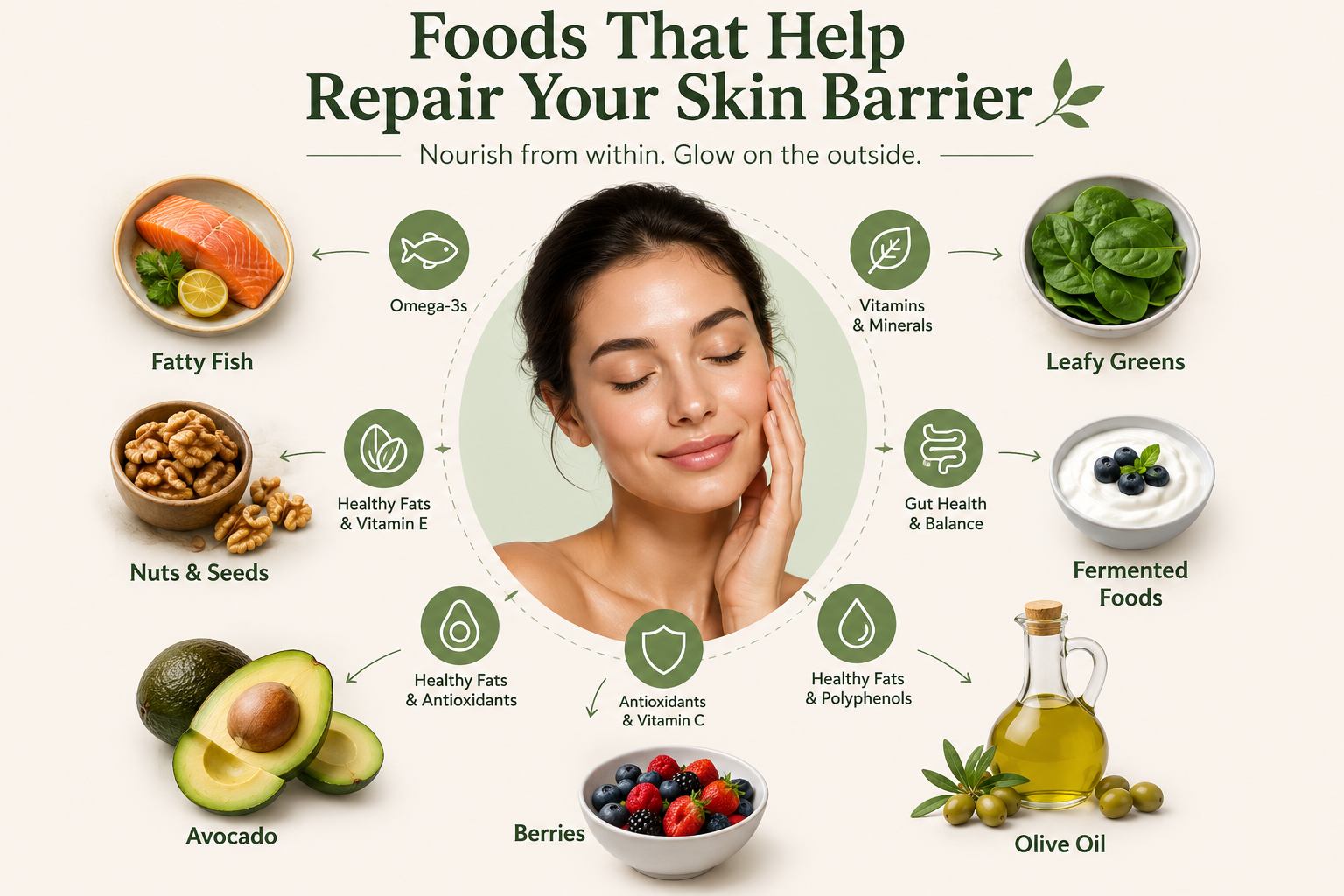
7. Consume Healthy Fats
Omega-3 fatty acids found in fish, walnuts, and flaxseeds can support skin hydration and elasticity.
8. Avoid Smoking
Quitting smoking can help preserve collagen levels and improve overall skin health.
9. Moisturize Consistently
Using a quality moisturizer helps maintain the skin barrier and reduces dryness.
10. Manage Stress
Practicing meditation, yoga, and relaxation techniques may help support healthier-looking skin.
Best Nutrients for Skin Elasticity
Several nutrients play an important role in maintaining firm and healthy skin:
- Vitamin C
- Vitamin E
- Zinc
- Selenium
- Omega-3 Fatty Acids
- Protein
- Antioxidants
A balanced diet rich in fruits, vegetables, lean proteins, and healthy fats can support collagen production and skin elasticity.
Can Collagen Supplements Help?
Collagen supplements have become increasingly popular for supporting skin health. Some research suggests they may help improve skin hydration and elasticity when combined with a healthy lifestyle.
Lifestyle Habits for Firmer Skin
- Wear sunscreen every day
- Stay hydrated
- Eat nutrient-rich foods
- Exercise regularly
- Get enough sleep
- Avoid smoking
- Limit excessive alcohol consumption
When to Consult a Dermatologist
If you notice significant skin sagging, rapid changes in skin texture, or signs of premature aging, consult a dermatologist for personalized guidance.
Conclusion
Skin elasticity plays a crucial role in maintaining healthy, youthful-looking skin. While aging is inevitable, healthy lifestyle habits, proper nutrition, sun protection, and consistent skincare can help preserve collagen and elastin levels naturally. By taking care of your skin today, you can support firmer, healthier skin in the future.
Disclaimer: This article is for informational purposes only and should not replace professional medical advice, diagnosis, or treatment.
```