Reviewed by the HyaluFlow Health Editorial Team | Published: October 18, 2026 | Last Updated: October 18, 2026
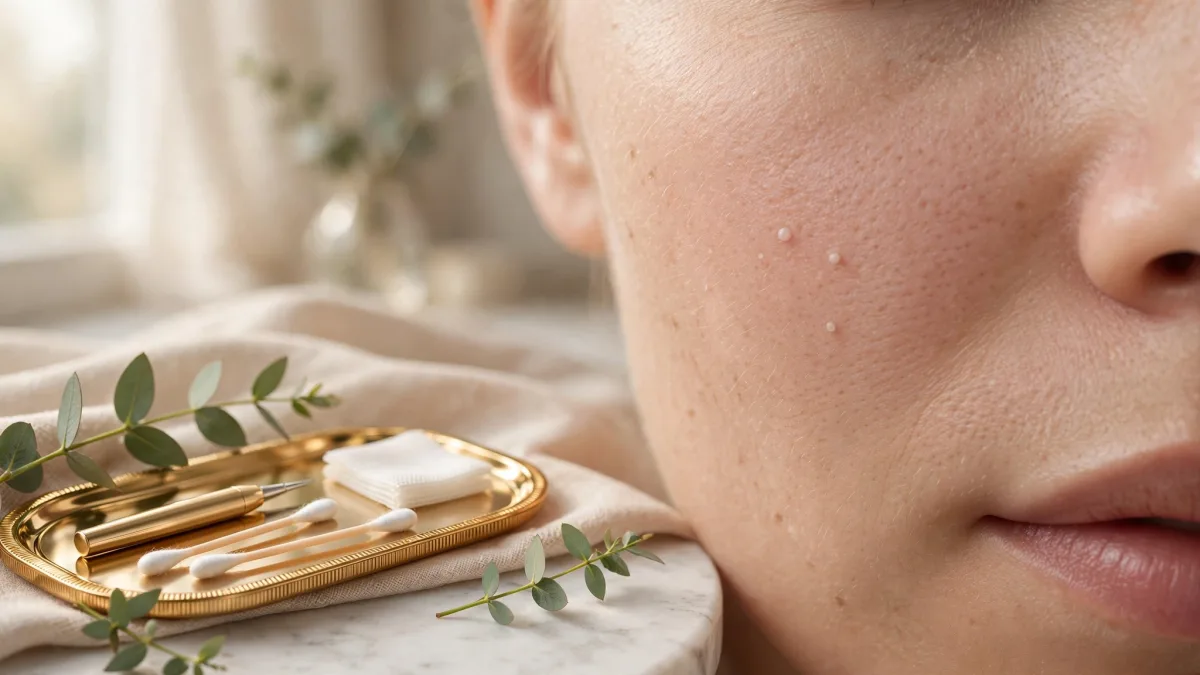
Quick Answer: Strawberry skin describes the dotted appearance of skin, usually on the legs, where enlarged or darkened pores resemble strawberry seeds. Common causes include clogged follicles, shaving irritation, ingrown hairs, and keratosis pilaris.
Treatment depends on the cause. Gentle exfoliation, regular moisturizing, and better shaving techniques may improve its appearance. However, painful, itchy, or pus-filled bumps may indicate folliculitis and require medical assessment. UPMC explains common causes of strawberry skin.
Key Takeaways
- Strawberry skin is a description, not a specific medical diagnosis.
- Shaving, clogged follicles, ingrown hairs, and keratosis pilaris can cause similar appearances.
- Gentle exfoliation and moisturizing may help.
- Avoid harsh scrubbing and aggressive hair removal.
- Pain, spreading redness, or pus warrants medical advice.
What Causes Strawberry Skin?
Several conditions can create the characteristic dotted appearance.
- Clogged pores: Oil, dead skin cells, and debris can accumulate around hair follicles.
- Shaving irritation: Dull razors, dry shaving, and repeated friction can irritate follicles.
- Ingrown hairs: Hair grows back into the skin, sometimes causing dark spots or inflamed bumps.
- Keratosis pilaris: Keratin builds up around hair follicles, producing small, rough bumps commonly found on the thighs and upper arms.
- Folliculitis: Inflamed or infected follicles can produce red, tender, itchy, or pus-filled bumps.
These conditions can look similar but may need different treatments. The American Academy of Dermatology explains the features of keratosis pilaris.
How to Treat Strawberry Skin
The most effective approach depends on what is causing the spots. Start with gentle skin care rather than trying several strong products at once.
Use gentle chemical exfoliation
Products containing salicylic acid, lactic acid, or glycolic acid may help loosen dead skin cells and reduce clogged follicles. Start with one product at a low frequency and follow its directions to limit irritation.
Exfoliating acids are not suitable for every cause of strawberry skin. Avoid applying them to broken, freshly shaved, or inflamed skin.
Moisturize consistently
Dry skin can make rough bumps more noticeable. Use a fragrance-free moisturizer after bathing, while your skin is still slightly damp. Creams containing urea or lactic acid may help soften rough bumps associated with keratosis pilaris.
The AAD's keratosis pilaris treatment guidance recommends moisturizers and selected exfoliating ingredients to improve texture.
Improve your shaving routine
Wet your skin with warm water, apply shaving gel, and shave gently in the direction of hair growth. Use a clean, sharp razor and avoid repeatedly passing over the same area.
Moisturize afterward and give irritated skin time to recover before shaving again. If shaving repeatedly causes ingrown hairs, consider discussing alternative hair-removal methods with a dermatologist.
How to Prevent Strawberry Skin
Consistent habits may help reduce irritation and clogged follicles:
- Use a gentle cleanser and avoid harsh scrubs.
- Moisturize daily, especially after showering.
- Avoid dry shaving and dull razor blades.
- Wear breathable clothing if friction worsens bumps.
- Do not pick, squeeze, or dig out ingrown hairs.
- Use sunscreen on exposed skin to help prevent lingering dark marks.
If exfoliating products cause burning, redness, or excessive dryness, stop using them until your skin settles. More exfoliation does not necessarily mean smoother skin.
When Should You See a Dermatologist?
Seek medical advice if the bumps persist despite gentle care, repeatedly return, or are difficult to distinguish from another skin condition.
Arrange an assessment promptly if you notice increasing pain, warmth, spreading redness, or pus. These symptoms may indicate infection rather than ordinary clogged pores or keratosis pilaris.
The Bottom Line
Strawberry skin can result from several different causes, including clogged follicles, shaving irritation, ingrown hairs, and keratosis pilaris. Gentle exfoliation, daily moisturizing, and careful shaving may improve its appearance, but the right treatment depends on the underlying problem.
Avoid aggressive scrubbing and picking. If your skin is painful, inflamed, or not improving, consult a dermatologist for an accurate diagnosis and suitable treatment.