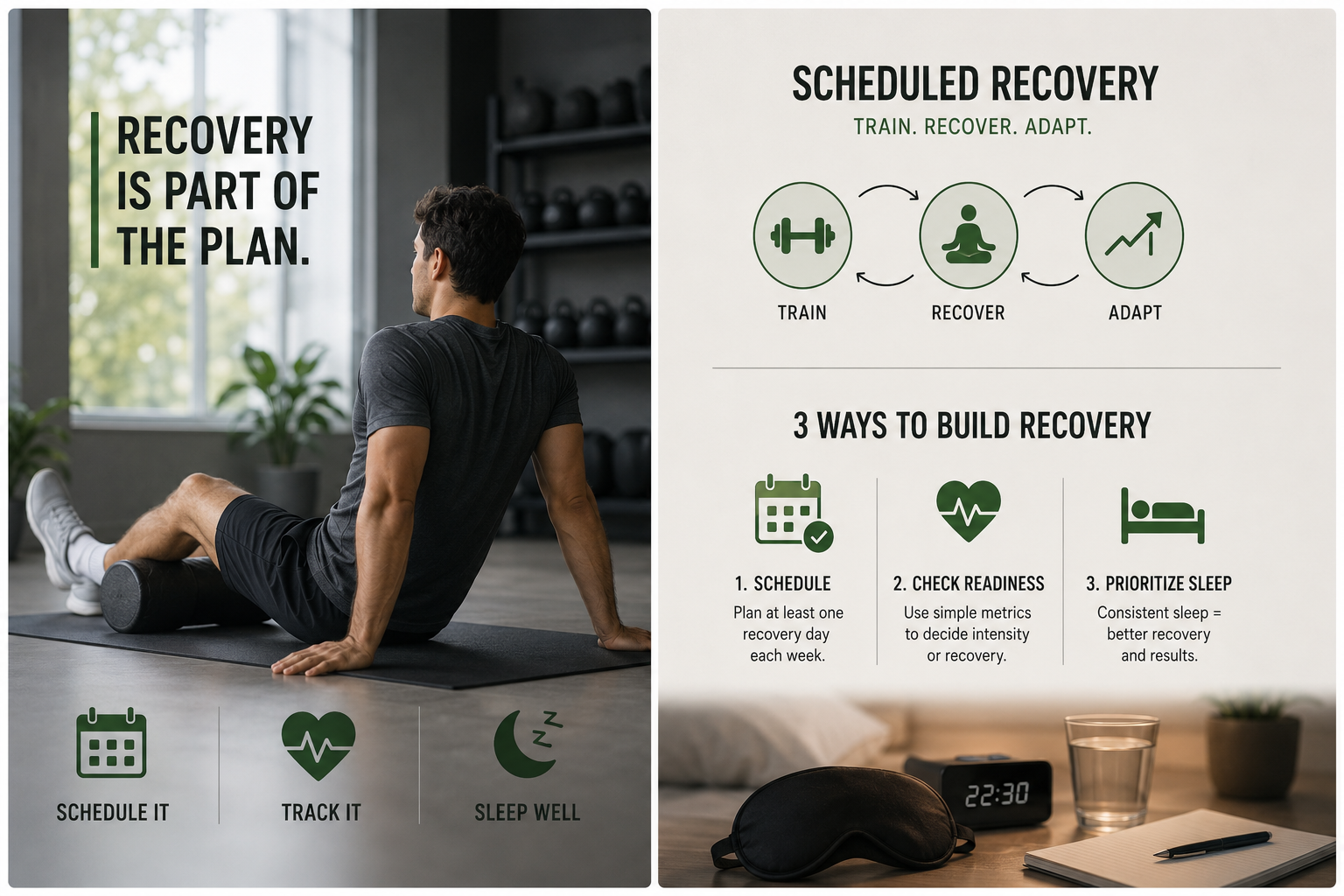
For years, recovery meant simply not training. In 2026, that's changing — recovery is increasingly treated as its own scheduled practice, with dedicated time blocks, tools, and even gym membership tiers built around it. The shift isn't just trendy; it reflects a real gap in how most people approach fitness.
Why Recovery Got Deprioritized
Training adaptations — getting stronger, faster, more resilient — don't actually happen during the workout itself. They happen afterward, as your body repairs the stress placed on muscles, tendons, and your nervous system. Skipping structured recovery doesn't just risk injury; it can blunt the very results the training was meant to produce.
Despite this, most fitness culture has historically treated rest as the absence of effort rather than an active part of the process, leading many people to skip it entirely once a workout ends.
What "Scheduled Recovery" Actually Looks Like
Rather than treating rest as unstructured downtime, scheduled recovery treats it as a specific practice: a set time block for foam rolling, mobility work, or lower-intensity movement, treated with the same consistency as a training session. Wearable data has accelerated this shift — many people now track metrics like heart rate variability (HRV) and sleep quality, which give a concrete signal for when the body needs more recovery time rather than relying on guesswork.
Why This Matters Beyond Athletes
Recovery-focused programming isn't just for competitive athletes. For anyone increasing training frequency or intensity, unmanaged fatigue accumulates over time and eventually shows up as decreased performance, mood changes, or increased injury risk — a state often referred to as overtraining.
3 Ways to Build Recovery Into Your Routine
- Schedule at least one dedicated recovery day per week. Block it on your calendar the same way you'd schedule a workout, rather than leaving it to chance.
- Use a simple readiness check before hard sessions. Resting heart rate, sleep quality, or general energy level can indicate whether your body is ready for high intensity or needs a lighter session instead.
- Treat sleep as part of your training plan, not separate from it. Since most physical adaptation happens during sleep, prioritizing consistent sleep timing is one of the highest-leverage recovery tools available, with or without a tracker.
Bottom Line
Recovery isn't the opposite of training — it's the part of training where the actual adaptation happens. Scheduling it deliberately, rather than treating it as whatever's left over, is what turns consistent effort into consistent progress.