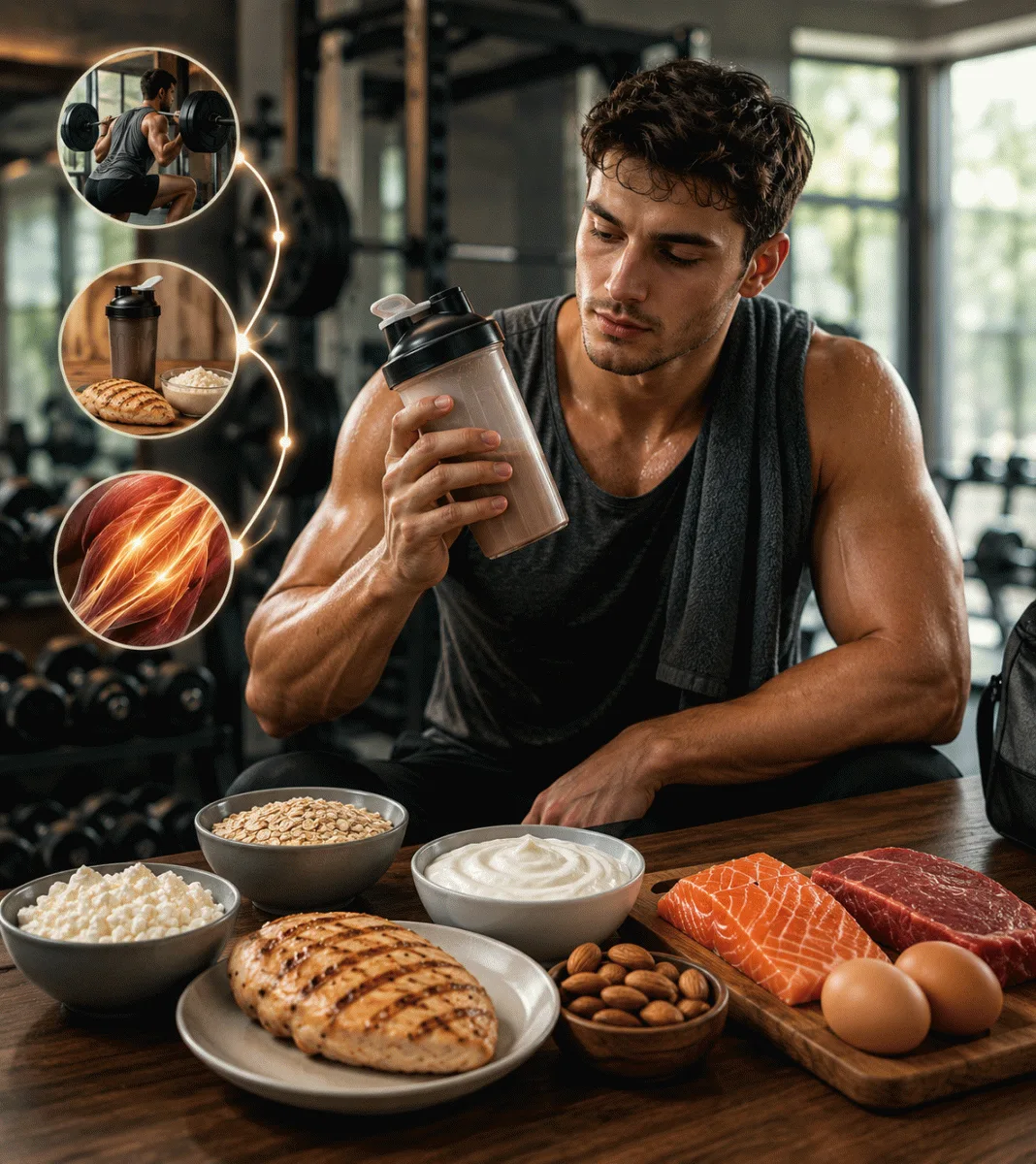
Protein Timing for Muscle Growth: Does It Really Matter?
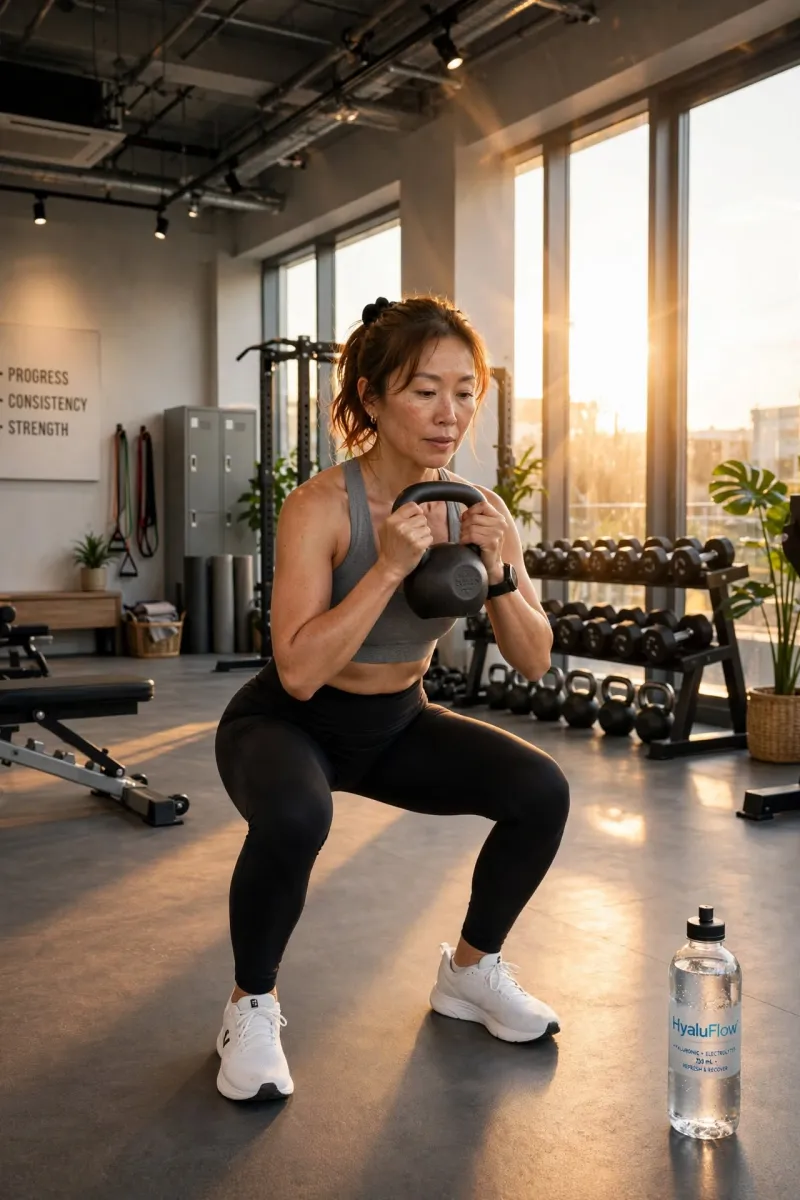
Learn whether protein timing truly affects muscle growth, what the latest research says about the anabolic window, and how to optimize protein intake for better strength and recovery.
Browsing targeted aesthetic topics
Learn whether protein timing truly affects muscle growth, what the latest research says about the anabolic window, and how to optimize protein intake for better strength and recovery.
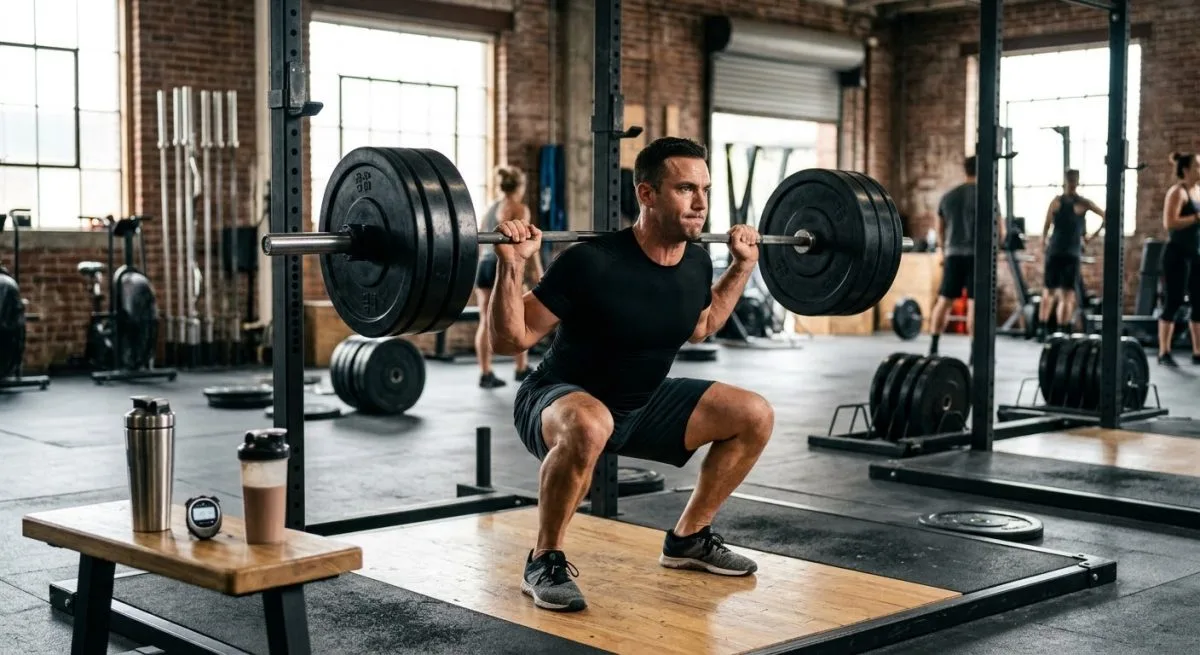
A 30-year Harvard study reveals the strength training sweet spot: 90–120 minutes of weekly resistance training may reduce the risk of early death, heart disease, and neurological decline while supporting healthy aging.
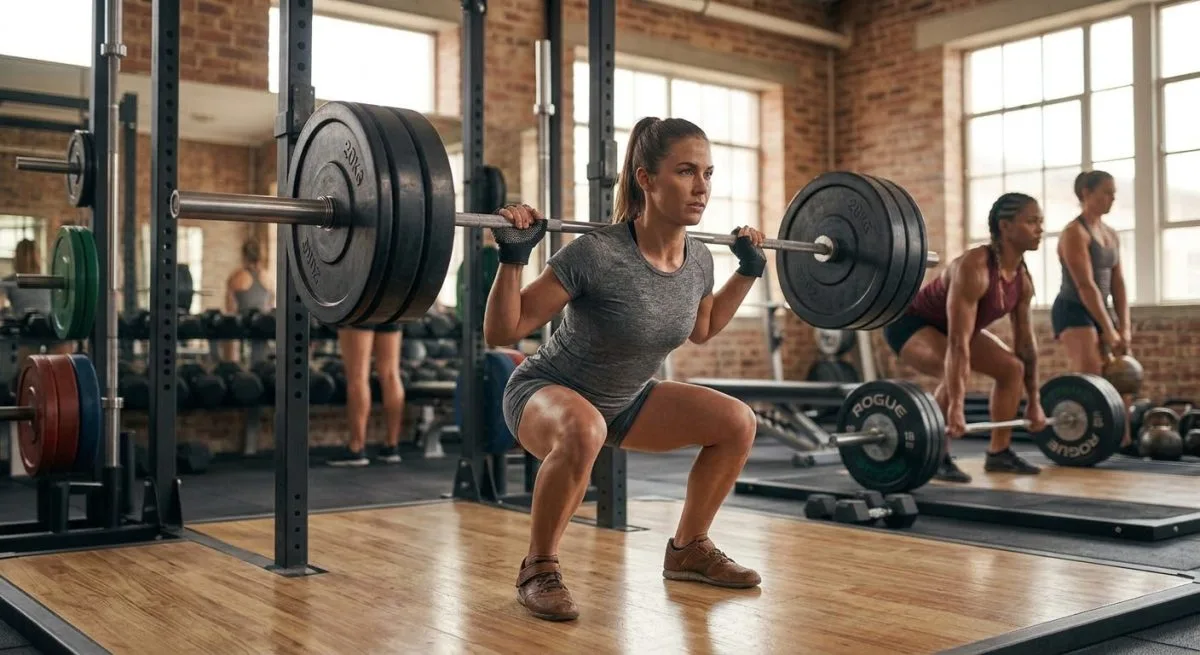
A major 2026 study involving more than 117,000 women found that performing at least two hours of strength training each week was associated with a 44% lower risk of heart attack and a 20% lower risk of major cardiovascular disease. While the research does not prove cause and effect, it adds to growing evidence that resistance training—especially when combined with aerobic exercise—can play an important role in protecting women’s heart health.
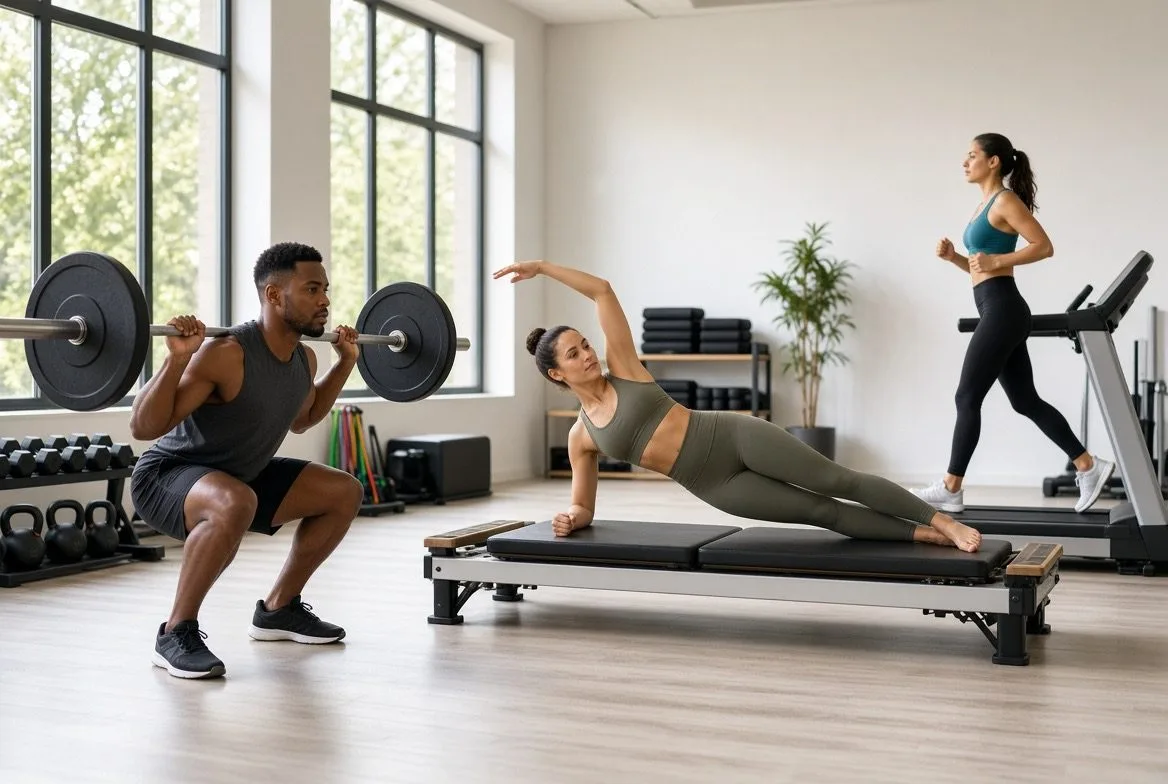
Combining Pilates, resistance training, and aerobic activity can create a balanced fitness routine that supports strength, mobility, cardiovascular health, and body composition. Learn how to structure a sustainable weekly workout without relying on exaggerated “metabolic” claims.
Strength training does not automatically make women bulky. Resistance exercise can improve strength, support lean muscle, help reduce body fat, and improve bone health, while the amount of muscle gained depends on training, nutrition, genetics, and individual goals.
Intermittent fasting does not automatically reduce strength or muscle gains, but training performance can depend on fasting duration, workout intensity, carbohydrate availability, hydration, and total protein intake. Here’s what current human research shows about fasted resistance training.