Does Hyaluronic Acid Really Hydrate Skin?
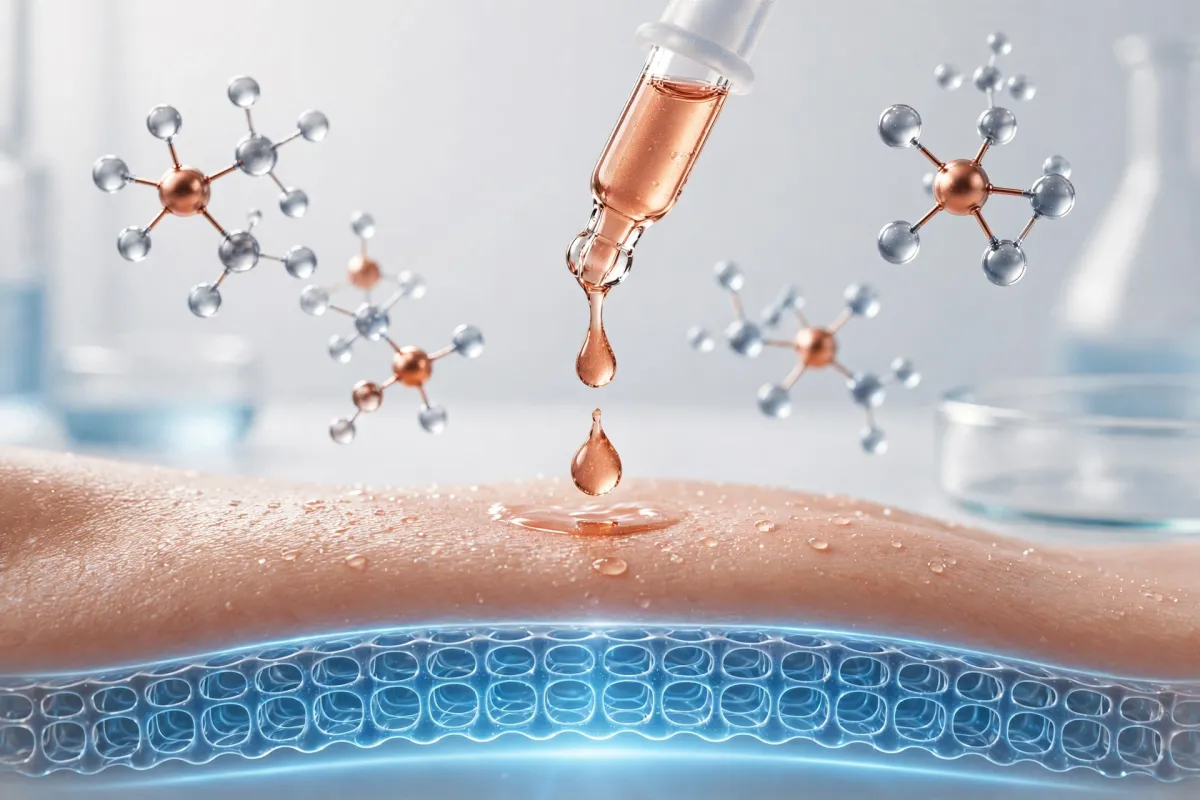
Hyaluronic acid can improve skin hydration, but it does not create water. Learn how molecular weight, formulation, application, and moisturizers affect how well hyaluronic acid hydrates your skin.
Browsing targeted aesthetic topics
Hyaluronic acid can improve skin hydration, but it does not create water. Learn how molecular weight, formulation, application, and moisturizers affect how well hyaluronic acid hydrates your skin.
Discover 21 evidence-based beauty habits that support healthier skin and graceful aging. From daily sunscreen and gentle skincare to sleep, nutrition, exercise, and stress management, consistency matters more than expensive routines.
Dehydrated mature skin lacks water and can make fine lines, dullness, tightness, and rough texture more noticeable. Learn how to recognize dehydration, protect the skin barrier, and choose evidence-based hydration strategies.
Learn how to repair a damaged skin barrier with gentle cleansing, moisturizers, ceramides, hydration, and sun protection while avoiding common skincare mistakes that can prolong irritation.
Glass skin describes a smooth, hydrated, luminous complexion rather than a medical skin type. The most evidence-based approach combines gentle cleansing, moisturization, targeted skincare, and consistent sun protection.
Copper peptides such as GHK-Cu are widely marketed for skin repair, firmness, and visible aging. Research supports interesting biological mechanisms, but clinical evidence is still limited, making a simple barrier-first routine more reliable.